- Products
- Air Compressors & Air Tools
- Climate Control
- Compaction Equipment
- Concrete Cutting Tools & Equipment
- Concrete and Masonry
- Demolition & Excavation
- Electrical & Mechanical
- Fasteners and Anchoring Adhesives
- Floor Protection
- Generators and Welders
- Hand Tools
- Heaters
- Janitorial and Office Supplies
- Jobsite Protection
- Ladders & Storage
- Lighting & Lighting Accessories
- Man Lifts
- Material Handling Equipment
- Power Tools
- Pressure Washers & Pumps
- Safety Gear
- Safety Products
- Saws
- Surface Preparation
- SEASONAL PRODUCTS
- Rentals
- Air Compressor and Air Tool Rentals
- Climate Control Rental
- Compaction Rentals
- Concrete Equipment Rentals
- Demolition & Excavation Equipment Rentals
- Concrete Floor Grinder Rentals
- General Construction Equipment Rentals
- Generator Rentals and Welder Rentals
- Heater Rentals
- Light Tower Rentals
- Man Lift Rentals in Massachusetts and Rhode Island
- Material Handling Equipment Rentals
- Pressure Washer & Pump Rentals
- Saw Rentals in New England
- SEASONAL PRODUCTS
- Products
- Air Compressors & Air Tools
- Climate Control
- Compaction Equipment
- Concrete Cutting Tools & Equipment
- Demolition & Excavation
- Electrical & Mechanical
- Floor Protection
- Generators and Welders
- Construction Heaters
- Construction Ladders, Staging, & Storage
- Construction Lighting
- Man Lifts
- Material Handling Equipment
- Industrial Janitorial and Office Supplies
- Pressure Washers & Pumps
- Construction Safety Products
- Construction Safety Gear
- Surface Preparation
- Building Protection
- Diesel Accessories
- Zero Emissions
- Rentals
- Air Compressor and Air Tool Rentals
- Climate Control Rental
- Compaction Rentals
- Concrete Equipment Rental
- Demolition & Excavation Equipment Rental
- General Construction Equipment Rental
- Generator Rentals and Welder Rentals
- Construction Heaters Rental
- Light Tower Rentals
- Man Lift Rentals
- Material Handling Equipment Rental
- Pressure Washer & Pump Rentals
- Saw Rentals in New England
- Concrete Floor Grinder Rentals
- Zero Emissions Rentals
- Repairs & Used
- Parts
- Blog
- Services
- Resources
- About Us
- Contact Us
Sales & Rental of Construction | Industrial Equipment & Supplies


7 Tips for US Sensitive Goods DDP Customs Clearance
US Sensitive Goods DDP Customs Clearance demands more than fast delivery. It requires disciplined preparation, accurate declarations, and clear responsibility. Sensitive products may include cosmetics, supplements, medical devices, batteries, electronics, or temperature-controlled items. Each category can trigger different documentation and agency requirements.
Lenny Feldman, a respected U.S. customs and trade compliance attorney, emphasizes a practical principle: “Classification and documentation are the foundation of compliant importing.” That foundation begins before pickup. Confirm the correct HS code, product description, country of origin, customs value, and applicable permits. Check whether FDA, FCC, DOT, or other agency rules apply. A vague invoice can create delays at a busy port, even when the goods appear harmless.
DDP also requires careful attention to the importer of record, duties, taxes, brokerage authority, and delivery terms. The seller may arrange clearance, but legal responsibilities still need clear allocation. Keep supplier records, test reports, safety data, and commercial invoices organized. Digital copies help, but they do not fix inaccurate information.
No checklist is perfect. Small errors spread. A missing ingredient statement or incorrect battery description may trigger questions, storage charges, or a request for inspection. This guide presents seven practical tips for improving US Sensitive Goods DDP Customs Clearance. It focuses on lawful, properly documented products and realistic operational controls. Some shipments will still require judgment. That is where experienced brokers, compliance teams, and documented review procedures become valuable.
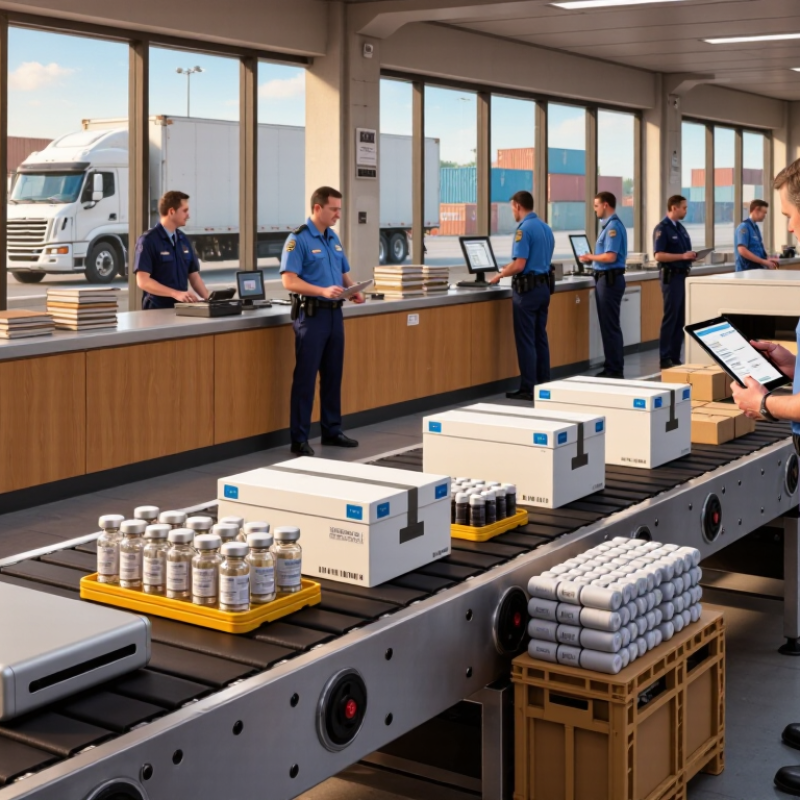
Table of Contents [Hide]
Classify the Sensitive Goods and Confirm Their Import Eligibility
For US sensitive-goods DDP clearance, accurate classification is the first practical checkpoint. Products such as lithium-battery equipment, cosmetics, supplements, and medical devices may require different reviews. Do not classify by appearance alone. Check the product’s materials, function, packaging, and intended use. A detailed commercial invoice and clear product description help customs officers understand the shipment.
Tip: Compare the product with the current US tariff schedule. Confirm the correct HS code, duty rate, and possible agency requirements before shipping. A safety data sheet may support the review, but it does not replace a valid classification. For regulated goods, verify whether additional documents, registrations, testing records, or labeling rules apply. Eligibility can vary by product composition and use.
Tip: Ask the importer of record to confirm acceptance before dispatch. Under DDP terms, the seller usually carries significant responsibility for import costs and clearance coordination. However, customs decisions cannot be guaranteed by a logistics provider. I have seen shipments delayed because a harmless-looking liquid lacked a complete ingredient list. That mistake was avoidable. Keep product photos, technical specifications, certificates, and supplier declarations together. If the classification remains uncertain, request professional customs advice or a formal ruling. A small documentation gap can become a warehouse charge, a return, or a longer inspection.

© Copyright - Pro Tool & Supply - Site by SVM E-Marketing Solutions - Sitemap
- Privacy policy