- Products
- Air Compressors & Air Tools
- Climate Control
- Compaction Equipment
- Concrete Cutting Tools & Equipment
- Concrete and Masonry
- Demolition & Excavation
- Electrical & Mechanical
- Fasteners and Anchoring Adhesives
- Floor Protection
- Generators and Welders
- Hand Tools
- Heaters
- Janitorial and Office Supplies
- Jobsite Protection
- Ladders & Storage
- Lighting & Lighting Accessories
- Man Lifts
- Material Handling Equipment
- Power Tools
- Pressure Washers & Pumps
- Safety Gear
- Safety Products
- Saws
- Surface Preparation
- SEASONAL PRODUCTS
- Rentals
- Air Compressor and Air Tool Rentals
- Climate Control Rental
- Compaction Rentals
- Concrete Equipment Rentals
- Demolition & Excavation Equipment Rentals
- Concrete Floor Grinder Rentals
- General Construction Equipment Rentals
- Generator Rentals and Welder Rentals
- Heater Rentals
- Light Tower Rentals
- Man Lift Rentals in Massachusetts and Rhode Island
- Material Handling Equipment Rentals
- Pressure Washer & Pump Rentals
- Saw Rentals in New England
- SEASONAL PRODUCTS
- Products
- Air Compressors & Air Tools
- Climate Control
- Compaction Equipment
- Concrete Cutting Tools & Equipment
- Demolition & Excavation
- Electrical & Mechanical
- Floor Protection
- Generators and Welders
- Construction Heaters
- Construction Ladders, Staging, & Storage
- Construction Lighting
- Man Lifts
- Material Handling Equipment
- Industrial Janitorial and Office Supplies
- Pressure Washers & Pumps
- Construction Safety Products
- Construction Safety Gear
- Surface Preparation
- Building Protection
- Diesel Accessories
- Zero Emissions
- Rentals
- Air Compressor and Air Tool Rentals
- Climate Control Rental
- Compaction Rentals
- Concrete Equipment Rental
- Demolition & Excavation Equipment Rental
- General Construction Equipment Rental
- Generator Rentals and Welder Rentals
- Construction Heaters Rental
- Light Tower Rentals
- Man Lift Rentals
- Material Handling Equipment Rental
- Pressure Washer & Pump Rentals
- Saw Rentals in New England
- Concrete Floor Grinder Rentals
- Zero Emissions Rentals
- Repairs & Used
- Parts
- Blog
- Services
- Resources
- About Us
- Contact Us
Sales & Rental of Construction | Industrial Equipment & Supplies


What Is an Automatic Transfer Switch?
An Automatic Transfer Switch (ATS) monitors electrical power and changes a load’s connection between a primary source and an alternate source. In many buildings, the primary source is utility power, while the alternate source is a standby generator. If utility power fails or falls outside configured limits, the switch can signal the generator to start and transfer the load once backup power is available. When utility power returns and stabilizes, the ATS can transfer the load back. The generator produces electricity; the ATS manages the changeover. That distinction matters.
Inside the equipment, sensors, control logic, and switching components work together, though their exact arrangement varies by model. Some systems briefly disconnect the load during transfer; others use designs intended to maintain continuity. For a homeowner, facility manager, or technician, the right choice depends on the equipment being protected, the expected load, and the backup source. A switch that is poorly matched or maintained may not perform as expected. Small details count. This guide explains how an ATS works, where it is used, and what to consider when selecting one. It also looks at testing and maintenance, since an installed switch is not automatically a dependable one. Specifications and installation requirements differ, so check the manufacturer’s documentation and consult a qualified electrical professional for system-specific decisions. Power changes can happen quickly. Understanding the switch makes those moments less mysterious, even if the setup still deserves careful review.
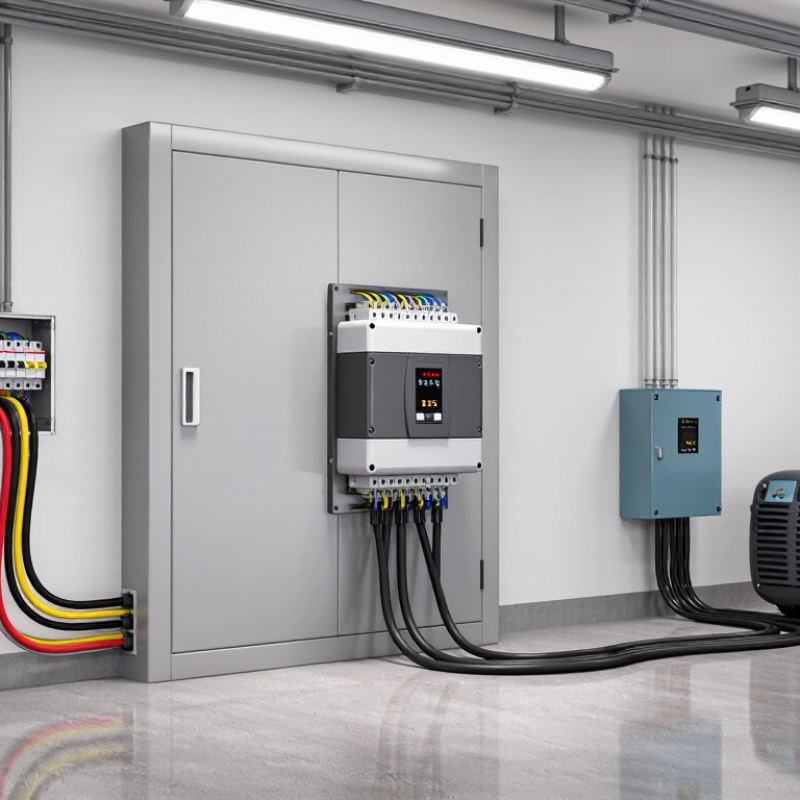
Table of Contents [Hide]
Core Definition and Purpose of an Automatic Transfer Switch
An automatic transfer switch (ATS) is electrical equipment that moves a load between two power sources. It monitors the normal supply and detects conditions such as a voltage loss or unacceptable voltage. When a backup source becomes available, the switch connects the load to it. When normal power returns, the ATS can transfer the load back. It does not generate electricity. A generator, battery system, or other source must provide the backup. In a facility, the switch may sit between the utility supply, a standby generator, and selected circuits such as emergency lighting or server equipment.
Timing matters. So does the load. An ATS must be selected for the system’s electrical ratings and the equipment it serves; installation and testing should follow applicable standards and qualified engineering guidance. Uptime Institute’s 2024 Annual Outage Analysis reported that 54% of surveyed organizations said their most recent significant outage cost more than $100,000. That figure covers varied outage causes, not ATS performance, but it shows why continuity planning deserves care. Automatic does not mean instantaneous. A generator may need time to start and stabilize, and a poorly matched switch can undermine the intended backup plan. The practical question is not only whether power transfers, but which circuits stay energized—and for how long.

© Copyright - Pro Tool & Supply - Site by SVM E-Marketing Solutions - Sitemap
- Privacy policy