- Products
- Air Compressors & Air Tools
- Climate Control
- Compaction Equipment
- Concrete Cutting Tools & Equipment
- Concrete and Masonry
- Demolition & Excavation
- Electrical & Mechanical
- Fasteners and Anchoring Adhesives
- Floor Protection
- Generators and Welders
- Hand Tools
- Heaters
- Janitorial and Office Supplies
- Jobsite Protection
- Ladders & Storage
- Lighting & Lighting Accessories
- Man Lifts
- Material Handling Equipment
- Power Tools
- Pressure Washers & Pumps
- Safety Gear
- Safety Products
- Saws
- Surface Preparation
- SEASONAL PRODUCTS
- Rentals
- Air Compressor and Air Tool Rentals
- Climate Control Rental
- Compaction Rentals
- Concrete Equipment Rentals
- Demolition & Excavation Equipment Rentals
- Concrete Floor Grinder Rentals
- General Construction Equipment Rentals
- Generator Rentals and Welder Rentals
- Heater Rentals
- Light Tower Rentals
- Man Lift Rentals in Massachusetts and Rhode Island
- Material Handling Equipment Rentals
- Pressure Washer & Pump Rentals
- Saw Rentals in New England
- SEASONAL PRODUCTS
- Products
- Air Compressors & Air Tools
- Climate Control
- Compaction Equipment
- Concrete Cutting Tools & Equipment
- Demolition & Excavation
- Electrical & Mechanical
- Floor Protection
- Generators and Welders
- Construction Heaters
- Construction Ladders, Staging, & Storage
- Construction Lighting
- Man Lifts
- Material Handling Equipment
- Industrial Janitorial and Office Supplies
- Pressure Washers & Pumps
- Construction Safety Products
- Construction Safety Gear
- Surface Preparation
- Building Protection
- Diesel Accessories
- Zero Emissions
- Rentals
- Air Compressor and Air Tool Rentals
- Climate Control Rental
- Compaction Rentals
- Concrete Equipment Rental
- Demolition & Excavation Equipment Rental
- General Construction Equipment Rental
- Generator Rentals and Welder Rentals
- Construction Heaters Rental
- Light Tower Rentals
- Man Lift Rentals
- Material Handling Equipment Rental
- Pressure Washer & Pump Rentals
- Saw Rentals in New England
- Concrete Floor Grinder Rentals
- Zero Emissions Rentals
- Repairs & Used
- Parts
- Blog
- Services
- Resources
- About Us
- Contact Us
Sales & Rental of Construction | Industrial Equipment & Supplies


What Are EVBox Charging Stations?
Evbox Charging Stations are electric vehicle charging systems designed for homes, workplaces, and public locations. They connect a vehicle to a power source and manage the flow of electricity during charging. Depending on the model and installation, a station may include a cable, a connector socket, status lights, and network features. A driver might see a light change from idle to charging while a car sits in a parking bay. Simple, but useful.
The name alone does not tell you how quickly a vehicle will charge. Power output, connector type, vehicle limits, and the electrical supply all affect the result. A charger’s network connection may also support access controls, usage records, or remote monitoring, where those features are available. Details vary by product and location. Check the specific model and its installation information before comparing stations. This is easy to overlook.
For property owners, the practical questions are often ordinary ones: where the cable reaches, who can use the charger, and how installation affects daily parking. For drivers, clear instructions and visible status indicators can make a stop less uncertain. Still, no charging station solves every problem. Availability, compatibility, and charging time depend on the vehicle and site. A careful comparison should consider those limits, not just the brand name. Some details remain easy to miss. That is worth remembering.
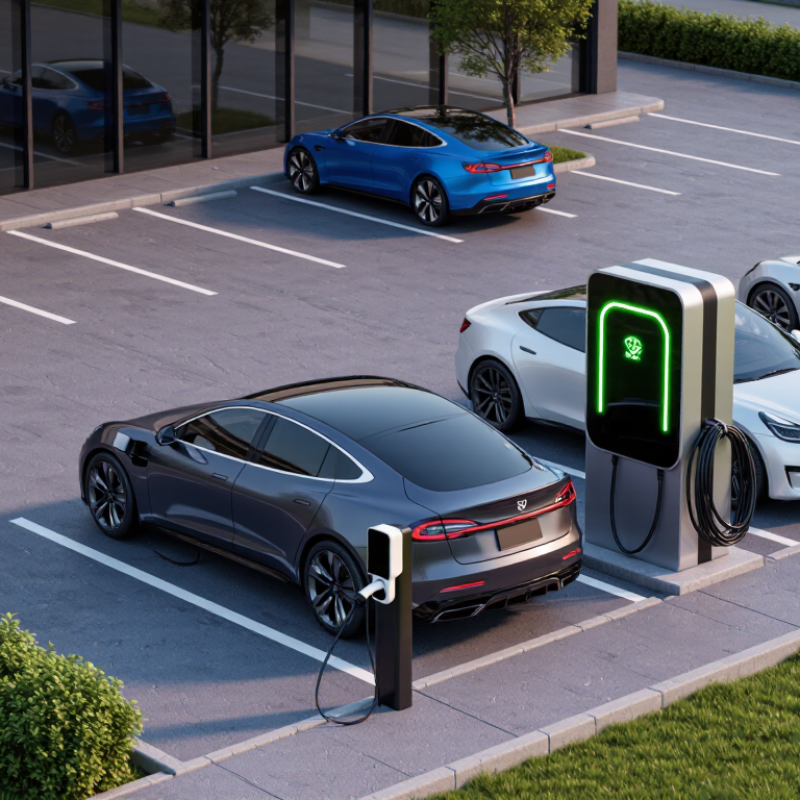
Table of Contents [Hide]
What EVBox Charging Stations Are and How They Fit Into EV Charging
An EV charging station supplies electricity to a vehicle through a charging cable and connector. Some units provide AC power, which the vehicle converts internally. Others provide DC power directly to the battery, usually allowing faster charging. The exact speed depends on the station, the vehicle, and battery conditions. A fast charger cannot make every car charge at the same rate. That distinction matters.
Stations fit into a wider charging routine. A home unit can support overnight charging, while workplace and public chargers help drivers recharge away from home. Networked stations may show availability, record energy use, and process payments through an app or card reader. They are one part of the system, not a replacement for a suitable electrical connection or clear site planning. Cable reach, weather exposure, and accessibility deserve attention too. These details are easy to overlook.
Tips: Check your vehicle’s connector and maximum charging rate before choosing a station. Compare the displayed power with what your car can accept. At a public charger, inspect the cable and follow the screen prompts. If a session starts slowly, temperature or battery level may be the reason. Charging can feel less predictable than expected. That is worth remembering.

© Copyright - Pro Tool & Supply - Site by SVM E-Marketing Solutions - Sitemap
- Privacy policy