- Products
- Air Compressors & Air Tools
- Climate Control
- Compaction Equipment
- Concrete Cutting Tools & Equipment
- Concrete and Masonry
- Demolition & Excavation
- Electrical & Mechanical
- Fasteners and Anchoring Adhesives
- Floor Protection
- Generators and Welders
- Hand Tools
- Heaters
- Janitorial and Office Supplies
- Jobsite Protection
- Ladders & Storage
- Lighting & Lighting Accessories
- Man Lifts
- Material Handling Equipment
- Power Tools
- Pressure Washers & Pumps
- Safety Gear
- Safety Products
- Saws
- Surface Preparation
- SEASONAL PRODUCTS
- Rentals
- Air Compressor and Air Tool Rentals
- Climate Control Rental
- Compaction Rentals
- Concrete Equipment Rentals
- Demolition & Excavation Equipment Rentals
- Concrete Floor Grinder Rentals
- General Construction Equipment Rentals
- Generator Rentals and Welder Rentals
- Heater Rentals
- Light Tower Rentals
- Man Lift Rentals in Massachusetts and Rhode Island
- Material Handling Equipment Rentals
- Pressure Washer & Pump Rentals
- Saw Rentals in New England
- SEASONAL PRODUCTS
- Products
- Air Compressors & Air Tools
- Climate Control
- Compaction Equipment
- Concrete Cutting Tools & Equipment
- Demolition & Excavation
- Electrical & Mechanical
- Floor Protection
- Generators and Welders
- Construction Heaters
- Construction Ladders, Staging, & Storage
- Construction Lighting
- Man Lifts
- Material Handling Equipment
- Industrial Janitorial and Office Supplies
- Pressure Washers & Pumps
- Construction Safety Products
- Construction Safety Gear
- Surface Preparation
- Building Protection
- Diesel Accessories
- Zero Emissions
- Rentals
- Air Compressor and Air Tool Rentals
- Climate Control Rental
- Compaction Rentals
- Concrete Equipment Rental
- Demolition & Excavation Equipment Rental
- General Construction Equipment Rental
- Generator Rentals and Welder Rentals
- Construction Heaters Rental
- Light Tower Rentals
- Man Lift Rentals
- Material Handling Equipment Rental
- Pressure Washer & Pump Rentals
- Saw Rentals in New England
- Concrete Floor Grinder Rentals
- Zero Emissions Rentals
- Repairs & Used
- Parts
- Blog
- Services
- Resources
- About Us
- Contact Us
Sales & Rental of Construction | Industrial Equipment & Supplies


What Are TPS Sensors and How Do They Work?
Tps Sensors are small but essential components in modern engine management systems. They monitor the throttle plate’s position and report its movement to the engine control unit. This signal helps regulate fuel delivery, ignition timing, idle control, and sometimes automatic transmission behavior. When you press the accelerator, the sensor helps the vehicle understand how quickly and how far the throttle is opening.
Most Tps Sensors use either a resistive track with a moving contact or a contactless Hall-effect design. A typical sensor sends a changing voltage, often from roughly 0.5 volts at closed throttle to about 4.5 volts when fully open. The exact range varies by vehicle. A scan tool can display this movement in real time, while a multimeter may reveal dead spots or unstable readings. Small details matter, including connector corrosion, damaged wiring, and incorrect sensor alignment.
A faulty sensor may cause hesitation, rough idling, poor shifting, or an illuminated check-engine light. These signs are useful, but they are not conclusive. Another component may create similar symptoms. That is where careful testing becomes important. Follow the manufacturer’s service information, compare live data with measured voltage, and avoid replacing parts based only on guesswork. A simple test can mislead. Real diagnosis requires context, repeatable measurements, and attention to how the vehicle behaves on the road. Understanding how Tps Sensors work makes troubleshooting more logical, safer, and less expensive.
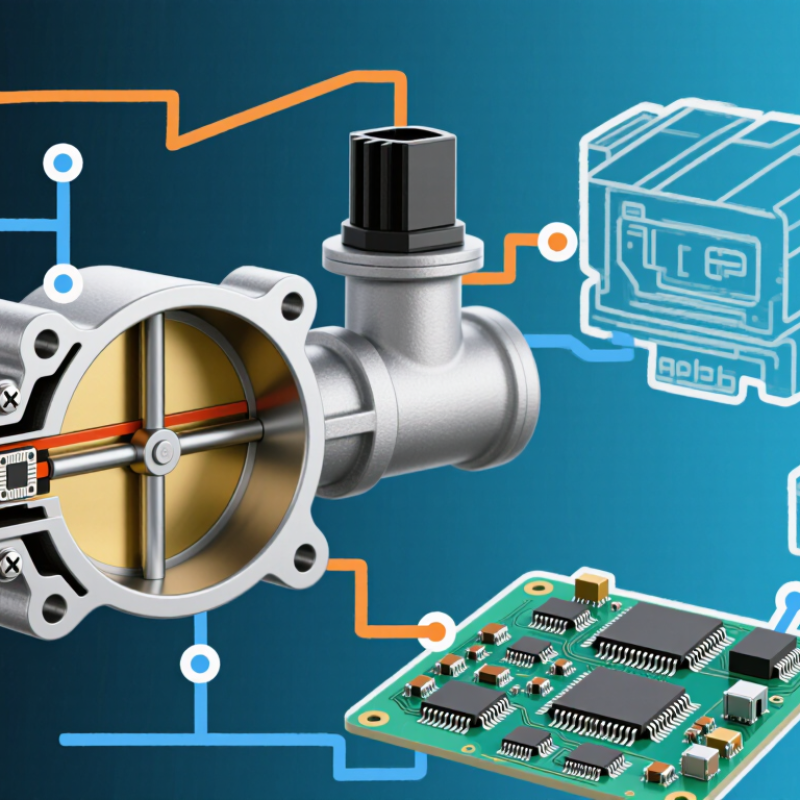
Table of Contents [Hide]
TPS Sensor Definition: Measuring Throttle Angle with a Typical 0.5–4.5 V Signal
A throttle position sensor (TPS) reports throttle plate angle as an electrical signal to the engine control unit. In many systems, a potentiometer or Hall-effect sensor produces a changing voltage as the plate moves. A typical signal may sit near 0.5 V at closed throttle and approach 4.5 V when fully open. With the ignition on, a technician can monitor the voltage while moving the throttle slowly. The exact readings depend on sensor design and vehicle calibration. Small changes matter.
A smooth voltage sweep suggests the sensor is tracking movement consistently. A digital multimeter can show the changing signal; an oscilloscope may reveal brief dropouts that a meter misses. A sudden dip or jump can point to a worn track, loose connection, or wiring fault, though the reading alone does not prove which one. Not every setup matches. The 0.5–4.5 V range is a useful reference, not a universal specification. Checking service data and comparing the signal at several throttle positions helps avoid replacing a sensor based on one measurement.

© Copyright - Pro Tool & Supply - Site by SVM E-Marketing Solutions - Sitemap
- Privacy policy