- Products
- Air Compressors & Air Tools
- Climate Control
- Compaction Equipment
- Concrete Cutting Tools & Equipment
- Concrete and Masonry
- Demolition & Excavation
- Electrical & Mechanical
- Fasteners and Anchoring Adhesives
- Floor Protection
- Generators and Welders
- Hand Tools
- Heaters
- Janitorial and Office Supplies
- Jobsite Protection
- Ladders & Storage
- Lighting & Lighting Accessories
- Man Lifts
- Material Handling Equipment
- Power Tools
- Pressure Washers & Pumps
- Safety Gear
- Safety Products
- Saws
- Surface Preparation
- SEASONAL PRODUCTS
- Rentals
- Air Compressor and Air Tool Rentals
- Climate Control Rental
- Compaction Rentals
- Concrete Equipment Rentals
- Demolition & Excavation Equipment Rentals
- Concrete Floor Grinder Rentals
- General Construction Equipment Rentals
- Generator Rentals and Welder Rentals
- Heater Rentals
- Light Tower Rentals
- Man Lift Rentals in Massachusetts and Rhode Island
- Material Handling Equipment Rentals
- Pressure Washer & Pump Rentals
- Saw Rentals in New England
- SEASONAL PRODUCTS
- Products
- Air Compressors & Air Tools
- Climate Control
- Compaction Equipment
- Concrete Cutting Tools & Equipment
- Demolition & Excavation
- Electrical & Mechanical
- Floor Protection
- Generators and Welders
- Construction Heaters
- Construction Ladders, Staging, & Storage
- Construction Lighting
- Man Lifts
- Material Handling Equipment
- Industrial Janitorial and Office Supplies
- Pressure Washers & Pumps
- Construction Safety Products
- Construction Safety Gear
- Surface Preparation
- Building Protection
- Diesel Accessories
- Zero Emissions
- Rentals
- Air Compressor and Air Tool Rentals
- Climate Control Rental
- Compaction Rentals
- Concrete Equipment Rental
- Demolition & Excavation Equipment Rental
- General Construction Equipment Rental
- Generator Rentals and Welder Rentals
- Construction Heaters Rental
- Light Tower Rentals
- Man Lift Rentals
- Material Handling Equipment Rental
- Pressure Washer & Pump Rentals
- Saw Rentals in New England
- Concrete Floor Grinder Rentals
- Zero Emissions Rentals
- Repairs & Used
- Parts
- Blog
- Services
- Resources
- About Us
- Contact Us
Sales & Rental of Construction | Industrial Equipment & Supplies


What Are the Top Water Supply Tanks for Global Buyers?
Choosing the right Water Supply Tanks can shape a project’s safety, cost, and daily reliability. Global buyers face different climates, regulations, transport limits, and water demands. A tank that performs well in Australia may struggle in a cold northern warehouse. Local conditions matter.
This guide compares common tank types, including polyethylene, steel, fiberglass, and modular panel systems. It examines capacity, wall strength, corrosion resistance, hygiene, installation, and maintenance. A rooftop tank needs different support from a farm storage tank. A coastal site may require stronger corrosion protection. Food-grade materials also deserve careful verification, especially when water supports drinking or food processing.
Practical buying experience shows that price alone rarely identifies the best option. Freight costs, access roads, spare parts, and installation skills can change the final budget. Buyers should review manufacturer testing, material declarations, warranty terms, and relevant local approvals. International standards can support comparison, but they do not replace local compliance checks. No tank is perfect. Even a high-quality model can fail when its foundation is weak or its fittings are poorly installed. We may also overlook cleaning access during early planning. That mistake becomes expensive later. The following sections offer a clear framework for comparing Water Supply Tanks and matching each design with real operating needs.
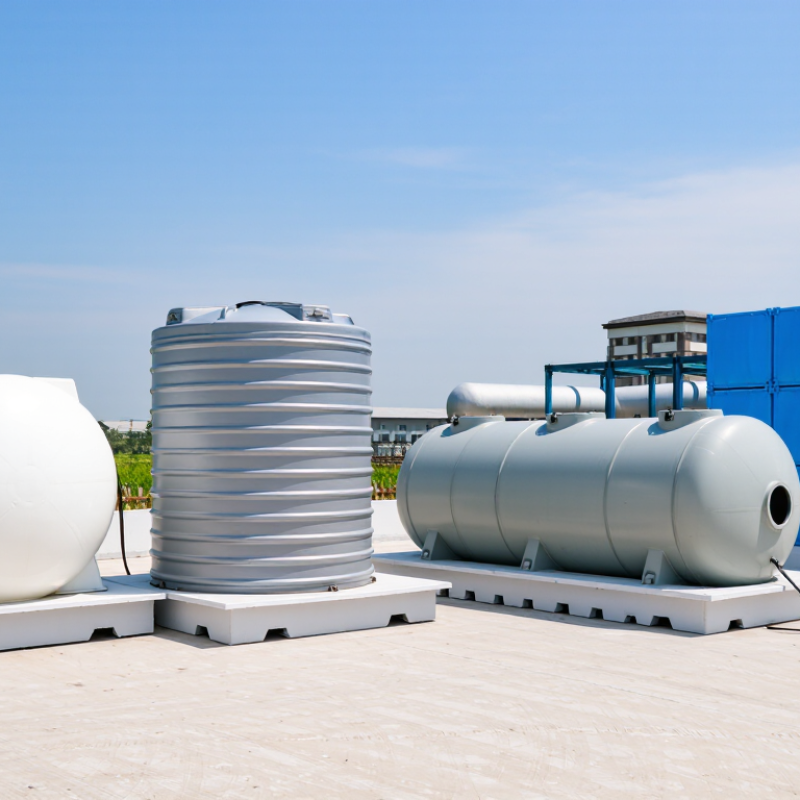
Table of Contents [Hide]
Water Supply Tank Types and Their Core Functions
Water supply tanks serve different jobs, so global buyers should match the tank type to the site. Rotomolded polyethylene tanks are lightweight, corrosion-resistant, and practical for homes, farms, and remote facilities. Their flexible installation suits uneven delivery conditions, although thin walls may deform under poor support. Sectional steel tanks provide large storage capacity for apartments, factories, and municipal systems. They arrive in panels, which simplifies transport through narrow roads. Stainless steel tanks offer strong hygiene performance and easy cleaning for potable water applications. Concrete tanks handle substantial volumes and can be installed underground, where space and temperature control matter. Material choice depends on water quality, climate, foundation strength, and local approval requirements.
Core functions also vary. Storage tanks maintain supply during interruptions or peak consumption. Elevated tanks create useful pressure through gravity, reducing pump operation. Pressure tanks buffer demand changes and help limit frequent pump starts. Separate compartments may reserve water for emergency or fire-control systems, where regulations permit. During site inspections, I check the inlet, outlet, overflow, drain, access hatch, and level indicator. These details often affect service life more than appearance. Buyers should request wall thickness, coating information, load calculations, cleaning guidance, and potable-water documentation. Yet specifications can mislead. A larger tank is not automatically safer or more economical. I have seen installations fail because the foundation settled, not because the tank material was unsuitable. Local heat, freezing conditions, sunlight, and maintenance access deserve equal attention. Small details matter.

© Copyright - Pro Tool & Supply - Site by SVM E-Marketing Solutions - Sitemap
- Privacy policy