- Products
- Air Compressors & Air Tools
- Climate Control
- Compaction Equipment
- Concrete Cutting Tools & Equipment
- Concrete and Masonry
- Demolition & Excavation
- Electrical & Mechanical
- Fasteners and Anchoring Adhesives
- Floor Protection
- Generators and Welders
- Hand Tools
- Heaters
- Janitorial and Office Supplies
- Jobsite Protection
- Ladders & Storage
- Lighting & Lighting Accessories
- Man Lifts
- Material Handling Equipment
- Power Tools
- Pressure Washers & Pumps
- Safety Gear
- Safety Products
- Saws
- Surface Preparation
- SEASONAL PRODUCTS
- Rentals
- Air Compressor and Air Tool Rentals
- Climate Control Rental
- Compaction Rentals
- Concrete Equipment Rentals
- Demolition & Excavation Equipment Rentals
- Concrete Floor Grinder Rentals
- General Construction Equipment Rentals
- Generator Rentals and Welder Rentals
- Heater Rentals
- Light Tower Rentals
- Man Lift Rentals in Massachusetts and Rhode Island
- Material Handling Equipment Rentals
- Pressure Washer & Pump Rentals
- Saw Rentals in New England
- SEASONAL PRODUCTS
- Products
- Air Compressors & Air Tools
- Climate Control
- Compaction Equipment
- Concrete Cutting Tools & Equipment
- Demolition & Excavation
- Electrical & Mechanical
- Floor Protection
- Generators and Welders
- Construction Heaters
- Construction Ladders, Staging, & Storage
- Construction Lighting
- Man Lifts
- Material Handling Equipment
- Industrial Janitorial and Office Supplies
- Pressure Washers & Pumps
- Construction Safety Products
- Construction Safety Gear
- Surface Preparation
- Building Protection
- Diesel Accessories
- Zero Emissions
- Rentals
- Air Compressor and Air Tool Rentals
- Climate Control Rental
- Compaction Rentals
- Concrete Equipment Rental
- Demolition & Excavation Equipment Rental
- General Construction Equipment Rental
- Generator Rentals and Welder Rentals
- Construction Heaters Rental
- Light Tower Rentals
- Man Lift Rentals
- Material Handling Equipment Rental
- Pressure Washer & Pump Rentals
- Saw Rentals in New England
- Concrete Floor Grinder Rentals
- Zero Emissions Rentals
- Repairs & Used
- Parts
- Blog
- Services
- Resources
- About Us
- Contact Us
Sales & Rental of Construction | Industrial Equipment & Supplies


What Are the Top Types of Safety Tools for Buyers?
Choosing safety tools is not just a matter of buying the most visible equipment. A hard hat on a shelf cannot protect someone from a poorly secured work platform or an unnoticed gas leak. Buyers need to match each tool to the hazard, the work setting, and the people who will use it. Small details matter: glove fit, alarm volume, battery life, and whether a harness clips securely to an approved anchor point. They can change how well a tool works in practice.
This guide explores major categories of safety tools, including personal protective equipment, fall-protection systems, lockout and tagout devices, machine guards, fire-safety equipment, and gas detectors. Each category serves a different purpose. A detector needs suitable sensors and regular checks; a guard must fit the machine without creating a new hazard. That sounds simple. It isn’t always. Buyers should review manufacturer instructions, compatibility, inspection needs, training requirements, and applicable workplace rules before choosing a product. A low purchase price may hide replacement costs or maintenance demands. Better questions include: Who will use this tool? What conditions will it face? How will we know it still works? No single product makes a workplace safe by itself. The right selection, correct use, and routine inspection all matter. The following overview gives buyers a practical starting point for comparing safety tools and identifying what deserves closer review.
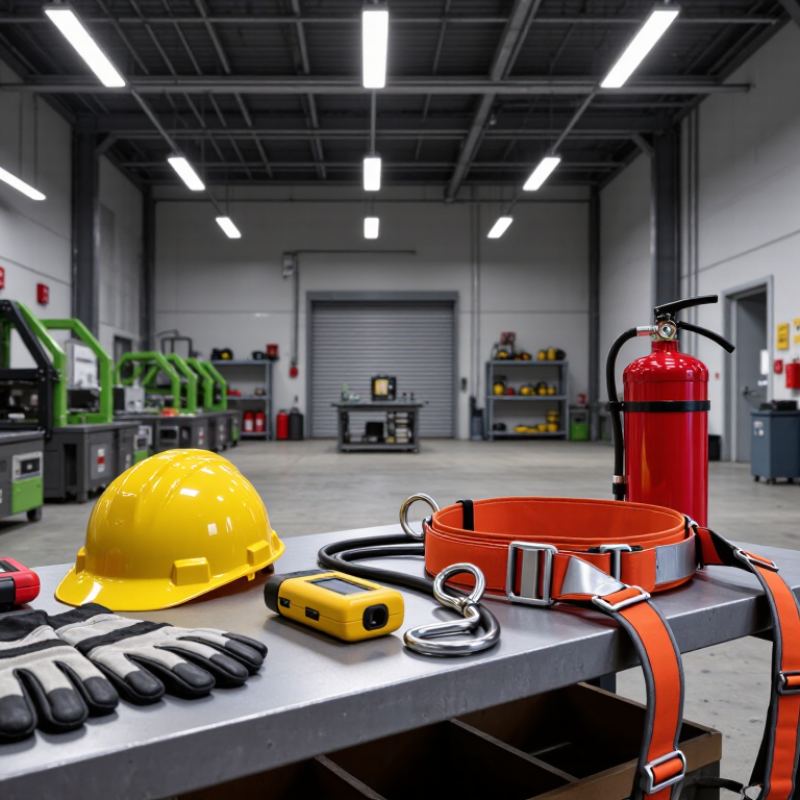
Table of Contents
[Hide]
How Safety Tools Help Buyers Manage Workplace Risks
What Are the Top Types of Safety Tools for Buyers?
How Safety Tools Help Buyers Manage Workplace Risks
Safety tools help buyers turn workplace hazards into practical controls. Common options include machine guards, ventilation systems, ergonomic aids, gas detectors, inspection checklists, and personal protective equipment. The right choice depends on the task: a noisy workshop may need sound monitoring, while a warehouse may need lifting aids and clear inspection routines. Small details matter.
The International Labour Organization’s 2023 report estimates that nearly 2.93 million workers die each year from work-related factors. The U.S. Bureau of Labor Statistics reported about 2.6 million nonfatal workplace injuries and illnesses in private industry in 2023. These figures show why purchasing decisions should start with hazard assessment, not price alone. Buyers should check whether tools suit the work environment, fit existing equipment, and can be maintained and used correctly. A detector that is poorly calibrated offers little protection. More equipment is not always better.
Tips: Match each tool to a documented hazard. Ask staff to test fit and usability before bulk purchasing. Check inspection, calibration, and replacement needs. Keep instructions close to the work area. Even a good checklist can be overlooked on a rushed shift.
Related Posts
-
10 Safety Tools Tips Every Global Buyer Should Know?
-
2026 Best Safety Tools for Global Buyers?
-
Top 5 Essential Hand Tools Every DIY Enthusiast Should Own
-
Top Hand Tools to Look Out for in 2026 Best Picks for Every DIY Enthusiast?
-

Top 10 Work Tools Every Global Buyer Needs to Succeed?
-

2026 Best New Concrete Tools for Your Construction Projects?

© Copyright - Pro Tool & Supply - Site by SVM E-Marketing Solutions - Sitemap
- Privacy policy