- Products
- Air Compressors & Air Tools
- Climate Control
- Compaction Equipment
- Concrete Cutting Tools & Equipment
- Concrete and Masonry
- Demolition & Excavation
- Electrical & Mechanical
- Fasteners and Anchoring Adhesives
- Floor Protection
- Generators and Welders
- Hand Tools
- Heaters
- Janitorial and Office Supplies
- Jobsite Protection
- Ladders & Storage
- Lighting & Lighting Accessories
- Man Lifts
- Material Handling Equipment
- Power Tools
- Pressure Washers & Pumps
- Safety Gear
- Safety Products
- Saws
- Surface Preparation
- SEASONAL PRODUCTS
- Rentals
- Air Compressor and Air Tool Rentals
- Climate Control Rental
- Compaction Rentals
- Concrete Equipment Rentals
- Demolition & Excavation Equipment Rentals
- Concrete Floor Grinder Rentals
- General Construction Equipment Rentals
- Generator Rentals and Welder Rentals
- Heater Rentals
- Light Tower Rentals
- Man Lift Rentals in Massachusetts and Rhode Island
- Material Handling Equipment Rentals
- Pressure Washer & Pump Rentals
- Saw Rentals in New England
- SEASONAL PRODUCTS
- Products
- Air Compressors & Air Tools
- Climate Control
- Compaction Equipment
- Concrete Cutting Tools & Equipment
- Demolition & Excavation
- Electrical & Mechanical
- Floor Protection
- Generators and Welders
- Construction Heaters
- Construction Ladders, Staging, & Storage
- Construction Lighting
- Man Lifts
- Material Handling Equipment
- Industrial Janitorial and Office Supplies
- Pressure Washers & Pumps
- Construction Safety Products
- Construction Safety Gear
- Surface Preparation
- Building Protection
- Diesel Accessories
- Zero Emissions
- Rentals
- Air Compressor and Air Tool Rentals
- Climate Control Rental
- Compaction Rentals
- Concrete Equipment Rental
- Demolition & Excavation Equipment Rental
- General Construction Equipment Rental
- Generator Rentals and Welder Rentals
- Construction Heaters Rental
- Light Tower Rentals
- Man Lift Rentals
- Material Handling Equipment Rental
- Pressure Washer & Pump Rentals
- Saw Rentals in New England
- Concrete Floor Grinder Rentals
- Zero Emissions Rentals
- Repairs & Used
- Parts
- Blog
- Services
- Resources
- About Us
- Contact Us
Sales & Rental of Construction | Industrial Equipment & Supplies


Top 10 New Tools Transforming Digital Workflows You Need to Know About
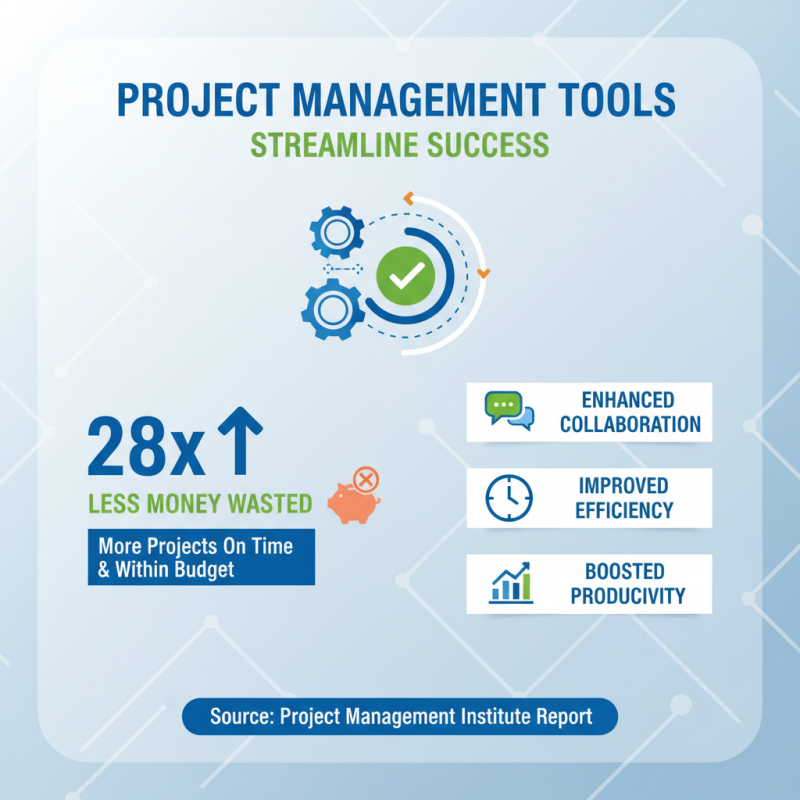
In today's fast-paced digital landscape, the efficiency and adaptability of workflows have become paramount for organizations striving to maintain a competitive edge. According to a recent report by McKinsey, companies that implement innovative tools can enhance their operations by as much as 30%. This statistic underscores the necessity for businesses to embrace new tools that not only simplify processes but also foster collaboration and enhance productivity among teams.
Experts in the field, like Dr. Emily Chen, a leading authority on digital transformation, emphasize the significance of these advancements. Dr. Chen has noted, "The adoption of new tools is no longer a luxury but a vital component of successful digital strategies." As more companies navigate remote and hybrid work environments, leveraging the latest technological innovations is critical for streamlining workflows and achieving organizational goals.
The following sections will explore the top 10 new tools transforming digital workflows, highlighting their key features and the value they add to various industries. By embracing these new tools, businesses can not only optimize their operations but also ensure they are equipped to adapt to an ever-evolving digital environment.

Table of Contents
[Hide]
Emerging Technologies Reshaping Digital Workflows in 2023
In 2023, the landscape of digital workflows is being significantly reshaped by a wave of emerging technologies. Artificial intelligence continues to lead the charge, offering tools that automate routine tasks and enhance decision-making processes. By analyzing vast amounts of data in real-time, AI-driven solutions enable organizations to respond swiftly to market changes, streamline operations, and ultimately improve productivity.
Another transformative technology making waves this year is the integration of cloud-based collaboration platforms. These tools promote seamless communication across teams and geographical boundaries, empowering remote work environments. Enhanced cloud functionalities allow for real-time document sharing, version control, and advanced project management features, fostering an atmosphere of collaboration that is crucial in today’s hybrid work settings. Overall, these innovations are not just enhancing efficiencies but redefining how organizations conceive workflows in the digital age.
Related Posts
-

Unlocking the Power of All Tools for Everyday Productivity and Creativity
-

2025 Top 5 Air Compressors for Air Tools You Should Consider
-
Unlocking Success with the Right Professional Tools for Every Industry
-
Why You Need Professional Tools for Effective Content Creation and Management
-

Top 10 Electric Heaters for Efficient Home Heating in 2023
-

Top 10 New Tools Revolutionizing Digital Marketing in 2024: Enhance Your Strategy with Data-Driven Insights

© Copyright - Pro Tool & Supply - Site by SVM E-Marketing Solutions - Sitemap
- Privacy policy