- Products
- Air Compressors & Air Tools
- Climate Control
- Compaction Equipment
- Concrete Cutting Tools & Equipment
- Concrete and Masonry
- Demolition & Excavation
- Electrical & Mechanical
- Fasteners and Anchoring Adhesives
- Floor Protection
- Generators and Welders
- Hand Tools
- Heaters
- Janitorial and Office Supplies
- Jobsite Protection
- Ladders & Storage
- Lighting & Lighting Accessories
- Man Lifts
- Material Handling Equipment
- Power Tools
- Pressure Washers & Pumps
- Safety Gear
- Safety Products
- Saws
- Surface Preparation
- SEASONAL PRODUCTS
- Rentals
- Air Compressor and Air Tool Rentals
- Climate Control Rental
- Compaction Rentals
- Concrete Equipment Rentals
- Demolition & Excavation Equipment Rentals
- Concrete Floor Grinder Rentals
- General Construction Equipment Rentals
- Generator Rentals and Welder Rentals
- Heater Rentals
- Light Tower Rentals
- Man Lift Rentals in Massachusetts and Rhode Island
- Material Handling Equipment Rentals
- Pressure Washer & Pump Rentals
- Saw Rentals in New England
- SEASONAL PRODUCTS
- Products
- Air Compressors & Air Tools
- Climate Control
- Compaction Equipment
- Concrete Cutting Tools & Equipment
- Demolition & Excavation
- Electrical & Mechanical
- Floor Protection
- Generators and Welders
- Construction Heaters
- Construction Ladders, Staging, & Storage
- Construction Lighting
- Man Lifts
- Material Handling Equipment
- Industrial Janitorial and Office Supplies
- Pressure Washers & Pumps
- Construction Safety Products
- Construction Safety Gear
- Surface Preparation
- Building Protection
- Diesel Accessories
- Zero Emissions
- Rentals
- Air Compressor and Air Tool Rentals
- Climate Control Rental
- Compaction Rentals
- Concrete Equipment Rental
- Demolition & Excavation Equipment Rental
- General Construction Equipment Rental
- Generator Rentals and Welder Rentals
- Construction Heaters Rental
- Light Tower Rentals
- Man Lift Rentals
- Material Handling Equipment Rental
- Pressure Washer & Pump Rentals
- Saw Rentals in New England
- Concrete Floor Grinder Rentals
- Zero Emissions Rentals
- Repairs & Used
- Parts
- Blog
- Services
- Resources
- About Us
- Contact Us
Sales & Rental of Construction | Industrial Equipment & Supplies


Top 10 Tips for Choosing the Best Concrete Cutting Tools?
Choosing the right concrete cutting tools can significantly impact project efficiency and outcome. According to a recent industry report, improper tool selection can lead to up to 30% wasted time on job sites. This emphasizes the need for careful consideration.
When selecting concrete cutting tools, factors like the type of concrete, job size, and depth of cut matter. Many professionals often overlook these details, resulting in suboptimal performance. For instance, using a diamond saw blade on thick concrete can enhance cutting speed but may not be necessary for thinner materials.
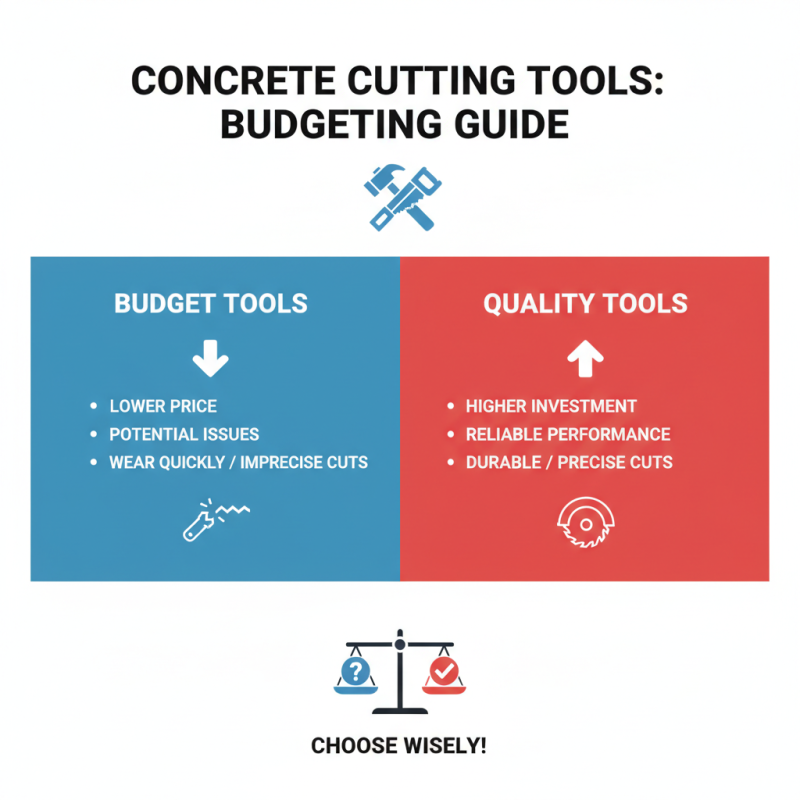
Additionally, understanding the tool's specifications and limitations is vital. Many users struggle with balancing power and precision. A tool that's too powerful may cause overcutting or damage surrounding materials, which can lead to costly repairs. Hence, reflecting on personal experiences with these tools is essential to avoid recurring mistakes.
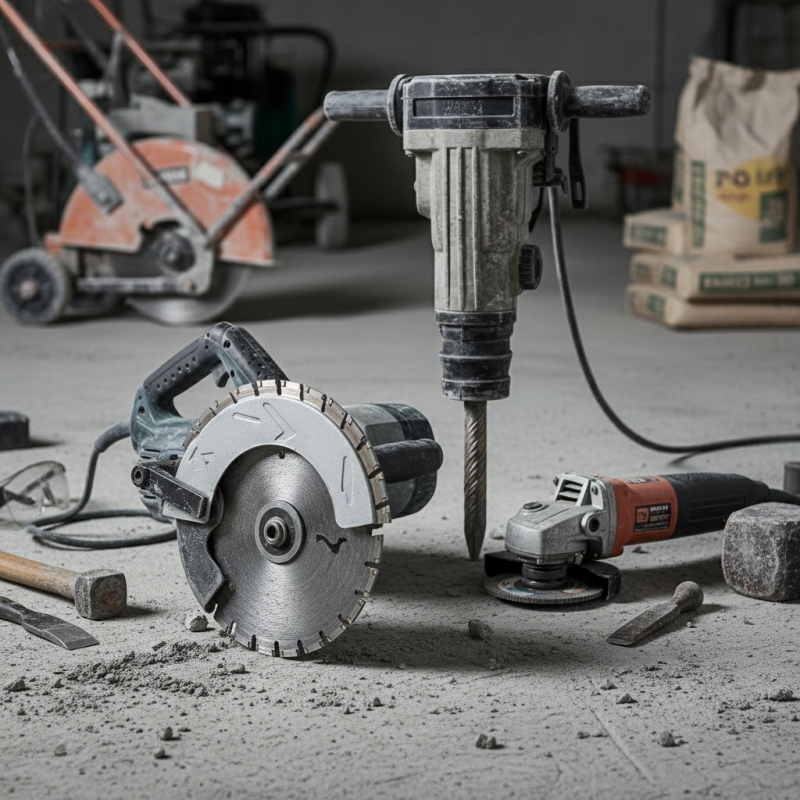
Table of Contents
[Hide]
Understanding Different Types of Concrete Cutting Tools Available
When it comes to concrete cutting, knowing the types of tools available is crucial. There are several types of concrete cutting tools that cater to different needs. For instance, a concrete saw can be electric, gas-powered, or even hydraulic. Each type has its pros and cons. Electric saws are quieter and cleaner, while gas saws offer more power. Yet, gas tools might feel heavy and cumbersome after extended use.
Understanding the differences helps in making the right choice. For smaller jobs, hand-held saws are ideal. However, larger projects may require a walk-behind saw. These saws cover more ground but can be less maneuverable. Ensure you consider the project size before deciding.
Tip: Always assess the depth and angle of your cuts. Uneven cuts can ruin the final look. Also, picking the right blade is vital. A diamond blade can tackle tough surfaces like reinforced concrete. But remember, using the wrong blade can cause unnecessary wear on your tool. Overall, take your time to evaluate your specific needs before investing in equipment.
Related Posts
-

2026 Top Tools for Effective Project Management and Collaboration Tools?
-

Why Are All Tools Essential for Successful Project Management?
-
How to Choose the Right Concrete Tools for Your DIY Projects: Expert Tips & Trends
-
2026 Best Demolition Tools for Efficient Home Renovation?
-
2025 Top 5 Air Compressors for Air Tools You Should Consider
-
2026 Best Construction Tools for Every Builder's Toolkit?

© Copyright - Pro Tool & Supply - Site by SVM E-Marketing Solutions - Sitemap
- Privacy policy