- Products
- Air Compressors & Air Tools
- Climate Control
- Compaction Equipment
- Concrete Cutting Tools & Equipment
- Concrete and Masonry
- Demolition & Excavation
- Electrical & Mechanical
- Fasteners and Anchoring Adhesives
- Floor Protection
- Generators and Welders
- Hand Tools
- Heaters
- Janitorial and Office Supplies
- Jobsite Protection
- Ladders & Storage
- Lighting & Lighting Accessories
- Man Lifts
- Material Handling Equipment
- Power Tools
- Pressure Washers & Pumps
- Safety Gear
- Safety Products
- Saws
- Surface Preparation
- SEASONAL PRODUCTS
- Rentals
- Air Compressor and Air Tool Rentals
- Climate Control Rental
- Compaction Rentals
- Concrete Equipment Rentals
- Demolition & Excavation Equipment Rentals
- Concrete Floor Grinder Rentals
- General Construction Equipment Rentals
- Generator Rentals and Welder Rentals
- Heater Rentals
- Light Tower Rentals
- Man Lift Rentals in Massachusetts and Rhode Island
- Material Handling Equipment Rentals
- Pressure Washer & Pump Rentals
- Saw Rentals in New England
- SEASONAL PRODUCTS
- Products
- Air Compressors & Air Tools
- Climate Control
- Compaction Equipment
- Concrete Cutting Tools & Equipment
- Demolition & Excavation
- Electrical & Mechanical
- Floor Protection
- Generators and Welders
- Construction Heaters
- Construction Ladders, Staging, & Storage
- Construction Lighting
- Man Lifts
- Material Handling Equipment
- Industrial Janitorial and Office Supplies
- Pressure Washers & Pumps
- Construction Safety Products
- Construction Safety Gear
- Surface Preparation
- Building Protection
- Diesel Accessories
- Zero Emissions
- Rentals
- Air Compressor and Air Tool Rentals
- Climate Control Rental
- Compaction Rentals
- Concrete Equipment Rental
- Demolition & Excavation Equipment Rental
- General Construction Equipment Rental
- Generator Rentals and Welder Rentals
- Construction Heaters Rental
- Light Tower Rentals
- Man Lift Rentals
- Material Handling Equipment Rental
- Pressure Washer & Pump Rentals
- Saw Rentals in New England
- Concrete Floor Grinder Rentals
- Zero Emissions Rentals
- Repairs & Used
- Parts
- Blog
- Services
- Resources
- About Us
- Contact Us
Sales & Rental of Construction | Industrial Equipment & Supplies


7 Tips for Choosing a Type 1 Type 2 Charging Cable?
Choosing an electric vehicle cable seems simple until charging becomes unreliable. A Type 1 Type 2 Charging Cable must match your vehicle, charger, and daily driving needs. Connector shape matters, but it is only one part of the decision. Cable length, current rating, weather resistance, and storage also affect safety and convenience.
This guide shares seven practical tips for choosing the right cable. It considers real charging situations, from a home wall box beside a garage to a public charger in heavy rain. Fit comes first. A cable that connects loosely can create frustration and unnecessary wear. A cable that is too short may pull against the socket. One that is excessively long can become heavy, tangled, and difficult to store. Small details matter.
The recommendations are based on common manufacturer specifications, charging practices, and careful product comparison. Check your vehicle handbook and charger label before purchasing. Type 1 and Type 2 connectors are not interchangeable in every situation, even when a product description sounds convincing. I have seen buyers focus on price and overlook amperage compatibility. That mistake can be expensive. Certification marks, insulation quality, strain relief, and warranty support deserve equal attention. Still, no guide can replace professional advice for unusual installations or damaged equipment. These seven tips will help you ask better questions, compare products more confidently, and choose a cable suited to your vehicle, climate, and charging routine.
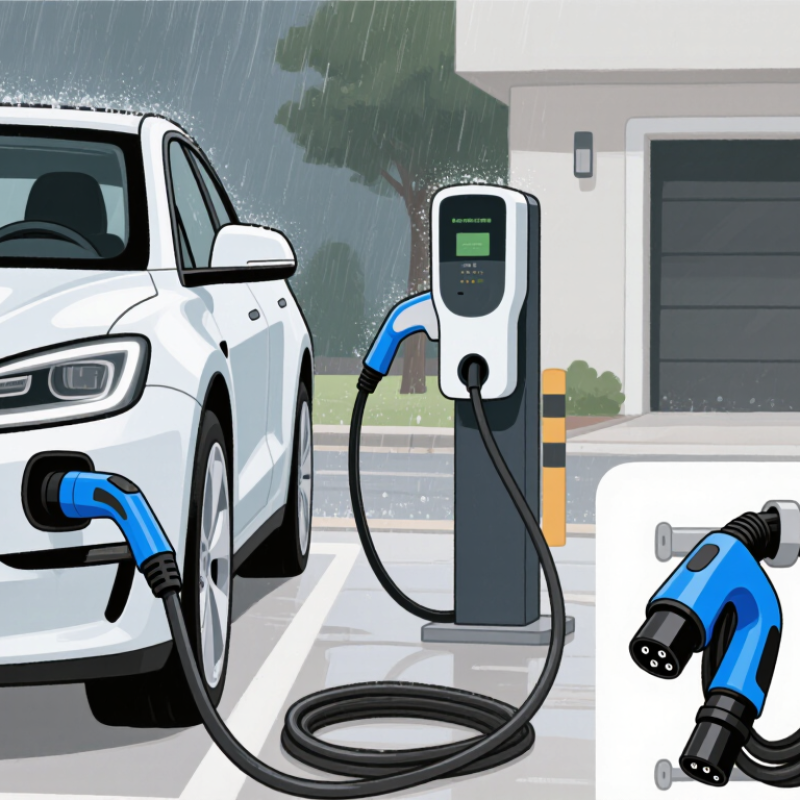
Table of Contents [Hide]
Identify Your Vehicle’s Charging Connector Type
Choosing the correct charging cable starts with identifying your vehicle’s charging connector. Do not rely only on the country where the vehicle was purchased. Check the inlet shape, pin arrangement, and locking position. A Type 1 connector usually has one larger round body with five main contacts and a locking clip near the top. It is common on many vehicles designed for single-phase AC charging.
A Type 2 connector looks wider and includes seven contact positions, with two smaller contacts at the bottom. It commonly supports single-phase or three-phase AC charging, depending on the vehicle and charging equipment. Compare the connector with your vehicle manual or a clear photo of the inlet. The cable plug should fit smoothly. Never force it.
I once assumed a similar-looking socket used the same cable. That shortcut was wrong. A proper fit is not enough. Check the cable’s current rating, charging mode, and connector compatibility before buying. Some vehicles also include a separate DC charging inlet, which may sit beside the AC socket. That inlet does not automatically make every Type 1 or Type 2 cable suitable.
Keep the connector dry and inspect the pins for bending, heat marks, or dirt. A loose connection can interrupt charging and create unnecessary wear. If the inlet label is unclear, ask a qualified technician to verify it. A small inspection can prevent an expensive mistake.

© Copyright - Pro Tool & Supply - Site by SVM E-Marketing Solutions - Sitemap
- Privacy policy