- Products
- Air Compressors & Air Tools
- Climate Control
- Compaction Equipment
- Concrete Cutting Tools & Equipment
- Concrete and Masonry
- Demolition & Excavation
- Electrical & Mechanical
- Fasteners and Anchoring Adhesives
- Floor Protection
- Generators and Welders
- Hand Tools
- Heaters
- Janitorial and Office Supplies
- Jobsite Protection
- Ladders & Storage
- Lighting & Lighting Accessories
- Man Lifts
- Material Handling Equipment
- Power Tools
- Pressure Washers & Pumps
- Safety Gear
- Safety Products
- Saws
- Surface Preparation
- SEASONAL PRODUCTS
- Rentals
- Air Compressor and Air Tool Rentals
- Climate Control Rental
- Compaction Rentals
- Concrete Equipment Rentals
- Demolition & Excavation Equipment Rentals
- Concrete Floor Grinder Rentals
- General Construction Equipment Rentals
- Generator Rentals and Welder Rentals
- Heater Rentals
- Light Tower Rentals
- Man Lift Rentals in Massachusetts and Rhode Island
- Material Handling Equipment Rentals
- Pressure Washer & Pump Rentals
- Saw Rentals in New England
- SEASONAL PRODUCTS
- Products
- Air Compressors & Air Tools
- Climate Control
- Compaction Equipment
- Concrete Cutting Tools & Equipment
- Demolition & Excavation
- Electrical & Mechanical
- Floor Protection
- Generators and Welders
- Construction Heaters
- Construction Ladders, Staging, & Storage
- Construction Lighting
- Man Lifts
- Material Handling Equipment
- Industrial Janitorial and Office Supplies
- Pressure Washers & Pumps
- Construction Safety Products
- Construction Safety Gear
- Surface Preparation
- Building Protection
- Diesel Accessories
- Zero Emissions
- Rentals
- Air Compressor and Air Tool Rentals
- Climate Control Rental
- Compaction Rentals
- Concrete Equipment Rental
- Demolition & Excavation Equipment Rental
- General Construction Equipment Rental
- Generator Rentals and Welder Rentals
- Construction Heaters Rental
- Light Tower Rentals
- Man Lift Rentals
- Material Handling Equipment Rental
- Pressure Washer & Pump Rentals
- Saw Rentals in New England
- Concrete Floor Grinder Rentals
- Zero Emissions Rentals
- Repairs & Used
- Parts
- Blog
- Services
- Resources
- About Us
- Contact Us
Sales & Rental of Construction | Industrial Equipment & Supplies


Best Tank Container Manufacturers in China?
Choosing among the best Tank Container manufacturers in China takes more than comparing prices or polished brochures. A tank container must suit its intended cargo, transport routes, filling and discharge equipment, and expected service conditions. Details matter. A correctly specified tank can reduce handling problems and downtime, while a poor match may create costly delays.
This guide explains how to assess manufacturers using practical, verifiable criteria. Buyers can review product specifications, production capabilities, quality-control procedures, inspection records, and after-sales support. Ask for clear documentation on materials, pressure ratings, insulation, heating options, and maintenance access. Check whether the supplier can explain how each feature fits your operating needs, rather than relying on broad promises. Request references or project examples where available, and confirm that certificates and test documents apply to the exact model being considered. A careful shortlist matters.
Price is important, but it should be considered alongside delivery schedules, spare-parts access, warranty terms, and communication during the order process. Site visits or third-party inspections may offer useful evidence, though neither replaces a detailed specification review. No checklist is perfect. Manufacturing capabilities and product ranges can change, and online descriptions may leave out important qualifications. Treat this comparison as a starting point, verify key claims directly, and involve qualified technical personnel before making a purchase decision. The goal is not to name a universal winner, but to identify a manufacturer whose documented capabilities fit the job.
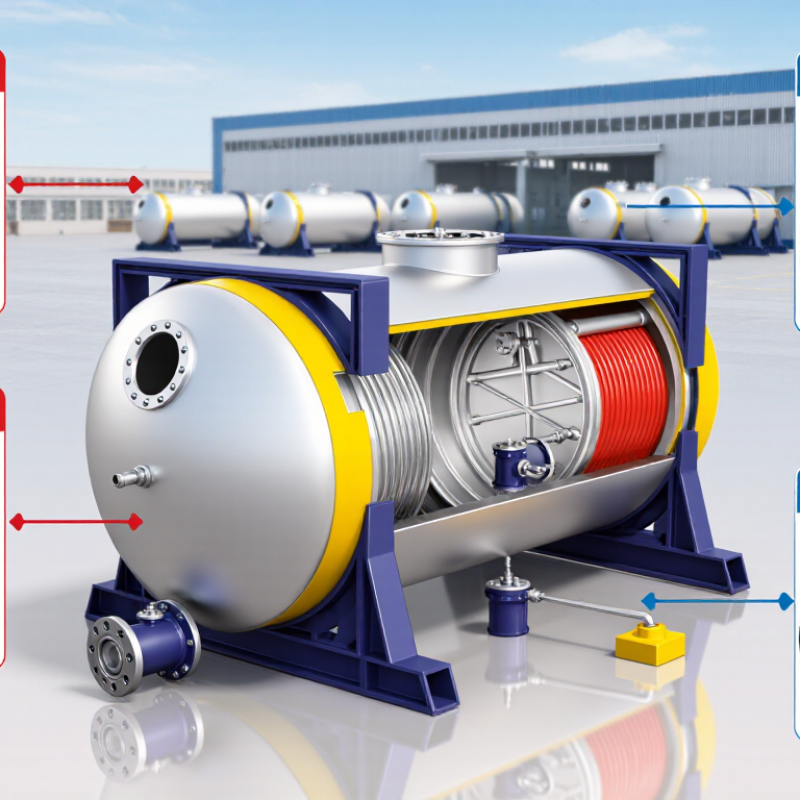
Table of Contents [Hide]
What Tank Containers Are and How They Are Used
A tank container is a transport tank held inside a strong rectangular frame. The frame is built for handling by cranes and moving between ships, trains, and trucks. Unlike a standard freight container, its central vessel is designed to carry liquids or certain gases. Different tanks have different materials, linings, pressure ratings, and temperature limits. These details matter. A tank suitable for one liquid may not suit another, even when both look harmless.
Tank containers help move bulk products without repeatedly transferring them into smaller packages. At a depot, an operator may check valves, seals, labels, and inspection records before loading. The tank is then connected to suitable hoses and filled according to its rated capacity. Some cargoes need insulation or heating to stay within a workable temperature range. After delivery, cleaning and inspection prepare the tank for another compatible load. In practice, the process is less simple than it sounds; a missed seal check or unclear cleaning record can cause delays. Small details matter. When comparing manufacturers, buyers can examine construction quality, testing documentation, available tank specifications, and after-sales support.

© Copyright - Pro Tool & Supply - Site by SVM E-Marketing Solutions - Sitemap
- Privacy policy