- Products
- Air Compressors & Air Tools
- Climate Control
- Compaction Equipment
- Concrete Cutting Tools & Equipment
- Concrete and Masonry
- Demolition & Excavation
- Electrical & Mechanical
- Fasteners and Anchoring Adhesives
- Floor Protection
- Generators and Welders
- Hand Tools
- Heaters
- Janitorial and Office Supplies
- Jobsite Protection
- Ladders & Storage
- Lighting & Lighting Accessories
- Man Lifts
- Material Handling Equipment
- Power Tools
- Pressure Washers & Pumps
- Safety Gear
- Safety Products
- Saws
- Surface Preparation
- SEASONAL PRODUCTS
- Rentals
- Air Compressor and Air Tool Rentals
- Climate Control Rental
- Compaction Rentals
- Concrete Equipment Rentals
- Demolition & Excavation Equipment Rentals
- Concrete Floor Grinder Rentals
- General Construction Equipment Rentals
- Generator Rentals and Welder Rentals
- Heater Rentals
- Light Tower Rentals
- Man Lift Rentals in Massachusetts and Rhode Island
- Material Handling Equipment Rentals
- Pressure Washer & Pump Rentals
- Saw Rentals in New England
- SEASONAL PRODUCTS
- Products
- Air Compressors & Air Tools
- Climate Control
- Compaction Equipment
- Concrete Cutting Tools & Equipment
- Demolition & Excavation
- Electrical & Mechanical
- Floor Protection
- Generators and Welders
- Construction Heaters
- Construction Ladders, Staging, & Storage
- Construction Lighting
- Man Lifts
- Material Handling Equipment
- Industrial Janitorial and Office Supplies
- Pressure Washers & Pumps
- Construction Safety Products
- Construction Safety Gear
- Surface Preparation
- Building Protection
- Diesel Accessories
- Zero Emissions
- Rentals
- Air Compressor and Air Tool Rentals
- Climate Control Rental
- Compaction Rentals
- Concrete Equipment Rental
- Demolition & Excavation Equipment Rental
- General Construction Equipment Rental
- Generator Rentals and Welder Rentals
- Construction Heaters Rental
- Light Tower Rentals
- Man Lift Rentals
- Material Handling Equipment Rental
- Pressure Washer & Pump Rentals
- Saw Rentals in New England
- Concrete Floor Grinder Rentals
- Zero Emissions Rentals
- Repairs & Used
- Parts
- Blog
- Services
- Resources
- About Us
- Contact Us
Sales & Rental of Construction | Industrial Equipment & Supplies


Top Sealing Ring Manufacturers for Global Buyers
Choosing a sealing-ring manufacturer is a practical reliability decision. A ring may look simple on a drawing, yet a small mismatch in material or groove dimensions can cause leakage, wear, and costly downtime. Buyers need more than a polished catalog. They need traceable materials, controlled production, clear test records, and support for the actual operating conditions.
The wider sealing market offers useful context. MarketsandMarkets’ Mechanical Seals Market report estimated that market at USD 3.6 billion in 2023, with a forecast of USD 4.5 billion by 2028. Mechanical seals are not the same product as Sealing Rings, so these figures should not be treated as ring-market statistics. They do, however, signal continuing industrial demand for dependable sealing solutions. Important details remain specific: fluid compatibility, pressure, temperature, movement, and installation.
Machinery reliability author Heinz P. Bloch provides a useful perspective on evaluating components. A practical, non-verbatim takeaway from his reliability guidance is: “Choose for actual operating duty, not catalog claims.” That distinction matters when comparing Sealing Rings manufacturers across regions. A supplier’s material data, dimensional tolerances, inspection process, and response to technical questions can reveal more than a low unit price. No shortlist is perfect. Buyers should verify critical claims and test samples under realistic conditions before committing to volume orders. This guide introduces manufacturers for global buyers, with attention to capability, product range, quality evidence, and fit for application.
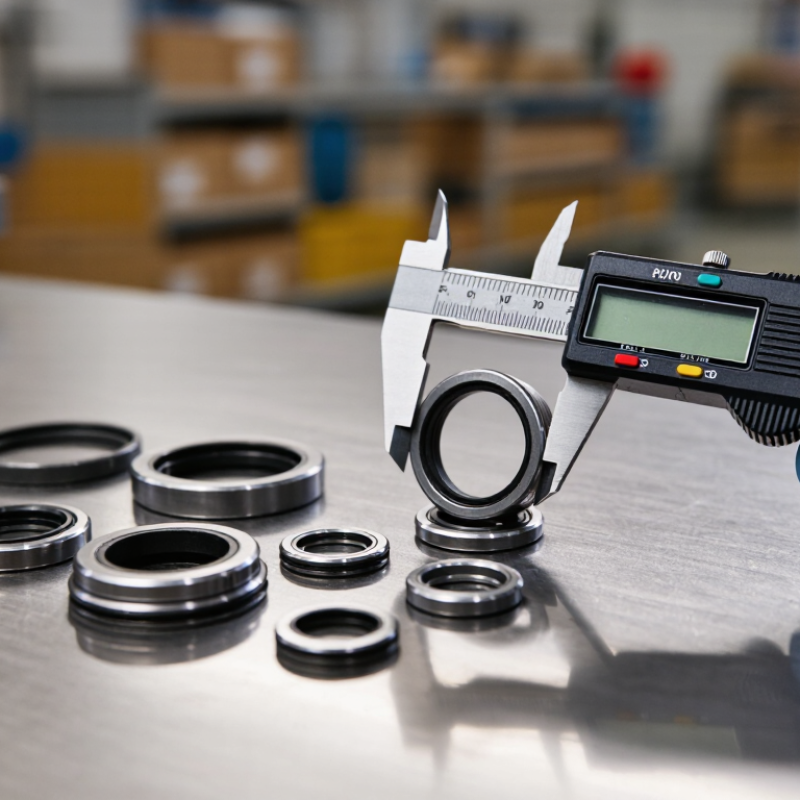
Table of Contents [Hide]
What Sealing Rings Are and How They Work
A sealing ring is a shaped component that limits fluid or gas leakage between joined surfaces. Many designs use an elastomer ring seated in a machined groove. When the parts come together, the ring compresses and fills small surface gaps. That contact creates the seal. Simple in appearance, but sensitive to details.
Some rings seal stationary joints, such as a pump housing cover. Others work around moving shafts or pistons, where friction and wear matter. Pressure can help press a ring against a sealing surface, but excessive pressure or poor support may deform it. Material choice matters too: temperature, fluid compatibility, and movement all affect performance. A ring that suits cool water may not suit hot oil. Measure the groove and mating surfaces carefully; a close-looking replacement can still fit poorly. Clean installation helps prevent cuts from sharp edges or trapped debris. In practice, the neat diagram is not the whole story. Real equipment can have vibration, uneven surfaces, or changing temperatures, so selection often needs careful review.

© Copyright - Pro Tool & Supply - Site by SVM E-Marketing Solutions - Sitemap
- Privacy policy