- Products
- Air Compressors & Air Tools
- Climate Control
- Compaction Equipment
- Concrete Cutting Tools & Equipment
- Concrete and Masonry
- Demolition & Excavation
- Electrical & Mechanical
- Fasteners and Anchoring Adhesives
- Floor Protection
- Generators and Welders
- Hand Tools
- Heaters
- Janitorial and Office Supplies
- Jobsite Protection
- Ladders & Storage
- Lighting & Lighting Accessories
- Man Lifts
- Material Handling Equipment
- Power Tools
- Pressure Washers & Pumps
- Safety Gear
- Safety Products
- Saws
- Surface Preparation
- SEASONAL PRODUCTS
- Rentals
- Air Compressor and Air Tool Rentals
- Climate Control Rental
- Compaction Rentals
- Concrete Equipment Rentals
- Demolition & Excavation Equipment Rentals
- Concrete Floor Grinder Rentals
- General Construction Equipment Rentals
- Generator Rentals and Welder Rentals
- Heater Rentals
- Light Tower Rentals
- Man Lift Rentals in Massachusetts and Rhode Island
- Material Handling Equipment Rentals
- Pressure Washer & Pump Rentals
- Saw Rentals in New England
- SEASONAL PRODUCTS
- Products
- Air Compressors & Air Tools
- Climate Control
- Compaction Equipment
- Concrete Cutting Tools & Equipment
- Demolition & Excavation
- Electrical & Mechanical
- Floor Protection
- Generators and Welders
- Construction Heaters
- Construction Ladders, Staging, & Storage
- Construction Lighting
- Man Lifts
- Material Handling Equipment
- Industrial Janitorial and Office Supplies
- Pressure Washers & Pumps
- Construction Safety Products
- Construction Safety Gear
- Surface Preparation
- Building Protection
- Diesel Accessories
- Zero Emissions
- Rentals
- Air Compressor and Air Tool Rentals
- Climate Control Rental
- Compaction Rentals
- Concrete Equipment Rental
- Demolition & Excavation Equipment Rental
- General Construction Equipment Rental
- Generator Rentals and Welder Rentals
- Construction Heaters Rental
- Light Tower Rentals
- Man Lift Rentals
- Material Handling Equipment Rental
- Pressure Washer & Pump Rentals
- Saw Rentals in New England
- Concrete Floor Grinder Rentals
- Zero Emissions Rentals
- Repairs & Used
- Parts
- Blog
- Services
- Resources
- About Us
- Contact Us
Sales & Rental of Construction | Industrial Equipment & Supplies


What Are the Top Rubber Pad Types in 2026?
Rubber Pad selection in 2026 is about more than choosing a thick piece of rubber. A pad beneath a vibrating pump, a machine foot, or a walkway faces different loads, temperatures, and wear. The wrong compound can harden, creep, or lose grip. Small details matter.
Grand View Research estimated the global rubber market at USD 46.8 billion in 2023 and projected 5.3% annual growth from 2024 to 2030. This figure covers rubber broadly, not rubber pads alone. Still, it reflects the scale of the material supply behind industrial and commercial products. It does not tell buyers which pad will perform best. That depends on the application.
Rubber technologist John S. Dick’s published work on compounding and testing offers a useful engineering perspective: evaluate rubber against its intended service conditions. A verified, verbatim quote from him specifically about rubber pads is not available here, so attributing one would be misleading. That caution matters. Hardness alone cannot predict durability, and “heavy-duty” labels do not replace load or environment data. Some selections remain imperfect until tested in place. This guide compares common pad types by material, grip, cushioning, and resistance to oil, weather, and repeated compression, helping readers narrow their choices with evidence rather than guesswork.
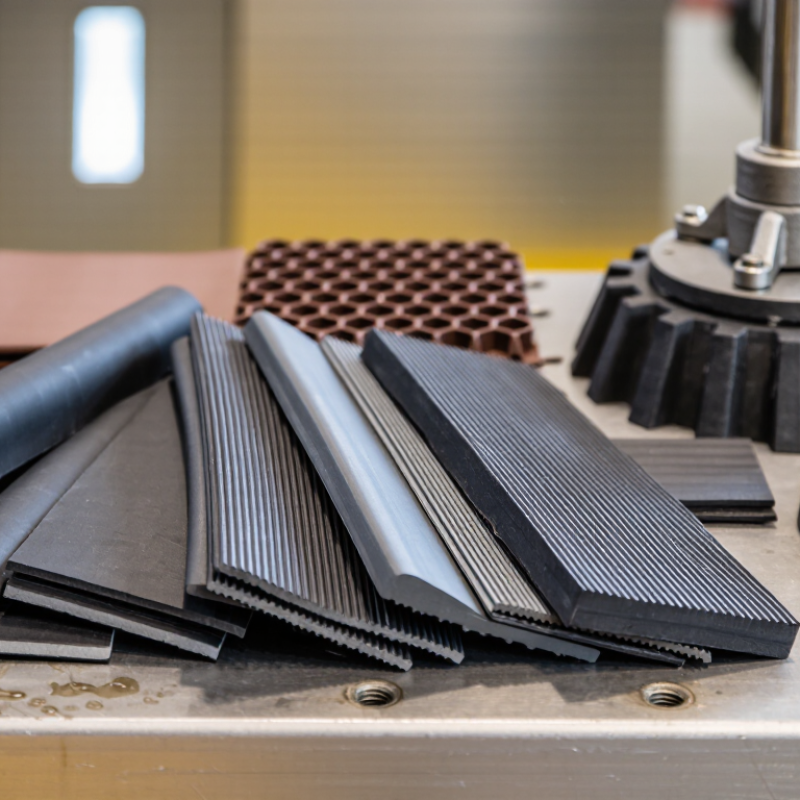
Table of Contents [Hide]
How Rubber Pads Are Defined and Classified
What Are the Top Rubber Pad Types in 2026?
How Rubber Pads Are Defined and Classified
A rubber pad is a shaped elastomer component used to cushion impact, reduce vibration, improve grip, or seal a gap. It is classified by material, construction, and intended function—not by shape alone. Common constructions include solid sheets, cellular foam, ribbed pads, and rubber bonded to metal. ASTM D2000 classifies rubber compounds by polymer type and performance grades, including heat and oil resistance. The standard helps describe the compound; it does not rank finished pads.
For practical selection, compare hardness, thickness, load capacity, temperature range, and exposure to oils or weather. A Grand View Research report estimated the global rubber market at USD 46.75 billion in 2023, with a projected 4.8% compound annual growth rate from 2024 to 2030. That figure describes the wider market, not demand for rubber pads specifically. Still, it shows why consistent material specifications matter across applications. One detail is easy to overlook: two pads with similar appearances may compress very differently.
Tips: Match the pad to the load path. Check the supplier’s hardness scale, stated operating temperature, and compression data. A ribbed surface may improve grip, but it can also leave pressure uneven. Small, but useful.
FAQS
What is a rubber pad?
It is a shaped elastomer part that cushions impact, reduces vibration, improves grip, or seals a gap. Its function matters more than its shape.
How are rubber pads classified?
They are classified by material, construction, and intended use. Common forms include solid sheets, foam, ribbed pads, and rubber bonded to metal.
What details should I check before choosing a pad?
Compare hardness, thickness, load capacity, temperature range, and exposure to oils or weather. Check the product’s compression data, too.
Which pads can help reduce equipment vibration?
Natural rubber pads are often placed beneath pumps, compressors, and workshop equipment. They flex repeatedly and can grip smooth concrete. Fit matters.
Which rubber types suit oil, water, or outdoor exposure?
Nitrile may suit oil-prone equipment, while EPDM is often used outdoors or near water. Check the exact fluid and conditions before choosing.
When might a silicone pad be useful?
Silicone can suit warm equipment or applications needing a clean, stable surface. It may cost more and can wear faster against rough edges.
Does a harder pad always support a heavier machine?
Not necessarily. A pad that feels firm by hand may compress too much under a loaded machine. Test it first.
Can a ribbed surface improve grip?
It may help prevent slipping, but pressure can become uneven across the pad. I would check the floor and load path, not just the ribs.

© Copyright - Pro Tool & Supply - Site by SVM E-Marketing Solutions - Sitemap
- Privacy policy