- Products
- Air Compressors & Air Tools
- Climate Control
- Compaction Equipment
- Concrete Cutting Tools & Equipment
- Concrete and Masonry
- Demolition & Excavation
- Electrical & Mechanical
- Fasteners and Anchoring Adhesives
- Floor Protection
- Generators and Welders
- Hand Tools
- Heaters
- Janitorial and Office Supplies
- Jobsite Protection
- Ladders & Storage
- Lighting & Lighting Accessories
- Man Lifts
- Material Handling Equipment
- Power Tools
- Pressure Washers & Pumps
- Safety Gear
- Safety Products
- Saws
- Surface Preparation
- SEASONAL PRODUCTS
- Rentals
- Air Compressor and Air Tool Rentals
- Climate Control Rental
- Compaction Rentals
- Concrete Equipment Rentals
- Demolition & Excavation Equipment Rentals
- Concrete Floor Grinder Rentals
- General Construction Equipment Rentals
- Generator Rentals and Welder Rentals
- Heater Rentals
- Light Tower Rentals
- Man Lift Rentals in Massachusetts and Rhode Island
- Material Handling Equipment Rentals
- Pressure Washer & Pump Rentals
- Saw Rentals in New England
- SEASONAL PRODUCTS
- Products
- Air Compressors & Air Tools
- Climate Control
- Compaction Equipment
- Concrete Cutting Tools & Equipment
- Demolition & Excavation
- Electrical & Mechanical
- Floor Protection
- Generators and Welders
- Construction Heaters
- Construction Ladders, Staging, & Storage
- Construction Lighting
- Man Lifts
- Material Handling Equipment
- Industrial Janitorial and Office Supplies
- Pressure Washers & Pumps
- Construction Safety Products
- Construction Safety Gear
- Surface Preparation
- Building Protection
- Diesel Accessories
- Zero Emissions
- Rentals
- Air Compressor and Air Tool Rentals
- Climate Control Rental
- Compaction Rentals
- Concrete Equipment Rental
- Demolition & Excavation Equipment Rental
- General Construction Equipment Rental
- Generator Rentals and Welder Rentals
- Construction Heaters Rental
- Light Tower Rentals
- Man Lift Rentals
- Material Handling Equipment Rental
- Pressure Washer & Pump Rentals
- Saw Rentals in New England
- Concrete Floor Grinder Rentals
- Zero Emissions Rentals
- Repairs & Used
- Parts
- Blog
- Services
- Resources
- About Us
- Contact Us
Sales & Rental of Construction | Industrial Equipment & Supplies


What Are the Top Rolled Metal Manufacturers in China?
China remains central to the global Rolled Metal supply chain, from hot-rolled coils to precision cold-rolled strip. According to the World Steel Association’s World Steel in Figures 2024, China produced about 1.019 billion tonnes of crude steel in 2023. That volume creates powerful manufacturing capacity, but it does not automatically identify the best supplier. Quality systems, rolling accuracy, coating performance, delivery reliability, and export experience matter just as much.
Scale is only one clue. The OECD’s latest steel market analysis has repeatedly highlighted China’s substantial production capacity and the continuing pressure of global overcapacity. Meanwhile, China Iron and Steel Industry Association data shows how strongly domestic mills influence regional supply and pricing. These reports support a practical comparison of leading producers, including Baowu Steel Group, Ansteel Group, HBIS Group, Shagang Group, and Jianlong Steel. Their capabilities differ. Some focus on automotive-grade sheet. Others perform strongly in construction plate, galvanized products, or customized coils.
The details are physical. A buyer may inspect coil edges, surface marks, thickness tolerance, mill certificates, and packaging before shipment. Small defects can become costly during stamping or slitting. As Edwin Basson, Director General of the World Steel Association, has stated, “Steel is a critical material for a low-carbon future.” That observation also applies to Rolled Metal sourcing. Manufacturers must now demonstrate lower emissions, traceable inputs, and dependable production—not merely impressive tonnage.
This ranking is not absolute. Data changes. Buyer requirements change faster. Therefore, the following review combines production scale, product specialization, technical credibility, certification, and customer experience. Perfect comparisons are impossible, but transparent criteria make them more useful.
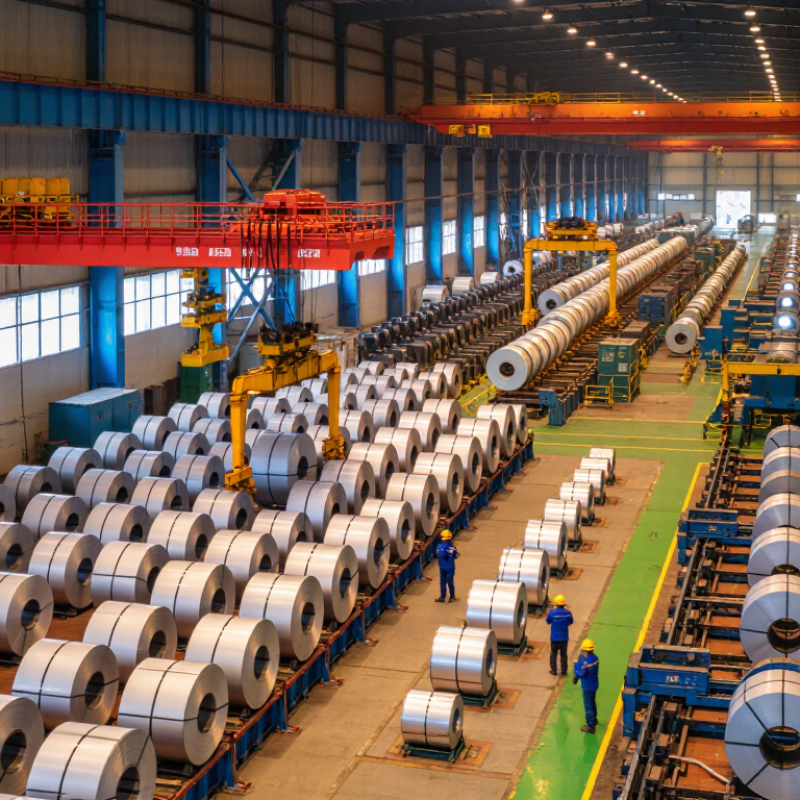
Table of Contents [Hide]
China’s Rolled Metal Market: 1.019 Billion Tons of Crude Steel in 2023
What Are the Top Rolled Metal Manufacturers in China?
China’s Rolled Metal Market: 1.019 Billion Tons of Crude Steel in 2023
China remains the world’s largest steelmaking base. The World Steel Association reported 1.019 billion tons of crude steel production in 2023. That represented about 54% of global output, which reached roughly 1.892 billion tons. China’s National Bureau of Statistics also recorded approximately 1.338 billion tons of finished steel products. This gap matters. Crude steel is not the same as rolled metal.
The strongest rolled-metal manufacturers typically combine blast furnaces, continuous casting, hot rolling, and cold rolling. Their product ranges often include plates, coils, bars, and galvanized sheets. Production scale helps, but it does not guarantee reliable quality. The China Iron and Steel Industry Association has repeatedly highlighted energy efficiency, product upgrading, and cleaner production as major industry priorities. Buyers should examine mill certificates, thickness tolerance, surface quality, and delivery records. Numbers can look impressive. Specifications reveal more.
Tips: Compare annual capacity with actual output. Check testing standards, not only price. Ask for recent inspection documents and traceability records. Also review export experience, because domestic success may not prove consistent international service. My own caution is simple: rankings can change quickly, and public capacity data may include facilities operating below their stated potential.

© Copyright - Pro Tool & Supply - Site by SVM E-Marketing Solutions - Sitemap
- Privacy policy