- Products
- Air Compressors & Air Tools
- Climate Control
- Compaction Equipment
- Concrete Cutting Tools & Equipment
- Concrete and Masonry
- Demolition & Excavation
- Electrical & Mechanical
- Fasteners and Anchoring Adhesives
- Floor Protection
- Generators and Welders
- Hand Tools
- Heaters
- Janitorial and Office Supplies
- Jobsite Protection
- Ladders & Storage
- Lighting & Lighting Accessories
- Man Lifts
- Material Handling Equipment
- Power Tools
- Pressure Washers & Pumps
- Safety Gear
- Safety Products
- Saws
- Surface Preparation
- SEASONAL PRODUCTS
- Rentals
- Air Compressor and Air Tool Rentals
- Climate Control Rental
- Compaction Rentals
- Concrete Equipment Rentals
- Demolition & Excavation Equipment Rentals
- Concrete Floor Grinder Rentals
- General Construction Equipment Rentals
- Generator Rentals and Welder Rentals
- Heater Rentals
- Light Tower Rentals
- Man Lift Rentals in Massachusetts and Rhode Island
- Material Handling Equipment Rentals
- Pressure Washer & Pump Rentals
- Saw Rentals in New England
- SEASONAL PRODUCTS
- Products
- Air Compressors & Air Tools
- Climate Control
- Compaction Equipment
- Concrete Cutting Tools & Equipment
- Demolition & Excavation
- Electrical & Mechanical
- Floor Protection
- Generators and Welders
- Construction Heaters
- Construction Ladders, Staging, & Storage
- Construction Lighting
- Man Lifts
- Material Handling Equipment
- Industrial Janitorial and Office Supplies
- Pressure Washers & Pumps
- Construction Safety Products
- Construction Safety Gear
- Surface Preparation
- Building Protection
- Diesel Accessories
- Zero Emissions
- Rentals
- Air Compressor and Air Tool Rentals
- Climate Control Rental
- Compaction Rentals
- Concrete Equipment Rental
- Demolition & Excavation Equipment Rental
- General Construction Equipment Rental
- Generator Rentals and Welder Rentals
- Construction Heaters Rental
- Light Tower Rentals
- Man Lift Rentals
- Material Handling Equipment Rental
- Pressure Washer & Pump Rentals
- Saw Rentals in New England
- Concrete Floor Grinder Rentals
- Zero Emissions Rentals
- Repairs & Used
- Parts
- Blog
- Services
- Resources
- About Us
- Contact Us
Sales & Rental of Construction | Industrial Equipment & Supplies


2026 Top Roll Crusher Types Which One Is Best?
Choosing the right crusher can shape product size, operating cost, and maintenance workload. In 2026, buyers still face a practical question: which Roll Crusher type best fits their material and plant? The answer depends less on a machine’s label than on what enters the feed hopper. Rock hardness, moisture, feed size, and required output all matter.
Smooth-roll designs can suit controlled size reduction when a consistent product is important. Toothed rolls may grip larger or more irregular feed, while single-roll and double-roll layouts differ in crushing action and capacity. These are useful starting points, not guarantees. A damp, clay-rich feed can behave very differently from dry, brittle stone. Details count.
This guide compares common roll crusher types and the conditions that influence their performance. It considers particle size, throughput, wear surfaces, adjustment needs, and access for routine inspection. A specification sheet alone may not reveal how a crusher handles fluctuating feed or abrasive material. That deserves a closer look. Where available, test data from representative material can help buyers assess claims against actual requirements. Compare those results with the manufacturer’s operating limits and service guidance. The best choice is the one that fits the whole process, not just the purchase price. Some compromises remain; even a well-matched machine needs thoughtful setup and upkeep.
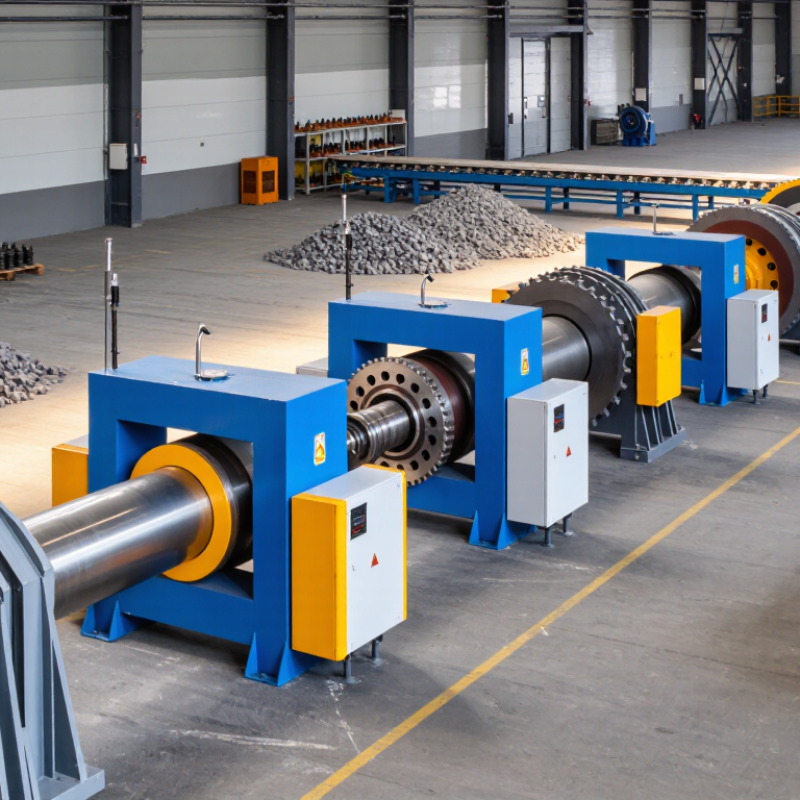
Table of Contents [Hide]
What Is a Roll Crusher and How Does It Work?
A roll crusher reduces rock by drawing feed into the narrowing space between rotating rolls. The rolls grip particles and break them through compression; toothed surfaces can add a shearing action. The roll gap largely controls product size, while roll speed, feed hardness, and moisture affect performance. That gap matters.
Smooth-roll machines are often used for more uniform, finer reduction. Toothed rolls can engage larger, irregular lumps, while single-roll designs use a breaker plate instead of a second roll. Highly abrasive material can increase wear, and sticky feed may build up on the surfaces. The best configuration depends on the actual feed, not just its name on a specification sheet.
The U.S. Geological Survey’s Mineral Commodity Summaries 2025 estimated U.S. crushed-stone production at about 1.5 billion tons in 2024. This indicates the scale of aggregate demand, but it does not measure roll-crusher use. For a practical selection, check feed size, moisture, hardness, target product size, and required capacity. A small test with representative material can reveal problems that a catalog comparison misses.

© Copyright - Pro Tool & Supply - Site by SVM E-Marketing Solutions - Sitemap
- Privacy policy