- Products
- Air Compressors & Air Tools
- Climate Control
- Compaction Equipment
- Concrete Cutting Tools & Equipment
- Concrete and Masonry
- Demolition & Excavation
- Electrical & Mechanical
- Fasteners and Anchoring Adhesives
- Floor Protection
- Generators and Welders
- Hand Tools
- Heaters
- Janitorial and Office Supplies
- Jobsite Protection
- Ladders & Storage
- Lighting & Lighting Accessories
- Man Lifts
- Material Handling Equipment
- Power Tools
- Pressure Washers & Pumps
- Safety Gear
- Safety Products
- Saws
- Surface Preparation
- SEASONAL PRODUCTS
- Rentals
- Air Compressor and Air Tool Rentals
- Climate Control Rental
- Compaction Rentals
- Concrete Equipment Rentals
- Demolition & Excavation Equipment Rentals
- Concrete Floor Grinder Rentals
- General Construction Equipment Rentals
- Generator Rentals and Welder Rentals
- Heater Rentals
- Light Tower Rentals
- Man Lift Rentals in Massachusetts and Rhode Island
- Material Handling Equipment Rentals
- Pressure Washer & Pump Rentals
- Saw Rentals in New England
- SEASONAL PRODUCTS
- Products
- Air Compressors & Air Tools
- Climate Control
- Compaction Equipment
- Concrete Cutting Tools & Equipment
- Demolition & Excavation
- Electrical & Mechanical
- Floor Protection
- Generators and Welders
- Construction Heaters
- Construction Ladders, Staging, & Storage
- Construction Lighting
- Man Lifts
- Material Handling Equipment
- Industrial Janitorial and Office Supplies
- Pressure Washers & Pumps
- Construction Safety Products
- Construction Safety Gear
- Surface Preparation
- Building Protection
- Diesel Accessories
- Zero Emissions
- Rentals
- Air Compressor and Air Tool Rentals
- Climate Control Rental
- Compaction Rentals
- Concrete Equipment Rental
- Demolition & Excavation Equipment Rental
- General Construction Equipment Rental
- Generator Rentals and Welder Rentals
- Construction Heaters Rental
- Light Tower Rentals
- Man Lift Rentals
- Material Handling Equipment Rental
- Pressure Washer & Pump Rentals
- Saw Rentals in New England
- Concrete Floor Grinder Rentals
- Zero Emissions Rentals
- Repairs & Used
- Parts
- Blog
- Services
- Resources
- About Us
- Contact Us
Sales & Rental of Construction | Industrial Equipment & Supplies


China Best RMU Electrical Panel Manufacturers and Suppliers
China’s role in electrical equipment manufacturing is drawing wider attention as utilities modernize networks and connect more renewable generation. The International Energy Agency’s 2023 report, Electricity Grids and Secure Energy Transitions, says annual grid investment needs to rise above US$600 billion by 2030. That figure is global, not specific to ring main units, but it signals the scale of pressure on distribution infrastructure. Reliability matters.
A Rmu Electrical Panel helps manage medium-voltage distribution in compact substations, industrial sites, and commercial buildings. Choosing a manufacturer is not just a price comparison. Buyers should check rated voltage, short-circuit withstand capability, insulation design, routine and type-test documentation, and compliance with applicable IEC standards, including IEC 62271-200 where relevant. Ask how suppliers control assembly quality and provide spare parts, commissioning guidance, and after-sales support. A neat brochure is not enough.
Chinese manufacturers and suppliers vary in engineering depth, export experience, and service coverage. Request test certificates tied to the offered configuration, not merely a similar product family. Confirm enclosure dimensions, cable entry, operating conditions, and maintenance access against the actual site layout. These details can prevent awkward surprises during installation. Yet documents cannot reveal every field issue; references from comparable projects and a clear factory-inspection plan add useful evidence. This guide introduces China-based suppliers and practical checks for comparing their Rmu Electrical Panel offerings, while recognizing that the right choice depends on project conditions, not country of origin alone.
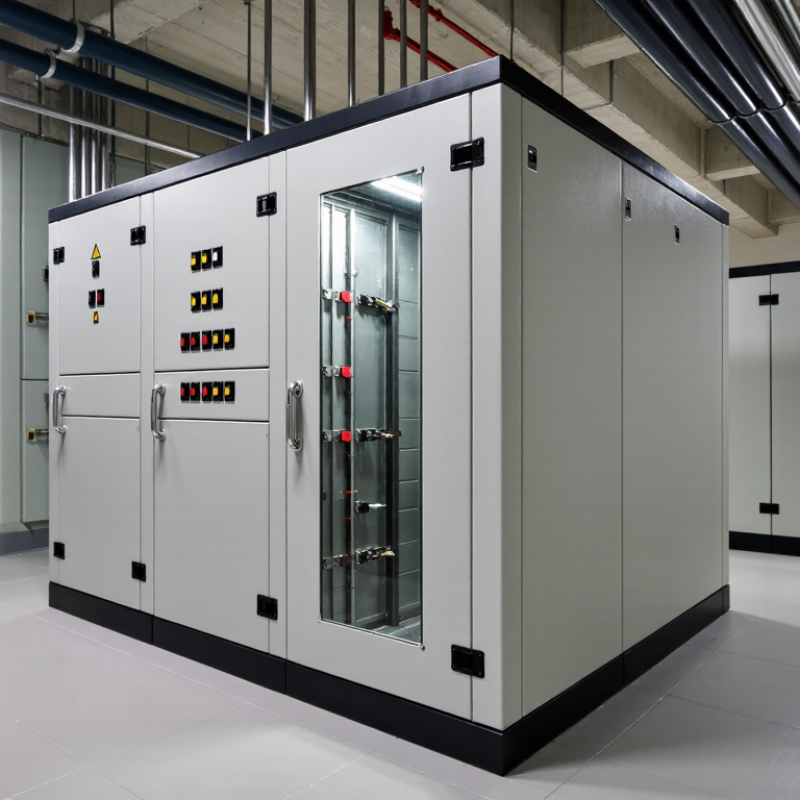
Table of Contents [Hide]
What Is an RMU Electrical Panel?
What Is an RMU Electrical Panel?
An RMU, or ring main unit, is compact medium-voltage switchgear used to distribute electricity through a ring network. It typically combines load-break switches, circuit breakers or fuses, and earthing switches inside a metal enclosure. Operators can isolate a cable section or transformer feeder while other parts of the ring remain energized, depending on the network design. That is the practical value: a fault does not always require a wider outage.
IEC 62271-200 covers metal-enclosed switchgear for alternating-current systems above 1 kV and up to 52 kV. An RMU’s actual functions depend on its configuration, protection settings, and rated voltage—not simply its enclosure. Check the single-line diagram, short-circuit rating, and operating sequence before specifying one. Small details matter.
The International Energy Agency’s 2023 report, Electricity Grids and Secure Energy Transitions, says annual grid investment needs to rise from about USD 300 billion to over USD 600 billion by 2030. The figure describes grid investment overall, not RMUs specifically, but it highlights the pressure to modernize distribution networks. In the field, access for cable termination and clear position indicators can matter as much as a compact footprint. A sealed unit still needs appropriate inspection and maintenance. And selection can be imperfect: site conditions and operating habits are sometimes harder to predict than the datasheet suggests.

© Copyright - Pro Tool & Supply - Site by SVM E-Marketing Solutions - Sitemap
- Privacy policy