- Products
- Air Compressors & Air Tools
- Climate Control
- Compaction Equipment
- Concrete Cutting Tools & Equipment
- Concrete and Masonry
- Demolition & Excavation
- Electrical & Mechanical
- Fasteners and Anchoring Adhesives
- Floor Protection
- Generators and Welders
- Hand Tools
- Heaters
- Janitorial and Office Supplies
- Jobsite Protection
- Ladders & Storage
- Lighting & Lighting Accessories
- Man Lifts
- Material Handling Equipment
- Power Tools
- Pressure Washers & Pumps
- Safety Gear
- Safety Products
- Saws
- Surface Preparation
- SEASONAL PRODUCTS
- Rentals
- Air Compressor and Air Tool Rentals
- Climate Control Rental
- Compaction Rentals
- Concrete Equipment Rentals
- Demolition & Excavation Equipment Rentals
- Concrete Floor Grinder Rentals
- General Construction Equipment Rentals
- Generator Rentals and Welder Rentals
- Heater Rentals
- Light Tower Rentals
- Man Lift Rentals in Massachusetts and Rhode Island
- Material Handling Equipment Rentals
- Pressure Washer & Pump Rentals
- Saw Rentals in New England
- SEASONAL PRODUCTS
- Products
- Air Compressors & Air Tools
- Climate Control
- Compaction Equipment
- Concrete Cutting Tools & Equipment
- Demolition & Excavation
- Electrical & Mechanical
- Floor Protection
- Generators and Welders
- Construction Heaters
- Construction Ladders, Staging, & Storage
- Construction Lighting
- Man Lifts
- Material Handling Equipment
- Industrial Janitorial and Office Supplies
- Pressure Washers & Pumps
- Construction Safety Products
- Construction Safety Gear
- Surface Preparation
- Building Protection
- Diesel Accessories
- Zero Emissions
- Rentals
- Air Compressor and Air Tool Rentals
- Climate Control Rental
- Compaction Rentals
- Concrete Equipment Rental
- Demolition & Excavation Equipment Rental
- General Construction Equipment Rental
- Generator Rentals and Welder Rentals
- Construction Heaters Rental
- Light Tower Rentals
- Man Lift Rentals
- Material Handling Equipment Rental
- Pressure Washer & Pump Rentals
- Saw Rentals in New England
- Concrete Floor Grinder Rentals
- Zero Emissions Rentals
- Repairs & Used
- Parts
- Blog
- Services
- Resources
- About Us
- Contact Us
Sales & Rental of Construction | Industrial Equipment & Supplies

What Are the Top RFID Tags for Asset Tracking?
Choosing the right RFID solution can transform asset tracking from manual searching into a clearer, faster process. Rfid Tags For Asset Tracking help teams identify equipment, containers, tools, and other valuable items with fewer visual checks. However, no single tag performs perfectly in every environment.
A tag’s material, frequency, read range, and attachment method all matter. A warehouse label may work well on cardboard boxes. It may fail near metal shelving or liquid-filled containers. Rugged on-metal tags often suit machinery, while compact inlays may fit returnable packaging. Active RFID tags can support longer-range monitoring, but they usually require batteries and higher maintenance.
This guide compares practical tag types for different asset-tracking conditions. It considers durability, scanning distance, memory, environmental exposure, and installation costs. Real-world testing remains essential. A tag that reads reliably in a clean office may struggle beside a busy loading dock. Small details matter, such as adhesive strength, reader placement, and the angle of a handheld scanner.
Good recommendations should come from documented testing and relevant industry experience. Teams should pilot tags on representative assets before making a large purchase. Record missed reads, damaged tags, battery life, and worker feedback. That evidence is more useful than attractive product claims.
There is no perfect choice.
Even experienced teams can overlook changing temperatures, cleaning chemicals, or crowded storage areas. This guide recognizes those limitations and focuses on dependable selection rather than unrealistic promises. The best RFID tag is the one that remains readable, secure, and practical throughout the asset’s working life.
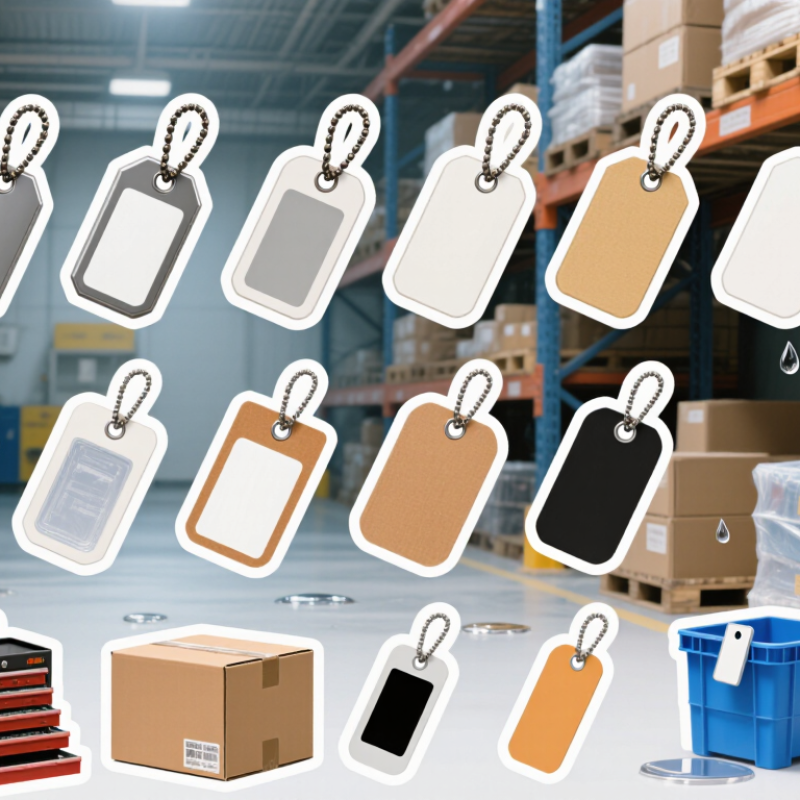
Table of Contents [Hide]
RFID Tag Basics for Asset Tracking
RFID Tag Basics for Asset Tracking
The best RFID tag is not always the strongest or most expensive. It must match the asset, surface, environment, and reading distance. Passive UHF tags, based on EPC Gen2v2 and ISO/IEC 18000-63, suit many warehouses and equipment rooms. They need no battery and can be scanned without direct sight. Their small size also supports cartons, tools, returnable containers, and labeled equipment.
Tag performance changes sharply on metal, liquid, or moving machinery. On metal assets, use a raised spacer or an on-metal design. For outdoor equipment, check resistance to water, dust, heat, and cleaning chemicals. The RAIN Alliance reported more than 50 billion RAIN RFID tags sold globally in 2023, showing strong industrial adoption. Yet high volume does not guarantee accuracy. Controlled trials from the Auburn University RFID Lab have reported inventory accuracy above 95% when tags, readers, and processes were properly configured. Real sites can perform worse.
Tips: Test tags on the actual asset before purchasing. Record read distance, missed reads, attachment method, and damage after handling. Keep a small sample for repeated testing. Do not trust a single doorway test. A tag may read well at rest but fail inside a crowded metal cage. That is an easy detail to overlook. Review data quality weekly, because incorrect placement can quietly create false confidence.
© Copyright - Pro Tool & Supply - Site by SVM E-Marketing Solutions - Sitemap
- Privacy policy