- Products
- Air Compressors & Air Tools
- Climate Control
- Compaction Equipment
- Concrete Cutting Tools & Equipment
- Concrete and Masonry
- Demolition & Excavation
- Electrical & Mechanical
- Fasteners and Anchoring Adhesives
- Floor Protection
- Generators and Welders
- Hand Tools
- Heaters
- Janitorial and Office Supplies
- Jobsite Protection
- Ladders & Storage
- Lighting & Lighting Accessories
- Man Lifts
- Material Handling Equipment
- Power Tools
- Pressure Washers & Pumps
- Safety Gear
- Safety Products
- Saws
- Surface Preparation
- SEASONAL PRODUCTS
- Rentals
- Air Compressor and Air Tool Rentals
- Climate Control Rental
- Compaction Rentals
- Concrete Equipment Rentals
- Demolition & Excavation Equipment Rentals
- Concrete Floor Grinder Rentals
- General Construction Equipment Rentals
- Generator Rentals and Welder Rentals
- Heater Rentals
- Light Tower Rentals
- Man Lift Rentals in Massachusetts and Rhode Island
- Material Handling Equipment Rentals
- Pressure Washer & Pump Rentals
- Saw Rentals in New England
- SEASONAL PRODUCTS
- Products
- Air Compressors & Air Tools
- Climate Control
- Compaction Equipment
- Concrete Cutting Tools & Equipment
- Demolition & Excavation
- Electrical & Mechanical
- Floor Protection
- Generators and Welders
- Construction Heaters
- Construction Ladders, Staging, & Storage
- Construction Lighting
- Man Lifts
- Material Handling Equipment
- Industrial Janitorial and Office Supplies
- Pressure Washers & Pumps
- Construction Safety Products
- Construction Safety Gear
- Surface Preparation
- Building Protection
- Diesel Accessories
- Zero Emissions
- Rentals
- Air Compressor and Air Tool Rentals
- Climate Control Rental
- Compaction Rentals
- Concrete Equipment Rental
- Demolition & Excavation Equipment Rental
- General Construction Equipment Rental
- Generator Rentals and Welder Rentals
- Construction Heaters Rental
- Light Tower Rentals
- Man Lift Rentals
- Material Handling Equipment Rental
- Pressure Washer & Pump Rentals
- Saw Rentals in New England
- Concrete Floor Grinder Rentals
- Zero Emissions Rentals
- Repairs & Used
- Parts
- Blog
- Services
- Resources
- About Us
- Contact Us
Sales & Rental of Construction | Industrial Equipment & Supplies


Top Reaction Injection Molding Manufacturers in 2026
Reaction Injection Molding (RIM) helps manufacturers produce large, lightweight parts with complex shapes and smooth surfaces. The process typically mixes reactive liquid components and injects them into a mold, where they cure into a solid part. Think of an equipment cover with deep ribs, mounting points, and a finished exterior formed in one tool. That design flexibility makes RIM relevant across automotive, medical, industrial, and specialty applications.
Choosing a supplier takes more than comparing a website or a list of machines. Buyers should look for evidence of experience with the required resin system, part dimensions, annual volumes, tooling, and quality controls. Ask how a prospective manufacturer manages prototypes, dimensional checks, color consistency, and production changes. Details matter. A capable partner should also explain limitations clearly, including where another process may fit better. This guide to Top Reaction Injection Molding Manufacturers in 2026 offers a practical starting point for comparing providers, not a substitute for technical qualification. Capabilities can change, and public descriptions may leave important questions unanswered. Confirm current equipment, certifications, capacity, and project references directly before making a shortlist. The right choice depends on the part, not just the supplier’s name. A modest caveat: even careful comparisons cannot predict every production issue. The most reliable decision comes from matching documented capabilities to your specifications and discussing risks early.
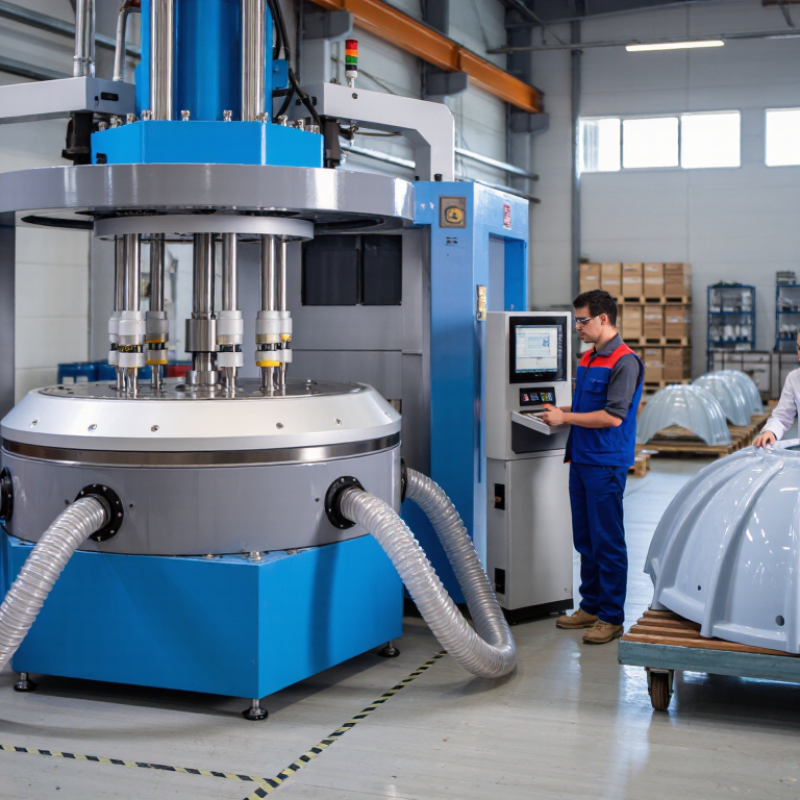
Table of Contents [Hide]
Understanding Reaction Injection Molding and Its Applications
Reaction injection molding (RIM) makes parts by mixing reactive liquid components and injecting them into a closed mold. The mixture reacts inside the cavity and cures into a solid component. Compared with many high-pressure molding methods, RIM uses relatively low injection pressure, which can support large parts and less massive tooling. That does not make process control simple. Temperature, mix ratio, flow paths, and vent placement all affect filling, curing, and surface quality. A thin rib may fill differently from a broad panel, so mold trials matter.
RIM is used for applications such as vehicle interior panels, equipment covers, and durable housings. Designers value the potential for lightweight parts with complex shapes and varied wall thicknesses. Small details matter. Material choice must match the part’s real conditions, including heat, sunlight, impact, and cleaning chemicals. A resin that performs well indoors may not suit outdoor exposure. Inserts and mounting points also need careful planning, since stress can gather around them. Not every shape works. RIM can be a poor fit when tight tolerances or a high-gloss finish are essential; those targets may require extra tooling work and inspection.

© Copyright - Pro Tool & Supply - Site by SVM E-Marketing Solutions - Sitemap
- Privacy policy