- Products
- Air Compressors & Air Tools
- Climate Control
- Compaction Equipment
- Concrete Cutting Tools & Equipment
- Concrete and Masonry
- Demolition & Excavation
- Electrical & Mechanical
- Fasteners and Anchoring Adhesives
- Floor Protection
- Generators and Welders
- Hand Tools
- Heaters
- Janitorial and Office Supplies
- Jobsite Protection
- Ladders & Storage
- Lighting & Lighting Accessories
- Man Lifts
- Material Handling Equipment
- Power Tools
- Pressure Washers & Pumps
- Safety Gear
- Safety Products
- Saws
- Surface Preparation
- SEASONAL PRODUCTS
- Rentals
- Air Compressor and Air Tool Rentals
- Climate Control Rental
- Compaction Rentals
- Concrete Equipment Rentals
- Demolition & Excavation Equipment Rentals
- Concrete Floor Grinder Rentals
- General Construction Equipment Rentals
- Generator Rentals and Welder Rentals
- Heater Rentals
- Light Tower Rentals
- Man Lift Rentals in Massachusetts and Rhode Island
- Material Handling Equipment Rentals
- Pressure Washer & Pump Rentals
- Saw Rentals in New England
- SEASONAL PRODUCTS
- Products
- Air Compressors & Air Tools
- Climate Control
- Compaction Equipment
- Concrete Cutting Tools & Equipment
- Demolition & Excavation
- Electrical & Mechanical
- Floor Protection
- Generators and Welders
- Construction Heaters
- Construction Ladders, Staging, & Storage
- Construction Lighting
- Man Lifts
- Material Handling Equipment
- Industrial Janitorial and Office Supplies
- Pressure Washers & Pumps
- Construction Safety Products
- Construction Safety Gear
- Surface Preparation
- Building Protection
- Diesel Accessories
- Zero Emissions
- Rentals
- Air Compressor and Air Tool Rentals
- Climate Control Rental
- Compaction Rentals
- Concrete Equipment Rental
- Demolition & Excavation Equipment Rental
- General Construction Equipment Rental
- Generator Rentals and Welder Rentals
- Construction Heaters Rental
- Light Tower Rentals
- Man Lift Rentals
- Material Handling Equipment Rental
- Pressure Washer & Pump Rentals
- Saw Rentals in New England
- Concrete Floor Grinder Rentals
- Zero Emissions Rentals
- Repairs & Used
- Parts
- Blog
- Services
- Resources
- About Us
- Contact Us
Sales & Rental of Construction | Industrial Equipment & Supplies


Top 10 Portable Gas Detectors for Global Buyers
Gas hazards rarely announce themselves. A leak may be invisible, odorless, and already dangerous before a worker notices symptoms. A Portable Gas Detector can provide an early warning, but only when its sensors match the gases present and its alarms remain clear in noisy, busy work areas. For global buyers, the decision involves more than price: sensor life, response time, battery performance, data logging, service access, and regional approvals all deserve attention.
The scale of workplace risk is substantial. The International Labour Organization’s 2019 report, Safety and Health at the Heart of the Future of Work, estimated 2.78 million work-related deaths and 374 million non-fatal occupational injuries each year. These figures cover many hazards, not gas exposure alone, but they underline why dependable monitoring matters. Practical details count. Can a gloved operator read the screen outdoors? Can a technician obtain calibration support nearby? Does the device suit the site’s likely gases and temperature range? NIOSH’s Pocket Guide to Chemical Hazards offers exposure information for many workplace substances; buyers can use such references to frame hazard reviews, not replace them.
This Top 10 comparison focuses on field use, core detection capabilities, and buying considerations across markets. Still, no ranking fits every site. A compact unit may be easier to carry, yet offer fewer sensors or less battery life. That trade-off is easy to overlook. Treat the list as a starting point, then confirm specifications, maintenance needs, and applicable approvals with the manufacturer and a qualified safety professional.
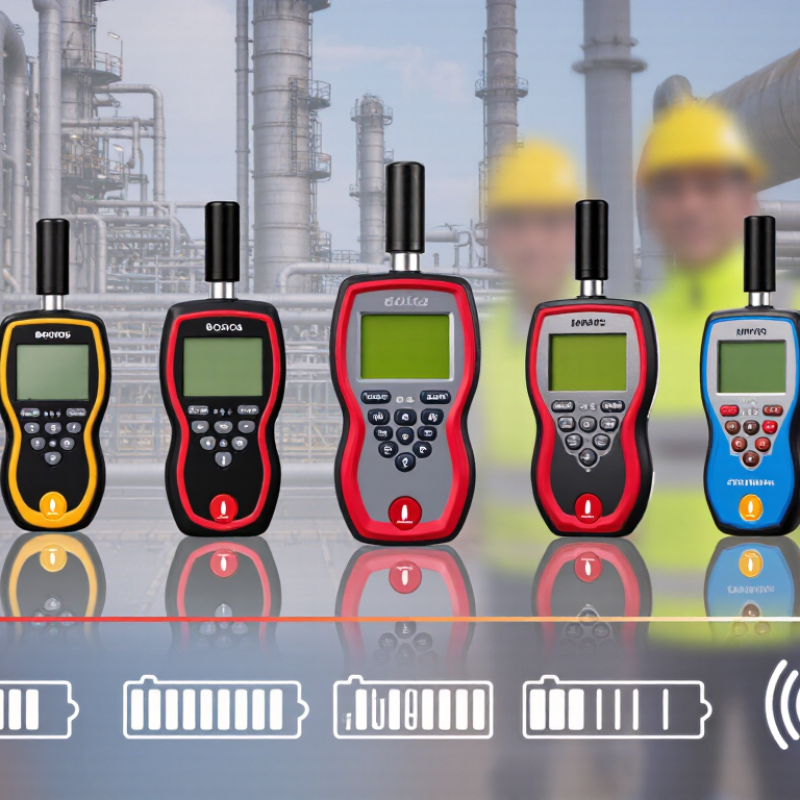
Table of Contents [Hide]
What Portable Gas Detectors Measure: Oxygen, Flammables, and Toxic Gases
A portable gas detector can track oxygen, flammable gases, and selected toxic gases, but each reading means something different. Oxygen is usually shown as a percentage by volume; too little can impair breathing, while too much can increase fire risk. Flammable gases are commonly displayed as a percentage of the lower explosive limit, or LEL. Toxic gases, such as carbon monoxide or hydrogen sulfide, are typically measured in parts per million. Small numbers can still matter. The exact gases detected depend on the instrument’s sensors.
Tips: Check the displayed gas names before entering a work area. A four-gas model may not detect every hazard. Keep the sensor inlet clear, and follow the maker’s instructions for bump testing and calibration. A blocked inlet or overdue check can make readings less dependable. That detail is easy to miss.
Readings also depend on conditions. Temperature, humidity, sensor age, and interfering gases may affect results. Sample confined or poorly ventilated spaces from a safe position, using a suitable sampling probe when needed. Wait for the reading to stabilize, and compare it with site procedures. A detector is an aid, not proof that an area is safe. It can be tempting to trust one clean reading; that deserves a second thought, especially if conditions may change.

© Copyright - Pro Tool & Supply - Site by SVM E-Marketing Solutions - Sitemap
- Privacy policy