- Products
- Air Compressors & Air Tools
- Climate Control
- Compaction Equipment
- Concrete Cutting Tools & Equipment
- Concrete and Masonry
- Demolition & Excavation
- Electrical & Mechanical
- Fasteners and Anchoring Adhesives
- Floor Protection
- Generators and Welders
- Hand Tools
- Heaters
- Janitorial and Office Supplies
- Jobsite Protection
- Ladders & Storage
- Lighting & Lighting Accessories
- Man Lifts
- Material Handling Equipment
- Power Tools
- Pressure Washers & Pumps
- Safety Gear
- Safety Products
- Saws
- Surface Preparation
- SEASONAL PRODUCTS
- Rentals
- Air Compressor and Air Tool Rentals
- Climate Control Rental
- Compaction Rentals
- Concrete Equipment Rentals
- Demolition & Excavation Equipment Rentals
- Concrete Floor Grinder Rentals
- General Construction Equipment Rentals
- Generator Rentals and Welder Rentals
- Heater Rentals
- Light Tower Rentals
- Man Lift Rentals in Massachusetts and Rhode Island
- Material Handling Equipment Rentals
- Pressure Washer & Pump Rentals
- Saw Rentals in New England
- SEASONAL PRODUCTS
- Products
- Air Compressors & Air Tools
- Climate Control
- Compaction Equipment
- Concrete Cutting Tools & Equipment
- Demolition & Excavation
- Electrical & Mechanical
- Floor Protection
- Generators and Welders
- Construction Heaters
- Construction Ladders, Staging, & Storage
- Construction Lighting
- Man Lifts
- Material Handling Equipment
- Industrial Janitorial and Office Supplies
- Pressure Washers & Pumps
- Construction Safety Products
- Construction Safety Gear
- Surface Preparation
- Building Protection
- Diesel Accessories
- Zero Emissions
- Rentals
- Air Compressor and Air Tool Rentals
- Climate Control Rental
- Compaction Rentals
- Concrete Equipment Rental
- Demolition & Excavation Equipment Rental
- General Construction Equipment Rental
- Generator Rentals and Welder Rentals
- Construction Heaters Rental
- Light Tower Rentals
- Man Lift Rentals
- Material Handling Equipment Rental
- Pressure Washer & Pump Rentals
- Saw Rentals in New England
- Concrete Floor Grinder Rentals
- Zero Emissions Rentals
- Repairs & Used
- Parts
- Blog
- Services
- Resources
- About Us
- Contact Us
Sales & Rental of Construction | Industrial Equipment & Supplies


2026 Top Pipeline Inspection Technologies You Need to Know?
As the energy sector evolves, pipeline inspection technologies become more vital than ever. According to the latest report by the American Society of Mechanical Engineers (ASME), around 80% of pipeline failures stem from inadequate inspection practices. This alarming statistic highlights the pressing need for advanced solutions in the field of Pipeline Inspection. Experts emphasize that adopting new technologies can significantly reduce these failures and improve overall safety.
John Smith, a leading authority in Pipeline Inspection, states, "Investing in innovative inspection technologies is essential for our industry's future." This insight underlines the importance of continuous improvement in inspection methodologies. As new technologies emerge, combining them with traditional methods will enhance the efficacy of inspections. However, the challenge remains constant: ensuring that all operators are trained and equipped to use these advancements effectively.
The landscape of Pipeline Inspection is shifting, presenting both opportunities and challenges. Existing technology may not always meet current demands, raising questions about reliability and effectiveness. As we explore the top pipeline inspection technologies for 2026, it is crucial to reflect on industry practices and outcomes. What will define success in our efforts to safeguard critical infrastructures?
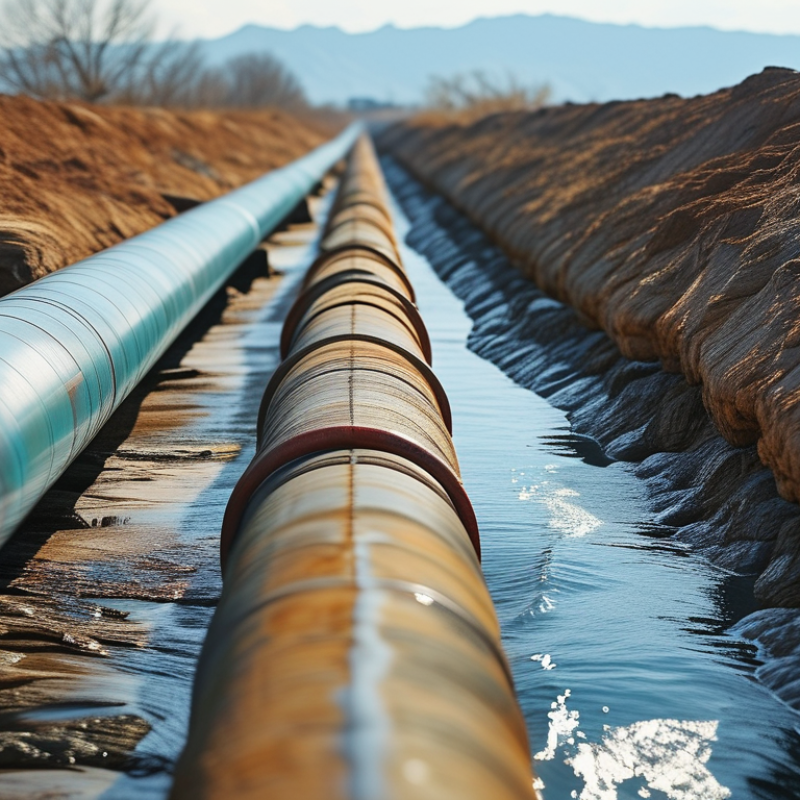
Table of Contents [Hide]
Emerging Trends in Pipeline Inspection Technologies for 2026
As we move towards 2026, the pipeline inspection industry is experiencing significant changes. Emerging technologies are set to enhance safety and efficiency in pipeline monitoring. The global market for pipeline inspection technologies is projected to grow at a CAGR of around 6.5% between 2023 and 2026, driven by the need for sustainable energy solutions and infrastructure integrity.
Drones equipped with advanced sensors are becoming a game-changer. These unmanned aircraft can access hard-to-reach areas, capturing high-resolution images and real-time data. Additionally, robotic crawlers are increasingly utilized for internal inspections, offering precise analytics on pipeline conditions. A report from the International Society of Automation indicates that these technologies reduce inspection time by up to 50% compared to traditional methods.
However, the integration of these technologies poses challenges. Data management remains critical. Organizations must sift through vast amounts of information to derive actionable insights. Moreover, concerns regarding cybersecurity are rising, as more systems become digitally connected. Companies are urged to invest in training programs for personnel to adapt to these new technologies effectively. Enhancing human oversight is essential to ensure reliability in pipeline inspection processes.

© Copyright - Pro Tool & Supply - Site by SVM E-Marketing Solutions - Sitemap
- Privacy policy