- Products
- Air Compressors & Air Tools
- Climate Control
- Compaction Equipment
- Concrete Cutting Tools & Equipment
- Concrete and Masonry
- Demolition & Excavation
- Electrical & Mechanical
- Fasteners and Anchoring Adhesives
- Floor Protection
- Generators and Welders
- Hand Tools
- Heaters
- Janitorial and Office Supplies
- Jobsite Protection
- Ladders & Storage
- Lighting & Lighting Accessories
- Man Lifts
- Material Handling Equipment
- Power Tools
- Pressure Washers & Pumps
- Safety Gear
- Safety Products
- Saws
- Surface Preparation
- SEASONAL PRODUCTS
- Rentals
- Air Compressor and Air Tool Rentals
- Climate Control Rental
- Compaction Rentals
- Concrete Equipment Rentals
- Demolition & Excavation Equipment Rentals
- Concrete Floor Grinder Rentals
- General Construction Equipment Rentals
- Generator Rentals and Welder Rentals
- Heater Rentals
- Light Tower Rentals
- Man Lift Rentals in Massachusetts and Rhode Island
- Material Handling Equipment Rentals
- Pressure Washer & Pump Rentals
- Saw Rentals in New England
- SEASONAL PRODUCTS
- Products
- Air Compressors & Air Tools
- Climate Control
- Compaction Equipment
- Concrete Cutting Tools & Equipment
- Demolition & Excavation
- Electrical & Mechanical
- Floor Protection
- Generators and Welders
- Construction Heaters
- Construction Ladders, Staging, & Storage
- Construction Lighting
- Man Lifts
- Material Handling Equipment
- Industrial Janitorial and Office Supplies
- Pressure Washers & Pumps
- Construction Safety Products
- Construction Safety Gear
- Surface Preparation
- Building Protection
- Diesel Accessories
- Zero Emissions
- Rentals
- Air Compressor and Air Tool Rentals
- Climate Control Rental
- Compaction Rentals
- Concrete Equipment Rental
- Demolition & Excavation Equipment Rental
- General Construction Equipment Rental
- Generator Rentals and Welder Rentals
- Construction Heaters Rental
- Light Tower Rentals
- Man Lift Rentals
- Material Handling Equipment Rental
- Pressure Washer & Pump Rentals
- Saw Rentals in New England
- Concrete Floor Grinder Rentals
- Zero Emissions Rentals
- Repairs & Used
- Parts
- Blog
- Services
- Resources
- About Us
- Contact Us
Sales & Rental of Construction | Industrial Equipment & Supplies


2026 Top Non Aging Foam Sandwich Panel for Global Buyers?
Global buyers are entering 2026 with sharper expectations for insulated building materials. Energy performance, moisture control, fire safety, and verified service life now influence purchasing decisions. The Non-Aging Foam Sandwich Panel is gaining attention because it combines a lightweight core with protective metal facings. Yet “non-aging” should not mean permanent or maintenance-free. No panel escapes ultraviolet exposure, water ingress, installation errors, or chemical attack.
The urgency is measurable. The 2023 Global Status Report for Buildings and Construction, published by UNEP and GlobalABC, reported that buildings and construction generated approximately 37% of global energy and process-related carbon emissions in 2022. Better envelopes can reduce heating and cooling demand. However, insulation claims require evidence. Buyers should request thermal-conductivity data, density records, dimensional stability results, and documented fire classifications. Standards such as EN 14509 and ASTM C518 provide useful reference points for factory-made panels and thermal testing. They do not replace project-specific verification.
Field experience also matters. A panel may look sound while its joints admit humid air behind the cladding. That hidden moisture can reduce performance and accelerate corrosion. Look closely at edge seals, fasteners, core continuity, and cold-room transitions. Small details matter.
This 2026 guide compares leading options through a practical lens: tested performance, climate suitability, supplier traceability, installation quality, and total lifecycle value. Industry reports help frame the market, but laboratory data and site evidence deserve greater weight. That distinction is easy to miss. It may also change the final buying decision.
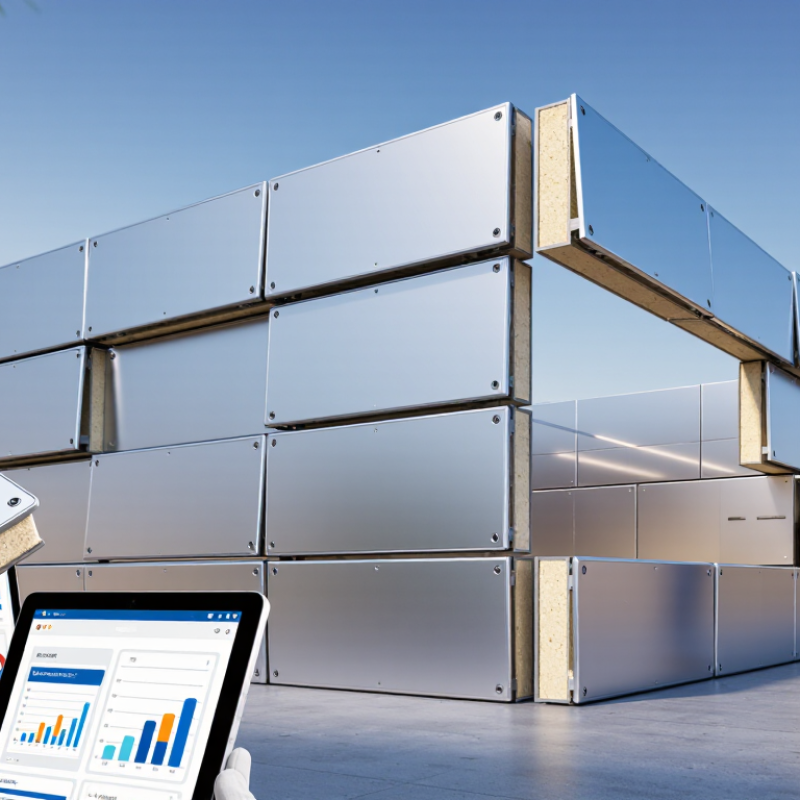
Table of Contents [Hide]
What Is a Non-Aging Foam Sandwich Panel?
A non-aging foam sandwich panel is an insulated building component designed to retain its structure and thermal performance for many years. It usually combines two protective skins with a lightweight foam core. Common skins include coated steel, aluminum, or reinforced composite sheets. The core may use rigid polyurethane, polyisocyanurate, or similar closed-cell foam.
The phrase “non-aging” does not mean the panel lasts forever. It describes resistance to moisture absorption, dimensional change, corrosion, and thermal decline under suitable conditions. A well-made panel can help maintain stable indoor temperatures in warehouses, cold rooms, workshops, and modular buildings. Its smooth surfaces also reduce cleaning time. Details matter. Poor joint sealing can allow water into the edges, even when the core performs well.
From field inspections, installation often determines service life as much as material selection. Panels need accurate cutting, protected edges, compatible fasteners, and sealed connections around doors and roof penetrations. Repeated heating and cooling may expose weak joints over time. This is where product testing and documented performance data become important. Buyers should review thermal conductivity, fire behavior, load capacity, corrosion resistance, and expected service conditions. A panel may perform excellently in a dry warehouse but require stronger protection in coastal or humid environments. The term “non-aging” can sound too absolute, so careful buyers should question the test period, installation limits, and maintenance requirements.

© Copyright - Pro Tool & Supply - Site by SVM E-Marketing Solutions - Sitemap
- Privacy policy