- Products
- Air Compressors & Air Tools
- Climate Control
- Compaction Equipment
- Concrete Cutting Tools & Equipment
- Concrete and Masonry
- Demolition & Excavation
- Electrical & Mechanical
- Fasteners and Anchoring Adhesives
- Floor Protection
- Generators and Welders
- Hand Tools
- Heaters
- Janitorial and Office Supplies
- Jobsite Protection
- Ladders & Storage
- Lighting & Lighting Accessories
- Man Lifts
- Material Handling Equipment
- Power Tools
- Pressure Washers & Pumps
- Safety Gear
- Safety Products
- Saws
- Surface Preparation
- SEASONAL PRODUCTS
- Rentals
- Air Compressor and Air Tool Rentals
- Climate Control Rental
- Compaction Rentals
- Concrete Equipment Rentals
- Demolition & Excavation Equipment Rentals
- Concrete Floor Grinder Rentals
- General Construction Equipment Rentals
- Generator Rentals and Welder Rentals
- Heater Rentals
- Light Tower Rentals
- Man Lift Rentals in Massachusetts and Rhode Island
- Material Handling Equipment Rentals
- Pressure Washer & Pump Rentals
- Saw Rentals in New England
- SEASONAL PRODUCTS
- Products
- Air Compressors & Air Tools
- Climate Control
- Compaction Equipment
- Concrete Cutting Tools & Equipment
- Demolition & Excavation
- Electrical & Mechanical
- Floor Protection
- Generators and Welders
- Construction Heaters
- Construction Ladders, Staging, & Storage
- Construction Lighting
- Man Lifts
- Material Handling Equipment
- Industrial Janitorial and Office Supplies
- Pressure Washers & Pumps
- Construction Safety Products
- Construction Safety Gear
- Surface Preparation
- Building Protection
- Diesel Accessories
- Zero Emissions
- Rentals
- Air Compressor and Air Tool Rentals
- Climate Control Rental
- Compaction Rentals
- Concrete Equipment Rental
- Demolition & Excavation Equipment Rental
- General Construction Equipment Rental
- Generator Rentals and Welder Rentals
- Construction Heaters Rental
- Light Tower Rentals
- Man Lift Rentals
- Material Handling Equipment Rental
- Pressure Washer & Pump Rentals
- Saw Rentals in New England
- Concrete Floor Grinder Rentals
- Zero Emissions Rentals
- Repairs & Used
- Parts
- Blog
- Services
- Resources
- About Us
- Contact Us
Sales & Rental of Construction | Industrial Equipment & Supplies


Top 5 Mooring Data Buoys You Need to Know About?
Mooring Data Buoys play a vital role in marine data collection. According to the National Oceanic and Atmospheric Administration (NOAA), these buoys provide essential information regarding ocean conditions. They help in understanding weather patterns, current speeds, and temperature fluctuations. Reliable data from these buoys are crucial for both researchers and maritime industries.
In recent years, advancements in buoy technology have enhanced their capabilities. For instance, modern buoys can now transmit real-time data via satellite, improving response times for critical situations. A report by the Marine Technology Society indicated that over 75% of oceanographic data comes from these devices. This statistic highlights their significance in oceanographic research and safety measures.
However, challenges persist. Maintaining buoy functionality in harsh conditions can be difficult. Some buoys may fail to provide accurate readings due to environmental impacts. Continuous improvement and innovation in this field are necessary. Understanding the top types of Mooring Data Buoys can aid industries in selecting the best options for their specific needs.
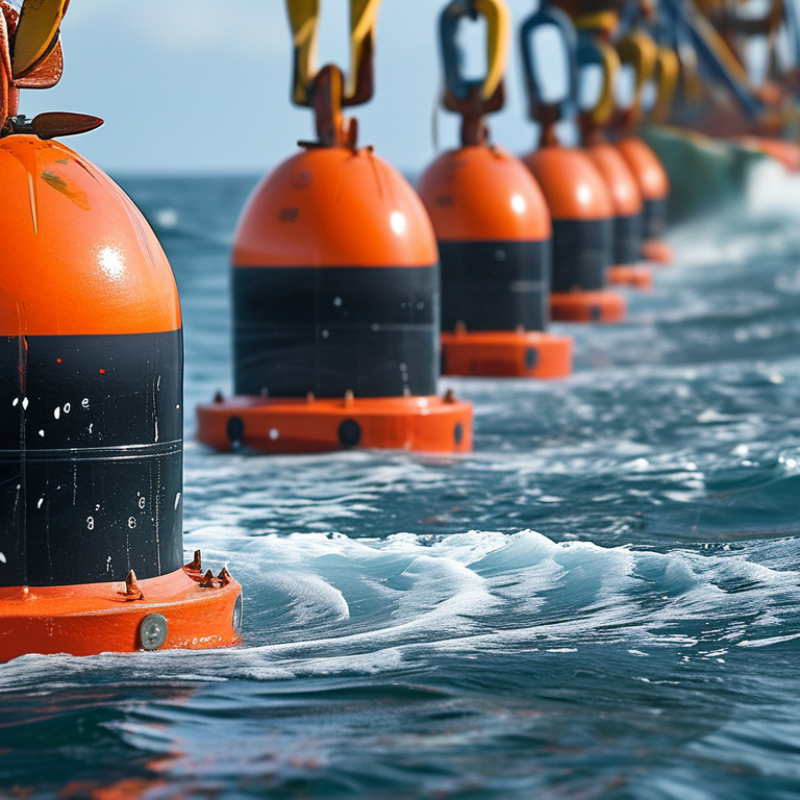
Table of Contents [Hide]
Overview of Mooring Data Buoys and Their Importance
Mooring data buoys play a crucial role in marine and environmental research. These buoys collect vital oceanographic data, including wave heights, temperature, and salinity. Such information supports weather forecasting, climate monitoring, and marine safety. Their ability to operate in harsh conditions makes them invaluable for understanding our oceans.
The data provided by these buoys can also reveal patterns in ocean currents and marine life behaviors. Researchers analyze this information to predict storms, assess marine health, and track changes in water quality. Some buoys even feature advanced sensors for detecting pollutants. However, it is essential to regularly calibrate these devices to ensure data accuracy.
Despite their importance, there is a persistent challenge in buoy maintenance and data transmission. Remote locations can limit access, and harsh weather may damage equipment. This can lead to gaps in data, which complicates analyses. Ensuring these buoys function optimally requires both significant investment and dedicated research efforts. The journey of enhancing mooring buoy deployment is ongoing.

© Copyright - Pro Tool & Supply - Site by SVM E-Marketing Solutions - Sitemap
- Privacy policy