- Products
- Air Compressors & Air Tools
- Climate Control
- Compaction Equipment
- Concrete Cutting Tools & Equipment
- Concrete and Masonry
- Demolition & Excavation
- Electrical & Mechanical
- Fasteners and Anchoring Adhesives
- Floor Protection
- Generators and Welders
- Hand Tools
- Heaters
- Janitorial and Office Supplies
- Jobsite Protection
- Ladders & Storage
- Lighting & Lighting Accessories
- Man Lifts
- Material Handling Equipment
- Power Tools
- Pressure Washers & Pumps
- Safety Gear
- Safety Products
- Saws
- Surface Preparation
- SEASONAL PRODUCTS
- Rentals
- Air Compressor and Air Tool Rentals
- Climate Control Rental
- Compaction Rentals
- Concrete Equipment Rentals
- Demolition & Excavation Equipment Rentals
- Concrete Floor Grinder Rentals
- General Construction Equipment Rentals
- Generator Rentals and Welder Rentals
- Heater Rentals
- Light Tower Rentals
- Man Lift Rentals in Massachusetts and Rhode Island
- Material Handling Equipment Rentals
- Pressure Washer & Pump Rentals
- Saw Rentals in New England
- SEASONAL PRODUCTS
- Products
- Air Compressors & Air Tools
- Climate Control
- Compaction Equipment
- Concrete Cutting Tools & Equipment
- Demolition & Excavation
- Electrical & Mechanical
- Floor Protection
- Generators and Welders
- Construction Heaters
- Construction Ladders, Staging, & Storage
- Construction Lighting
- Man Lifts
- Material Handling Equipment
- Industrial Janitorial and Office Supplies
- Pressure Washers & Pumps
- Construction Safety Products
- Construction Safety Gear
- Surface Preparation
- Building Protection
- Diesel Accessories
- Zero Emissions
- Rentals
- Air Compressor and Air Tool Rentals
- Climate Control Rental
- Compaction Rentals
- Concrete Equipment Rental
- Demolition & Excavation Equipment Rental
- General Construction Equipment Rental
- Generator Rentals and Welder Rentals
- Construction Heaters Rental
- Light Tower Rentals
- Man Lift Rentals
- Material Handling Equipment Rental
- Pressure Washer & Pump Rentals
- Saw Rentals in New England
- Concrete Floor Grinder Rentals
- Zero Emissions Rentals
- Repairs & Used
- Parts
- Blog
- Services
- Resources
- About Us
- Contact Us
Sales & Rental of Construction | Industrial Equipment & Supplies


Top Machine Tools for Precision Engineering You Need to Know About
In the realm of precision engineering, the significance of machine tools cannot be overstated. These sophisticated devices are the backbone of modern manufacturing, enabling engineers to create intricate components with unparalleled accuracy. As industries continue to evolve, the demand for advanced machine tools that enhance precision, efficiency, and productivity has surged. This article delves into the top machine tools that are essential for engineers aiming to achieve high standards in their work.
With a variety of options available, selecting the right machine tool can be critical to achieving desired outcomes in both design and production. From CNC machines to lathes and milling machines, each type plays a unique role in the manufacturing process, contributing to the precision engineering landscape. Understanding the features and capabilities of these tools will equip professionals with the knowledge necessary to make informed choices that fit their specific needs and applications. As we explore these essential machine tools, we will highlight their importance in driving innovation and maintaining competitive advantages in the fast-paced engineering sector.
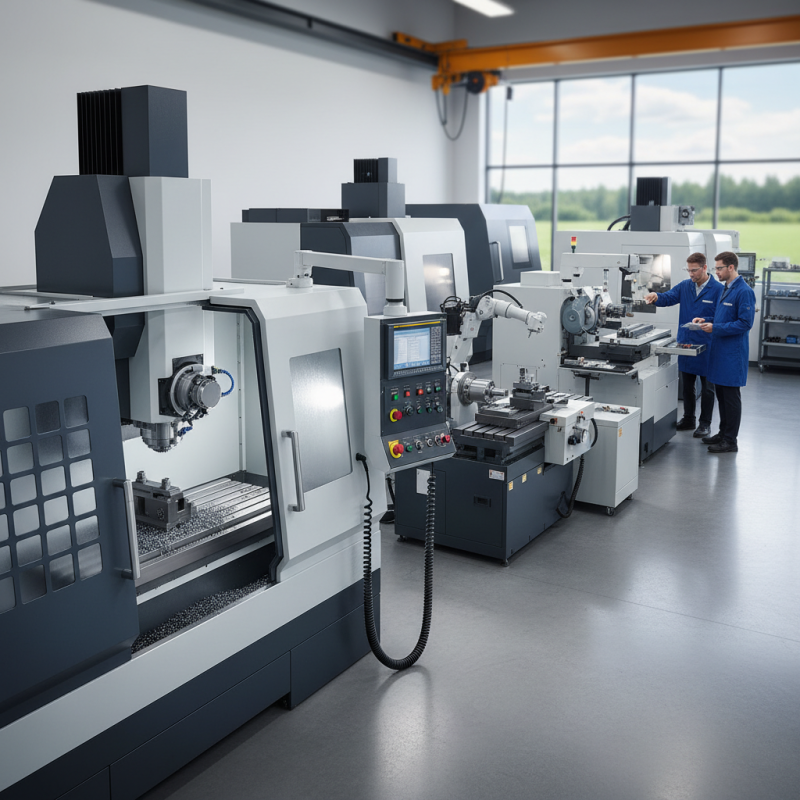
Table of Contents
[Hide]
Key Factors Defining Precision Engineering in Machine Tools
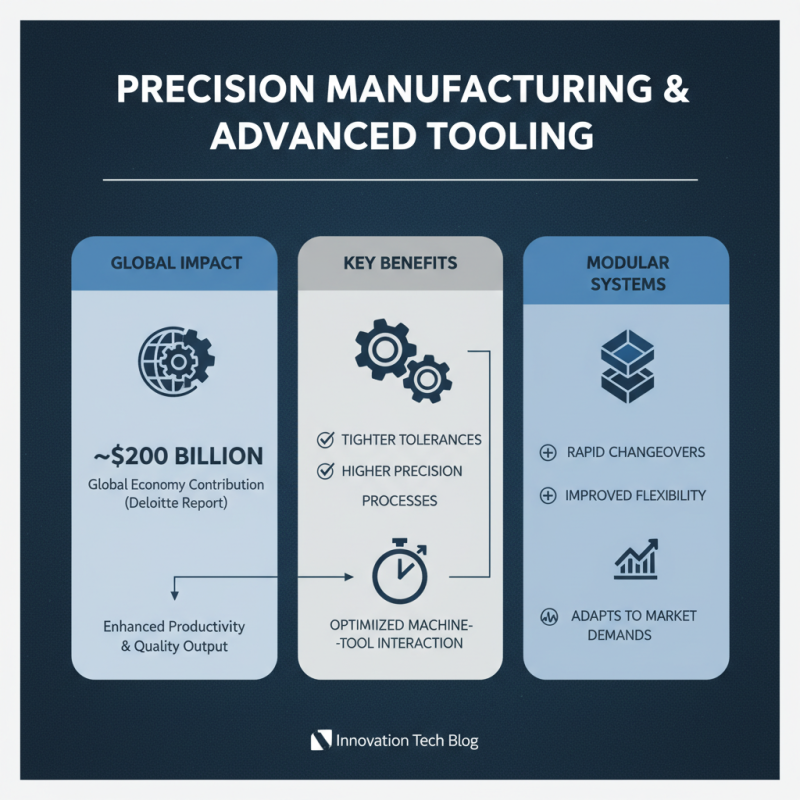
Precision engineering is critical in the manufacturing sector, significantly influencing the performance and quality of machine tools. Key factors defining precision engineering encompass accuracy, repeatability, and reliability. According to a report by the International Federation of Robotics, precision machining processes have seen a growth of approximately 10% annually, highlighting the increasing demand for accuracy in automated systems. This emphasizes the necessity for tools designed to minimize tolerances and enhance output consistency, shaping the standards by which manufacturers operate.
Moreover, machine tools are not only evaluated on their ability to cut materials but also on their capacity to maintain precision under various operational conditions. Factors such as thermal stability, vibration damping, and the design of tool paths directly influence production quality. A study conducted by the Manufacturing Technology Centre suggests that improvements in these areas can lead to a 15% increase in machining efficiency and a 20% reduction in waste, underscoring the importance of innovation in the development of precision engineering tools. As manufacturers strive towards enhanced productivity, continual investment in research and development within machine tools remains essential for achieving superior precision standards.
Related Posts
-
2025 Top 5 Air Compressors for Air Tools You Should Consider
-

2025 Guide: How to Choose the Best Electric Heaters for Your Home
-
How to Choose the Right Concrete Tools for Your DIY Projects: Expert Tips & Trends
-
Top 5 Essential Hand Tools Every DIY Enthusiast Should Own
-
Unlocking the Power of All Tools for Everyday Productivity and Creativity
-
Exploring the Evolution of Shop Tools from Handheld Gadgets to Smart Technology

© Copyright - Pro Tool & Supply - Site by SVM E-Marketing Solutions - Sitemap
- Privacy policy