- Products
- Air Compressors & Air Tools
- Climate Control
- Compaction Equipment
- Concrete Cutting Tools & Equipment
- Concrete and Masonry
- Demolition & Excavation
- Electrical & Mechanical
- Fasteners and Anchoring Adhesives
- Floor Protection
- Generators and Welders
- Hand Tools
- Heaters
- Janitorial and Office Supplies
- Jobsite Protection
- Ladders & Storage
- Lighting & Lighting Accessories
- Man Lifts
- Material Handling Equipment
- Power Tools
- Pressure Washers & Pumps
- Safety Gear
- Safety Products
- Saws
- Surface Preparation
- SEASONAL PRODUCTS
- Rentals
- Air Compressor and Air Tool Rentals
- Climate Control Rental
- Compaction Rentals
- Concrete Equipment Rentals
- Demolition & Excavation Equipment Rentals
- Concrete Floor Grinder Rentals
- General Construction Equipment Rentals
- Generator Rentals and Welder Rentals
- Heater Rentals
- Light Tower Rentals
- Man Lift Rentals in Massachusetts and Rhode Island
- Material Handling Equipment Rentals
- Pressure Washer & Pump Rentals
- Saw Rentals in New England
- SEASONAL PRODUCTS
- Products
- Air Compressors & Air Tools
- Climate Control
- Compaction Equipment
- Concrete Cutting Tools & Equipment
- Demolition & Excavation
- Electrical & Mechanical
- Floor Protection
- Generators and Welders
- Construction Heaters
- Construction Ladders, Staging, & Storage
- Construction Lighting
- Man Lifts
- Material Handling Equipment
- Industrial Janitorial and Office Supplies
- Pressure Washers & Pumps
- Construction Safety Products
- Construction Safety Gear
- Surface Preparation
- Building Protection
- Diesel Accessories
- Zero Emissions
- Rentals
- Air Compressor and Air Tool Rentals
- Climate Control Rental
- Compaction Rentals
- Concrete Equipment Rental
- Demolition & Excavation Equipment Rental
- General Construction Equipment Rental
- Generator Rentals and Welder Rentals
- Construction Heaters Rental
- Light Tower Rentals
- Man Lift Rentals
- Material Handling Equipment Rental
- Pressure Washer & Pump Rentals
- Saw Rentals in New England
- Concrete Floor Grinder Rentals
- Zero Emissions Rentals
- Repairs & Used
- Parts
- Blog
- Services
- Resources
- About Us
- Contact Us
Sales & Rental of Construction | Industrial Equipment & Supplies


Top Machine Tools for Efficient Global Procurement Strategies?
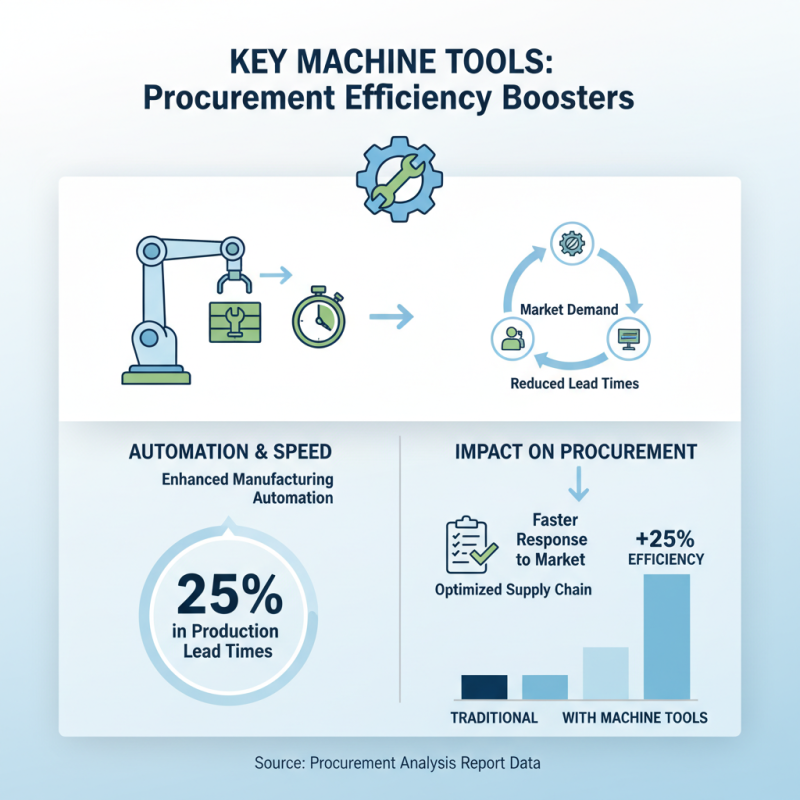
In today's competitive landscape, efficient global procurement strategies are crucial for manufacturers. Machine tools play a significant role in achieving optimal productivity. According to a recent market report by Research and Markets, the global machine tools market is expected to reach $116.52 billion by 2025. This growth highlights the importance of selecting the right tools to enhance operational efficiency.
With the rise of Industry 4.0, machine tools are evolving rapidly. These tools now incorporate advanced technologies like automation and IoT. Manufacturers must adapt their procurement strategies to integrate these innovations. A study by Deloitte found that 78% of companies recognize the importance of digital transformation in procurement. This indicates a shift toward more data-driven decision-making processes.
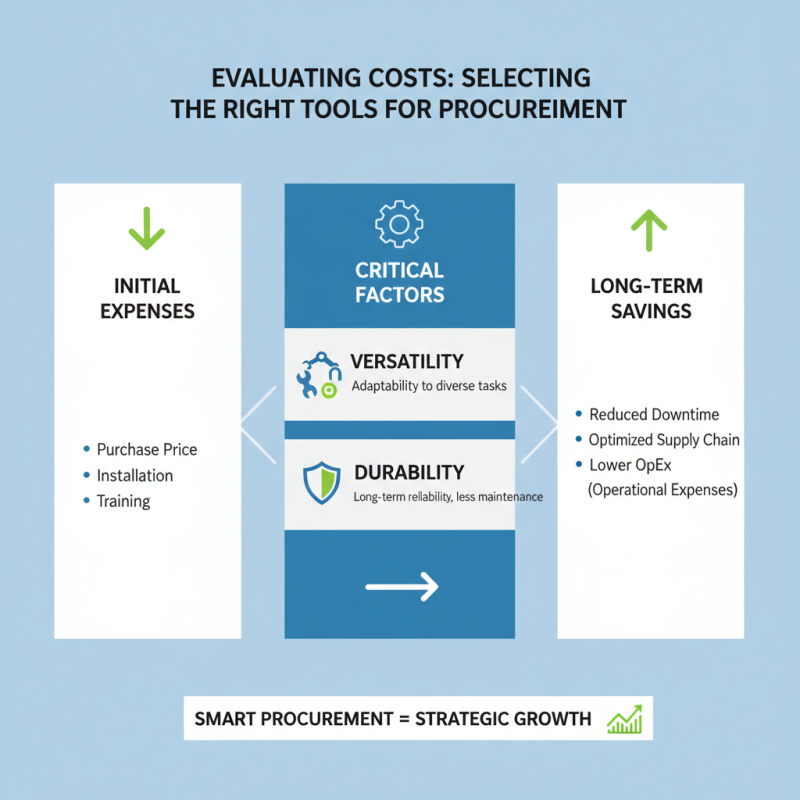
However, challenges persist in global procurement. Issues such as supply chain disruptions and fluctuating material costs can hinder efficiency. Companies need to reflect on strategies that enhance resilience and adaptability. Investing in high-quality machine tools is essential, but balancing cost-effective procurement with technological advancement remains a complex task. An informed approach can lead to better outcomes in today’s dynamic market.

Table of Contents
[Hide]
Overview of Global Procurement Strategies in Manufacturing
Global procurement strategies in manufacturing have become essential for efficient operations. These strategies help businesses minimize costs and enhance product quality. Companies often face challenges in choosing the right suppliers. It's crucial to balance quality and cost when selecting partners. Many businesses overlook the importance of close supplier relationships. Building trust can lead to better prices and improved service.
Emerging markets present unique opportunities and risks. Manufacturers might find lower prices but often contend with fluctuating quality. Local regulations can complicate procurement decisions. It's important to conduct thorough market research before entering new regions. Companies should also consider sustainability in their sourcing practices. This ensures they meet consumer expectations for ethical production.
Flexibility remains key in global procurement. Companies must adapt to changing market conditions rapidly. Many organizations find it difficult to pivot their strategies in a dynamic environment. Investing in technology can significantly enhance procurement efficiency. However, this requires careful implementation to avoid complications. Organizations should continuously evaluate and refine their strategies for optimal results.
Top Machine Tools for Efficient Global Procurement Strategies
| Machine Tool Type | Key Features | Procurement Benefits | Region of Origin | Typical Applications |
|---|---|---|---|---|
| CNC Milling Machines | High precision, automated tool changes | Reduced labor costs, increased output | Asia | Aerospace, automotive parts |
| Laser Cutting Machines | High precision, minimal kerf width | Versatile material processing, reduced waste | Europe | Metalworking, signage |
| 3D Printers | Additive manufacturing, multi-material capabilities | Lower tooling costs, rapid prototyping | North America | Prototyping, small batch production |
| Grinding Machines | Fine surface finish, high accuracy | Improved quality control, extended tool life | Japan | Tool manufacturing, precision components |
| Injection Molding Machines | High consistency, mass production capability | Cost efficiency in large quantities | China | Plastic parts, consumer goods |
Related Posts
-

Top Machine Tools for Precision Engineering You Need to Know About
-

Top Machine Tools for Precision Engineering and Their Impact on Industry?
-

Why Are All Tools Essential for Successful Project Management?
-

Essential Tips for Choosing an Air Compressor for Air Tools?
-

Top 10 New Tools Transforming Digital Workflows You Need to Know About
-

How to Choose the Right Concrete Tools for Your DIY Projects: Expert Tips & Trends

© Copyright - Pro Tool & Supply - Site by SVM E-Marketing Solutions - Sitemap
- Privacy policy