- Products
- Air Compressors & Air Tools
- Climate Control
- Compaction Equipment
- Concrete Cutting Tools & Equipment
- Concrete and Masonry
- Demolition & Excavation
- Electrical & Mechanical
- Fasteners and Anchoring Adhesives
- Floor Protection
- Generators and Welders
- Hand Tools
- Heaters
- Janitorial and Office Supplies
- Jobsite Protection
- Ladders & Storage
- Lighting & Lighting Accessories
- Man Lifts
- Material Handling Equipment
- Power Tools
- Pressure Washers & Pumps
- Safety Gear
- Safety Products
- Saws
- Surface Preparation
- SEASONAL PRODUCTS
- Rentals
- Air Compressor and Air Tool Rentals
- Climate Control Rental
- Compaction Rentals
- Concrete Equipment Rentals
- Demolition & Excavation Equipment Rentals
- Concrete Floor Grinder Rentals
- General Construction Equipment Rentals
- Generator Rentals and Welder Rentals
- Heater Rentals
- Light Tower Rentals
- Man Lift Rentals in Massachusetts and Rhode Island
- Material Handling Equipment Rentals
- Pressure Washer & Pump Rentals
- Saw Rentals in New England
- SEASONAL PRODUCTS
- Products
- Air Compressors & Air Tools
- Climate Control
- Compaction Equipment
- Concrete Cutting Tools & Equipment
- Demolition & Excavation
- Electrical & Mechanical
- Floor Protection
- Generators and Welders
- Construction Heaters
- Construction Ladders, Staging, & Storage
- Construction Lighting
- Man Lifts
- Material Handling Equipment
- Industrial Janitorial and Office Supplies
- Pressure Washers & Pumps
- Construction Safety Products
- Construction Safety Gear
- Surface Preparation
- Building Protection
- Diesel Accessories
- Zero Emissions
- Rentals
- Air Compressor and Air Tool Rentals
- Climate Control Rental
- Compaction Rentals
- Concrete Equipment Rental
- Demolition & Excavation Equipment Rental
- General Construction Equipment Rental
- Generator Rentals and Welder Rentals
- Construction Heaters Rental
- Light Tower Rentals
- Man Lift Rentals
- Material Handling Equipment Rental
- Pressure Washer & Pump Rentals
- Saw Rentals in New England
- Concrete Floor Grinder Rentals
- Zero Emissions Rentals
- Repairs & Used
- Parts
- Blog
- Services
- Resources
- About Us
- Contact Us
Sales & Rental of Construction | Industrial Equipment & Supplies


What Are the Top Intalox Saddle Types in 2026?
Intalox Saddle selection in 2026 is less about choosing a familiar shape and more about matching packing to the column’s real operating conditions. The right type can support effective vapor–liquid contact while limiting pressure drop and helping maintain stable capacity. But no single design fits every tower. Liquid load, fouling risk, material compatibility, column diameter, and access for maintenance all matter.
This guide compares common Intalox Saddle types, including ceramic, metal, and plastic options. It considers where each material may perform well, what trade-offs deserve attention, and which operating details should be checked before specifying a packing. A datasheet alone is not enough. A close review of the process conditions can reveal a mismatch before installation.
A verified industry-expert quotation was not included in the source material. To avoid inventing an attribution, this draft leaves a clear place for one: “[Insert a verified quotation from a named Intalox Saddle or mass-transfer expert.]” The final comparison should be checked against current manufacturer data and the intended service. Small details count. A packing choice that looks efficient on paper may behave differently under real plant loads.
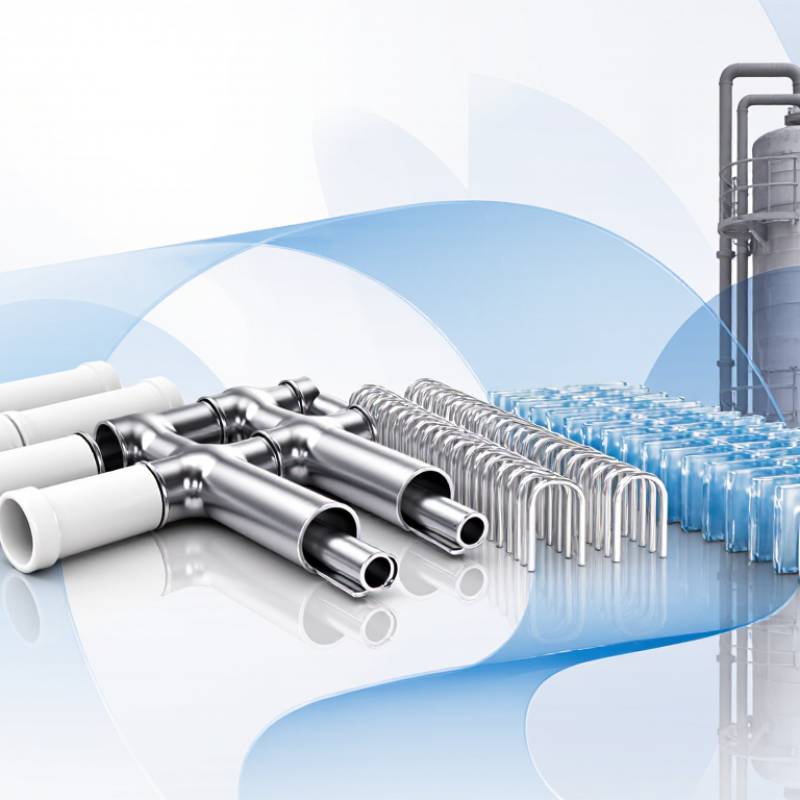
Table of Contents [Hide]
What Intalox Saddles Are and How They Work
Intalox saddles are small, shaped packing elements placed inside industrial columns. Their curved, open form creates many surfaces without closing off the space between pieces. A handful looks like a pile of ceramic or metal shells. Inside a tower, millions may form a bed that brings rising gas into contact with descending liquid.
Liquid spreads over the saddle surfaces as it flows downward. Gas passes through the open gaps and meets the wetted film, allowing heat or mass transfer between the phases. The saddle’s shape helps distribute flow and can limit resistance to gas movement compared with less open packing. Small parts matter. Poor distribution at the top can leave dry zones, even when the packing itself is well chosen.
Saddles are made from materials such as ceramic, metal, or plastic. Material choice depends on temperature, chemical conditions, mechanical loads, and the process being handled. Engineers also consider piece size, bed depth, and tower diameter; a smaller element may offer more surface area but can increase resistance to flow. That sounds neat on paper. Real towers are less tidy, and installation quality can affect performance as much as the packing geometry. A design should be checked against operating data, not selected by shape alone.

© Copyright - Pro Tool & Supply - Site by SVM E-Marketing Solutions - Sitemap
- Privacy policy