- Products
- Air Compressors & Air Tools
- Climate Control
- Compaction Equipment
- Concrete Cutting Tools & Equipment
- Concrete and Masonry
- Demolition & Excavation
- Electrical & Mechanical
- Fasteners and Anchoring Adhesives
- Floor Protection
- Generators and Welders
- Hand Tools
- Heaters
- Janitorial and Office Supplies
- Jobsite Protection
- Ladders & Storage
- Lighting & Lighting Accessories
- Man Lifts
- Material Handling Equipment
- Power Tools
- Pressure Washers & Pumps
- Safety Gear
- Safety Products
- Saws
- Surface Preparation
- SEASONAL PRODUCTS
- Rentals
- Air Compressor and Air Tool Rentals
- Climate Control Rental
- Compaction Rentals
- Concrete Equipment Rentals
- Demolition & Excavation Equipment Rentals
- Concrete Floor Grinder Rentals
- General Construction Equipment Rentals
- Generator Rentals and Welder Rentals
- Heater Rentals
- Light Tower Rentals
- Man Lift Rentals in Massachusetts and Rhode Island
- Material Handling Equipment Rentals
- Pressure Washer & Pump Rentals
- Saw Rentals in New England
- SEASONAL PRODUCTS
- Products
- Air Compressors & Air Tools
- Climate Control
- Compaction Equipment
- Concrete Cutting Tools & Equipment
- Demolition & Excavation
- Electrical & Mechanical
- Floor Protection
- Generators and Welders
- Construction Heaters
- Construction Ladders, Staging, & Storage
- Construction Lighting
- Man Lifts
- Material Handling Equipment
- Industrial Janitorial and Office Supplies
- Pressure Washers & Pumps
- Construction Safety Products
- Construction Safety Gear
- Surface Preparation
- Building Protection
- Diesel Accessories
- Zero Emissions
- Rentals
- Air Compressor and Air Tool Rentals
- Climate Control Rental
- Compaction Rentals
- Concrete Equipment Rental
- Demolition & Excavation Equipment Rental
- General Construction Equipment Rental
- Generator Rentals and Welder Rentals
- Construction Heaters Rental
- Light Tower Rentals
- Man Lift Rentals
- Material Handling Equipment Rental
- Pressure Washer & Pump Rentals
- Saw Rentals in New England
- Concrete Floor Grinder Rentals
- Zero Emissions Rentals
- Repairs & Used
- Parts
- Blog
- Services
- Resources
- About Us
- Contact Us
Sales & Rental of Construction | Industrial Equipment & Supplies


What Are the Top Industrial Tools for 2026?
Industrial tools in 2026 will be judged by more than power or purchase price. On a busy production floor, a cordless torque wrench must hold its setting through repeated shifts. A sensor-equipped cutter should flag wear before rough edges slow the line. These are practical tests, not showroom promises. Buyers will also weigh battery life, repair access, operator training, and clear performance data.
Taiichi Ohno, the Toyota production-system architect, is often credited with the principle, “Where there is no standard, there can be no kaizen.” It offers a useful lens for evaluating new equipment: smart features matter only when they improve a repeatable process. This guide examines the industrial tools likely to shape 2026, from connected measurement devices to ergonomic hand tools and efficient fabrication equipment. It considers where automation can reduce tedious work, and where skilled judgment still matters. No single tool fits every workshop. A compact machine may suit a repair bay but struggle on a high-volume line. That distinction is easy to overlook. The strongest choices will pair measurable reliability with straightforward maintenance, realistic safety training, and support from manufacturers. Some forecasts will miss the mark; procurement decisions should still rest on tested needs, not hype.
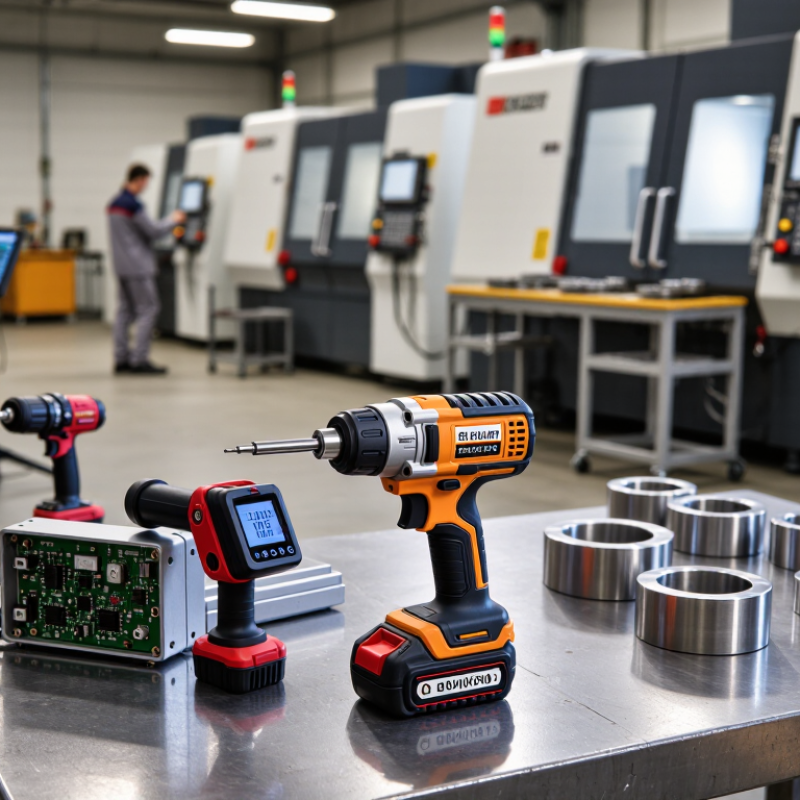
Table of Contents
[Hide]
Tool-Ranking Criteria: Compare Precision, Throughput, Safety, and Lifecycle Cost
What Are the Top Industrial Tools for 2026?
Rank tools against the job, not their catalog claims. For precision, measure repeatability across a full shift, including warm-up drift, vibration, and workpiece tolerances. Use calibrated gauges and the same measurement method for every candidate. Tight tolerances matter only when operators can maintain them. For throughput, track usable output, changeover time, and rework—not just the fastest cycle.
Safety belongs beside performance. BLS counted
2.6 million nonfatal injuries and illnesses in private industry in 2023. The rate was 2.4 cases per 100 full-time workers
(Employer-Reported Workplace Injuries and Illnesses, 2023).
Check guarding, noise, operator reach, and how easily routine maintenance can be done safely. That matters.
Lifecycle cost includes more than purchase price: energy, consumables, calibration, repairs, and downtime all add up. The U.S. Department of Energy’s Improving Compressed Air System Performance guide estimates that leaks often waste 20–30% of compressor output.
That is not a universal tool-cost estimate, but it shows why operating losses deserve attention.
Price tags mislead. A weighted score can help, but it may conceal trade-offs; show the raw measurements too.
Related Posts
-
Best 10 Construction Tools You Need for Your Next Project?
-
Top 5 Essential Hand Tools Every DIY Enthusiast Should Own
-
10 Essential Contractor Tools Every Professional Needs for Success
-
Top Hand Tools to Look Out for in 2026 Best Picks for Every DIY Enthusiast?
-

2026 Best Pro Tools for Creative Professionals to Enhance Their Workflow?
-
How to Choose Quality Hand Tools for Global Sourcing?

© Copyright - Pro Tool & Supply - Site by SVM E-Marketing Solutions - Sitemap
- Privacy policy