- Products
- Air Compressors & Air Tools
- Climate Control
- Compaction Equipment
- Concrete Cutting Tools & Equipment
- Concrete and Masonry
- Demolition & Excavation
- Electrical & Mechanical
- Fasteners and Anchoring Adhesives
- Floor Protection
- Generators and Welders
- Hand Tools
- Heaters
- Janitorial and Office Supplies
- Jobsite Protection
- Ladders & Storage
- Lighting & Lighting Accessories
- Man Lifts
- Material Handling Equipment
- Power Tools
- Pressure Washers & Pumps
- Safety Gear
- Safety Products
- Saws
- Surface Preparation
- SEASONAL PRODUCTS
- Rentals
- Air Compressor and Air Tool Rentals
- Climate Control Rental
- Compaction Rentals
- Concrete Equipment Rentals
- Demolition & Excavation Equipment Rentals
- Concrete Floor Grinder Rentals
- General Construction Equipment Rentals
- Generator Rentals and Welder Rentals
- Heater Rentals
- Light Tower Rentals
- Man Lift Rentals in Massachusetts and Rhode Island
- Material Handling Equipment Rentals
- Pressure Washer & Pump Rentals
- Saw Rentals in New England
- SEASONAL PRODUCTS
- Products
- Air Compressors & Air Tools
- Climate Control
- Compaction Equipment
- Concrete Cutting Tools & Equipment
- Demolition & Excavation
- Electrical & Mechanical
- Floor Protection
- Generators and Welders
- Construction Heaters
- Construction Ladders, Staging, & Storage
- Construction Lighting
- Man Lifts
- Material Handling Equipment
- Industrial Janitorial and Office Supplies
- Pressure Washers & Pumps
- Construction Safety Products
- Construction Safety Gear
- Surface Preparation
- Building Protection
- Diesel Accessories
- Zero Emissions
- Rentals
- Air Compressor and Air Tool Rentals
- Climate Control Rental
- Compaction Rentals
- Concrete Equipment Rental
- Demolition & Excavation Equipment Rental
- General Construction Equipment Rental
- Generator Rentals and Welder Rentals
- Construction Heaters Rental
- Light Tower Rentals
- Man Lift Rentals
- Material Handling Equipment Rental
- Pressure Washer & Pump Rentals
- Saw Rentals in New England
- Concrete Floor Grinder Rentals
- Zero Emissions Rentals
- Repairs & Used
- Parts
- Blog
- Services
- Resources
- About Us
- Contact Us
Sales & Rental of Construction | Industrial Equipment & Supplies


What Are the Top Industrial PCB Manufacturers in China?
China has become a major production base for Industrial Pcb assemblies, serving automation, energy, transportation, medical equipment, and factory-control systems. However, identifying the top manufacturers requires more than comparing factory size or export volume. A reliable supplier must show stable process control, engineering depth, traceable materials, and consistent delivery performance.
This guide examines leading Chinese PCB manufacturers through practical industry criteria. These include multilayer capability, HDI production, high-temperature materials, impedance control, surface finishes, and assembly testing. Certifications such as ISO 9001, IATF 16949, ISO 13485, and UL recognition can provide useful evidence, but certificates alone do not guarantee strong results. Factory audits, sample reviews, and quality records still matter.
Experienced buyers often inspect solder-mask consistency, copper thickness, drilling accuracy, and packaging conditions. They also ask how a supplier handles engineering changes, urgent prototypes, and field failures. A dependable manufacturer should explain these processes clearly. It should not hide behind impressive equipment photographs.
Some suppliers excel at high-volume industrial boards. Others are better suited to complex prototypes or low-volume, high-mix production. The best choice depends on your design, testing requirements, target market, and risk tolerance. No shortlist is perfect. Supplier performance may also change over time, which deserves regular review.
The following overview introduces notable Chinese manufacturers and explains where each may fit. It focuses on evidence rather than marketing claims. That approach helps engineers and procurement teams make a more informed, defensible decision.
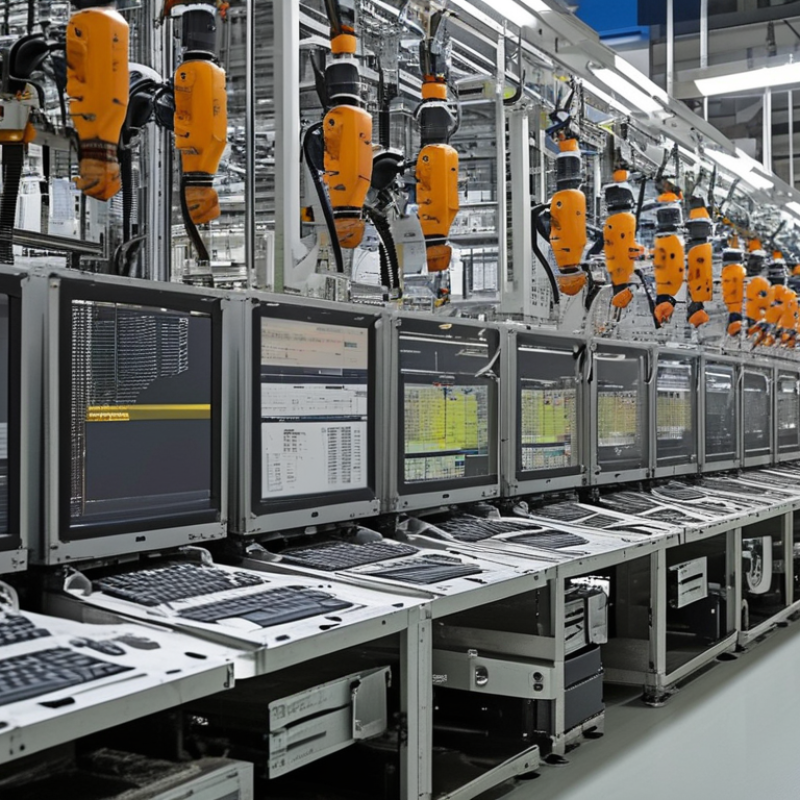
Table of Contents [Hide]
What Defines an Industrial PCB Manufacturer in China?
A genuine industrial PCB manufacturer in China is defined by controlled production, not by factory size alone. Its engineers should understand high-voltage clearances, thermal stress, signal integrity, and long operating cycles. They also need practical experience with multilayer boards, heavy copper, rigid-flex structures, and fine-pitch components.
Traceability matters. Each board should connect to material certificates, lot records, operator data, and inspection results. Reliable manufacturers commonly use automated optical inspection, electrical testing, impedance checks, X-ray inspection, and microsection analysis. Thermal cycling and humidity testing can reveal weaknesses before field installation. Quality systems such as ISO 9001, together with relevant IPC practices, provide useful evidence. They do not replace technical judgment.
An industrial supplier should also support design reviews before mass production. Engineers may identify narrow traces, weak vias, poor heat paths, or difficult assembly angles. This assistance can reduce rework and unexpected downtime. However, certification lists alone can create a false sense of confidence. A factory may present excellent documents while struggling with delivery changes or engineering communication. I would examine sample records, visit the production area when possible, and ask how failures are investigated. Details matter. The best evaluation includes small trial orders, clear acceptance criteria, and honest discussion of limits. A low quotation may look attractive, but it can hide thinner copper, weaker inspection, or unstable material sourcing. That risk deserves careful review.

© Copyright - Pro Tool & Supply - Site by SVM E-Marketing Solutions - Sitemap
- Privacy policy