- Products
- Air Compressors & Air Tools
- Climate Control
- Compaction Equipment
- Concrete Cutting Tools & Equipment
- Concrete and Masonry
- Demolition & Excavation
- Electrical & Mechanical
- Fasteners and Anchoring Adhesives
- Floor Protection
- Generators and Welders
- Hand Tools
- Heaters
- Janitorial and Office Supplies
- Jobsite Protection
- Ladders & Storage
- Lighting & Lighting Accessories
- Man Lifts
- Material Handling Equipment
- Power Tools
- Pressure Washers & Pumps
- Safety Gear
- Safety Products
- Saws
- Surface Preparation
- SEASONAL PRODUCTS
- Rentals
- Air Compressor and Air Tool Rentals
- Climate Control Rental
- Compaction Rentals
- Concrete Equipment Rentals
- Demolition & Excavation Equipment Rentals
- Concrete Floor Grinder Rentals
- General Construction Equipment Rentals
- Generator Rentals and Welder Rentals
- Heater Rentals
- Light Tower Rentals
- Man Lift Rentals in Massachusetts and Rhode Island
- Material Handling Equipment Rentals
- Pressure Washer & Pump Rentals
- Saw Rentals in New England
- SEASONAL PRODUCTS
- Products
- Air Compressors & Air Tools
- Climate Control
- Compaction Equipment
- Concrete Cutting Tools & Equipment
- Demolition & Excavation
- Electrical & Mechanical
- Floor Protection
- Generators and Welders
- Construction Heaters
- Construction Ladders, Staging, & Storage
- Construction Lighting
- Man Lifts
- Material Handling Equipment
- Industrial Janitorial and Office Supplies
- Pressure Washers & Pumps
- Construction Safety Products
- Construction Safety Gear
- Surface Preparation
- Building Protection
- Diesel Accessories
- Zero Emissions
- Rentals
- Air Compressor and Air Tool Rentals
- Climate Control Rental
- Compaction Rentals
- Concrete Equipment Rental
- Demolition & Excavation Equipment Rental
- General Construction Equipment Rental
- Generator Rentals and Welder Rentals
- Construction Heaters Rental
- Light Tower Rentals
- Man Lift Rentals
- Material Handling Equipment Rental
- Pressure Washer & Pump Rentals
- Saw Rentals in New England
- Concrete Floor Grinder Rentals
- Zero Emissions Rentals
- Repairs & Used
- Parts
- Blog
- Services
- Resources
- About Us
- Contact Us
Sales & Rental of Construction | Industrial Equipment & Supplies


What Are the 2026 Top GRP Gutter Machinery Types?
What Are the 2026 Top GRP Gutter Machinery Types? This question matters to manufacturers seeking cleaner production, stable quality, and better control over operating costs. GRP, or glass-reinforced plastic, requires equipment that handles resin, glass reinforcement, curing, trimming, and finishing with precision. Grp Gutters Machinery now includes pultrusion lines, continuous profile systems, resin mixing units, cutting machines, and automated inspection equipment. Each type supports a different production stage.
In practical workshops, a pultrusion line may draw glass fibers through a resin bath before shaping them through heated dies. The finished gutter emerges continuously, with its profile formed under controlled pressure and temperature. Continuous forming equipment suits larger orders, while cutting and drilling machines help prepare consistent outlet openings and connection points. Automation can reduce manual variation, but it does not remove the need for skilled supervision. Small errors matter.
A reliable 2026 machinery review should examine output speed, energy use, mold flexibility, maintenance access, and worker safety. It should also consider resin waste and the availability of replacement components. Some suppliers promote impressive capacity figures, yet real performance may change with gutter dimensions, resin formulation, and operator experience. That deserves careful reflection. Buyers should compare verified production data, test samples, warranty terms, and technical support before choosing equipment. The “top” machine is not always the fastest. It is the system that delivers repeatable profiles, clean edges, and dependable long-term operation.
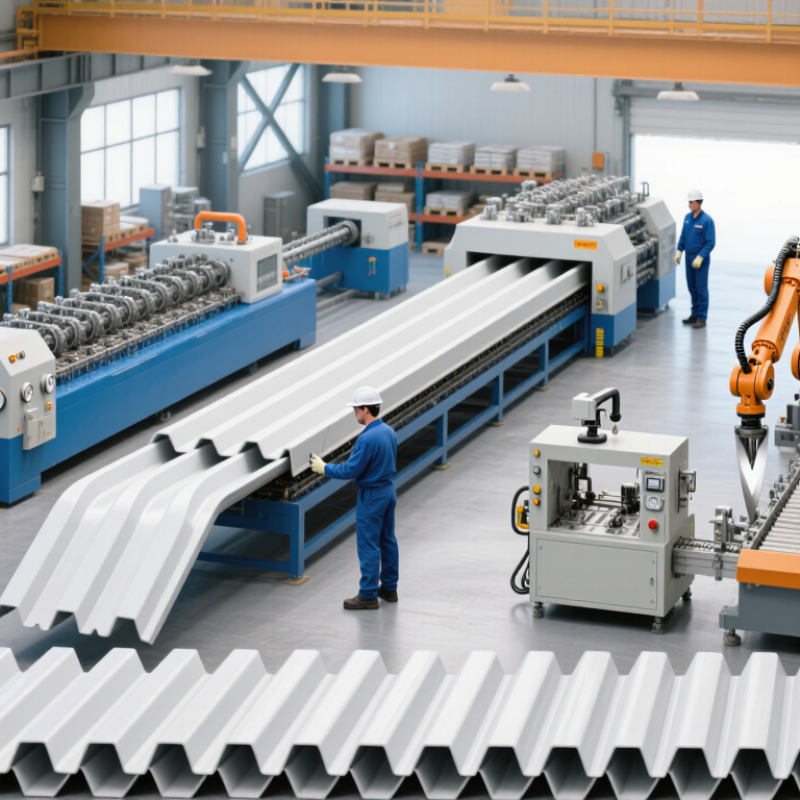
Table of Contents [Hide]
GRP Gutter Machinery in 2026: Classify Lines by Forming Method
GRP Gutter Machinery in 2026: Classify Lines by Forming Method
GRP gutter machinery is best classified by how it shapes the profile, not by output speed alone. Pultrusion lines pull resin-impregnated glass fibers through a heated die. They produce continuous gutters with steady wall thickness and strong longitudinal reinforcement. A typical line includes creels, resin baths, preform guides, a heated die, pullers, and a cutting station. According to the Research and Markets Pultrusion Global Market Report 2024, the pultrusion market was valued at about USD 3.4 billion in 2023. That growth reflects demand for durable composite profiles.
Continuous molding lines use controlled resin application, surface films, heating, and calibrated rollers. They suit wider gutter profiles and textured outer surfaces. Compared with pultrusion, their fiber alignment can be less uniform. That weakness matters near brackets and outlet openings. Compression molding systems shape short GRP sections inside matched heated molds. They work well for end caps, corners, outlets, and other detailed fittings, rather than long gutters. The Composites Market Report by Grand View Research identified construction as a major composites application sector, with infrastructure renewal supporting continued demand.
Line selection should follow the product drawing. Check resin viscosity, glass content, die temperature, puller pressure, and cut-length tolerance. A production trial should inspect a 600-millimeter sample after cooling. Small distortions may appear later. I would not choose machinery from catalog speed alone. Energy use, mold-change time, scrap handling, and operator access often decide the real cost.

© Copyright - Pro Tool & Supply - Site by SVM E-Marketing Solutions - Sitemap
- Privacy policy