- Products
- Air Compressors & Air Tools
- Climate Control
- Compaction Equipment
- Concrete Cutting Tools & Equipment
- Concrete and Masonry
- Demolition & Excavation
- Electrical & Mechanical
- Fasteners and Anchoring Adhesives
- Floor Protection
- Generators and Welders
- Hand Tools
- Heaters
- Janitorial and Office Supplies
- Jobsite Protection
- Ladders & Storage
- Lighting & Lighting Accessories
- Man Lifts
- Material Handling Equipment
- Power Tools
- Pressure Washers & Pumps
- Safety Gear
- Safety Products
- Saws
- Surface Preparation
- SEASONAL PRODUCTS
- Rentals
- Air Compressor and Air Tool Rentals
- Climate Control Rental
- Compaction Rentals
- Concrete Equipment Rentals
- Demolition & Excavation Equipment Rentals
- Concrete Floor Grinder Rentals
- General Construction Equipment Rentals
- Generator Rentals and Welder Rentals
- Heater Rentals
- Light Tower Rentals
- Man Lift Rentals in Massachusetts and Rhode Island
- Material Handling Equipment Rentals
- Pressure Washer & Pump Rentals
- Saw Rentals in New England
- SEASONAL PRODUCTS
- Products
- Air Compressors & Air Tools
- Climate Control
- Compaction Equipment
- Concrete Cutting Tools & Equipment
- Demolition & Excavation
- Electrical & Mechanical
- Floor Protection
- Generators and Welders
- Construction Heaters
- Construction Ladders, Staging, & Storage
- Construction Lighting
- Man Lifts
- Material Handling Equipment
- Industrial Janitorial and Office Supplies
- Pressure Washers & Pumps
- Construction Safety Products
- Construction Safety Gear
- Surface Preparation
- Building Protection
- Diesel Accessories
- Zero Emissions
- Rentals
- Air Compressor and Air Tool Rentals
- Climate Control Rental
- Compaction Rentals
- Concrete Equipment Rental
- Demolition & Excavation Equipment Rental
- General Construction Equipment Rental
- Generator Rentals and Welder Rentals
- Construction Heaters Rental
- Light Tower Rentals
- Man Lift Rentals
- Material Handling Equipment Rental
- Pressure Washer & Pump Rentals
- Saw Rentals in New England
- Concrete Floor Grinder Rentals
- Zero Emissions Rentals
- Repairs & Used
- Parts
- Blog
- Services
- Resources
- About Us
- Contact Us
Sales & Rental of Construction | Industrial Equipment & Supplies


Who Are the Top Manufacturers of Generator Sets in China?
Who are the top manufacturers of Generator Sets in China? The answer depends on what buyers need: standby power for a hospital, prime power at a construction site, or compact units for rental fleets. These products share a name, but not the same duty cycle, engineering demands, or service requirements. The comparison matters.
The International Energy Agency’s Electricity 2024 report projected global electricity demand would grow by an average of 3.4% annually from 2024 to 2026. That forecast describes the wider power market, not generator-set sales. Still, it helps explain why dependable backup and distributed power remain important. On a factory floor, reliability means more than a headline output rating. It can mean stable operation under load, accessible parts, clear maintenance intervals, and technicians who can reach the site.
China’s supplier landscape includes established engine groups, specialist power-equipment makers, and export-focused assemblers. Their strengths vary by engine platform, fuel type, product range, testing capability, and after-sales coverage. A large catalogue is not proof of stronger field performance. Nor does a low quoted price tell the whole story. The picture is less tidy.
This guide compares manufacturers using publicly available company information and practical buying criteria. It considers product scope, technical capability, certifications, export experience, and service support. These signals cannot replace independent factory audits or reference checks. Treat any ranking as a starting point, not a verdict.
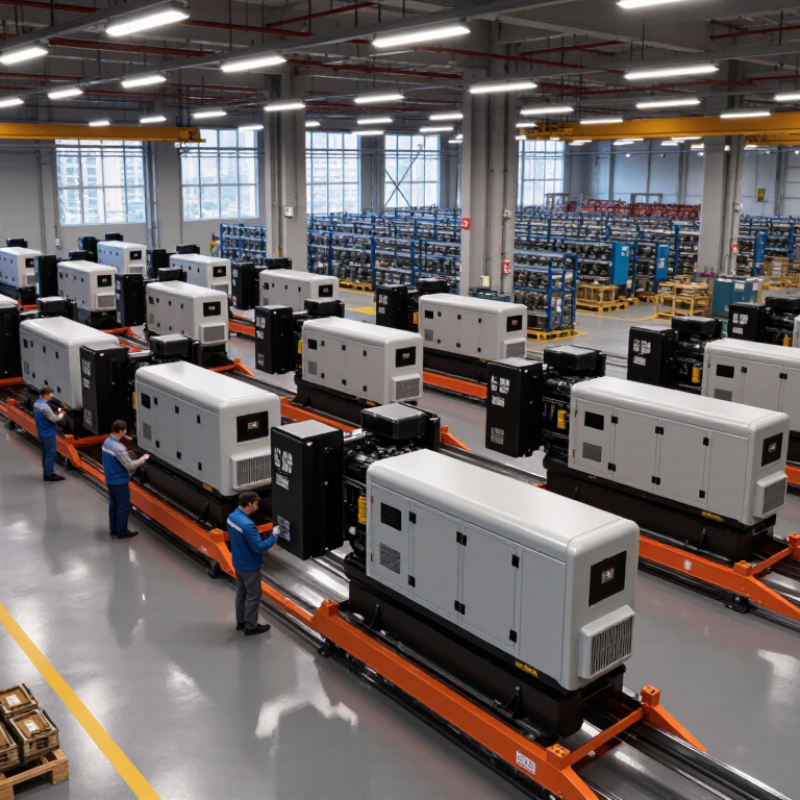
Table of Contents [Hide]
Generator Set Manufacturing in China: Industry Overview
China’s generator-set industry benefits from a deep manufacturing base in engines, alternators, control systems, and precision components.
China Electricity Council data put the country’s installed power-generation capacity at about 2.92 billion kW by the end of 2023.
The International Energy Agency’s Electricity 2024 report also recorded 6.7% growth in Chinese electricity demand that year.
These figures describe the wider power system, not generator-set sales. That distinction matters.
Manufacturers serve varied needs, from construction sites and telecom facilities to hospitals and data centers. Buyers compare rated output, fuel use, noise levels, service access, and performance in heat or dust. Compact sets may suit temporary sites; larger units often require careful installation, ventilation, and load testing. Supply chains can support customization, but component quality and after-sales coverage still vary. Not every specification tells the whole story. A paper rating cannot replace a real load test, and that gap deserves more attention. For a clear industry picture, production capacity, export data, and end-user demand should be assessed separately.

© Copyright - Pro Tool & Supply - Site by SVM E-Marketing Solutions - Sitemap
- Privacy policy