- Products
- Air Compressors & Air Tools
- Climate Control
- Compaction Equipment
- Concrete Cutting Tools & Equipment
- Concrete and Masonry
- Demolition & Excavation
- Electrical & Mechanical
- Fasteners and Anchoring Adhesives
- Floor Protection
- Generators and Welders
- Hand Tools
- Heaters
- Janitorial and Office Supplies
- Jobsite Protection
- Ladders & Storage
- Lighting & Lighting Accessories
- Man Lifts
- Material Handling Equipment
- Power Tools
- Pressure Washers & Pumps
- Safety Gear
- Safety Products
- Saws
- Surface Preparation
- SEASONAL PRODUCTS
- Rentals
- Air Compressor and Air Tool Rentals
- Climate Control Rental
- Compaction Rentals
- Concrete Equipment Rentals
- Demolition & Excavation Equipment Rentals
- Concrete Floor Grinder Rentals
- General Construction Equipment Rentals
- Generator Rentals and Welder Rentals
- Heater Rentals
- Light Tower Rentals
- Man Lift Rentals in Massachusetts and Rhode Island
- Material Handling Equipment Rentals
- Pressure Washer & Pump Rentals
- Saw Rentals in New England
- SEASONAL PRODUCTS
- Products
- Air Compressors & Air Tools
- Climate Control
- Compaction Equipment
- Concrete Cutting Tools & Equipment
- Demolition & Excavation
- Electrical & Mechanical
- Floor Protection
- Generators and Welders
- Construction Heaters
- Construction Ladders, Staging, & Storage
- Construction Lighting
- Man Lifts
- Material Handling Equipment
- Industrial Janitorial and Office Supplies
- Pressure Washers & Pumps
- Construction Safety Products
- Construction Safety Gear
- Surface Preparation
- Building Protection
- Diesel Accessories
- Zero Emissions
- Rentals
- Air Compressor and Air Tool Rentals
- Climate Control Rental
- Compaction Rentals
- Concrete Equipment Rental
- Demolition & Excavation Equipment Rental
- General Construction Equipment Rental
- Generator Rentals and Welder Rentals
- Construction Heaters Rental
- Light Tower Rentals
- Man Lift Rentals
- Material Handling Equipment Rental
- Pressure Washer & Pump Rentals
- Saw Rentals in New England
- Concrete Floor Grinder Rentals
- Zero Emissions Rentals
- Repairs & Used
- Parts
- Blog
- Services
- Resources
- About Us
- Contact Us
Sales & Rental of Construction | Industrial Equipment & Supplies


What Are the Top Dash Camera Module Types in 2026?
In 2026, choosing a Dash Camera Module means choosing what the vehicle can reliably see. A compact front-only module may suit basic incident recording. A dual-channel setup adds a rear view, while multi-camera systems can cover more angles. Some modules also combine video with GPS, driver-assistance features, or cloud connectivity. The right option depends on the vehicle, installation space, image quality, and intended use—not simply the number of cameras.
Market demand is growing, but forecasts vary by scope and methodology. Grand View Research estimated the global dashboard camera market at USD 4.03 billion in 2023 and projected a 6.5% compound annual growth rate from 2024 through 2030. That estimate offers useful context, not a guarantee of 2026 sales. It also covers dashboard cameras broadly, rather than every embedded camera module or vehicle program. Small distinctions matter.
For a grounded comparison, this guide separates front-only, front-and-rear, cabin-facing, multi-channel, and connected camera modules. It considers resolution, low-light performance, heat tolerance, storage, and integration needs. A sharp image at noon is not enough; a dim garage or rain-streaked windscreen can expose weaknesses quickly. The supplied material contains no verifiable named industry expert quotation, so I have not invented one. That omission is deliberate. A credible 2026 overview should distinguish measured market evidence from product claims and clearly identify what each module can—and cannot—record.
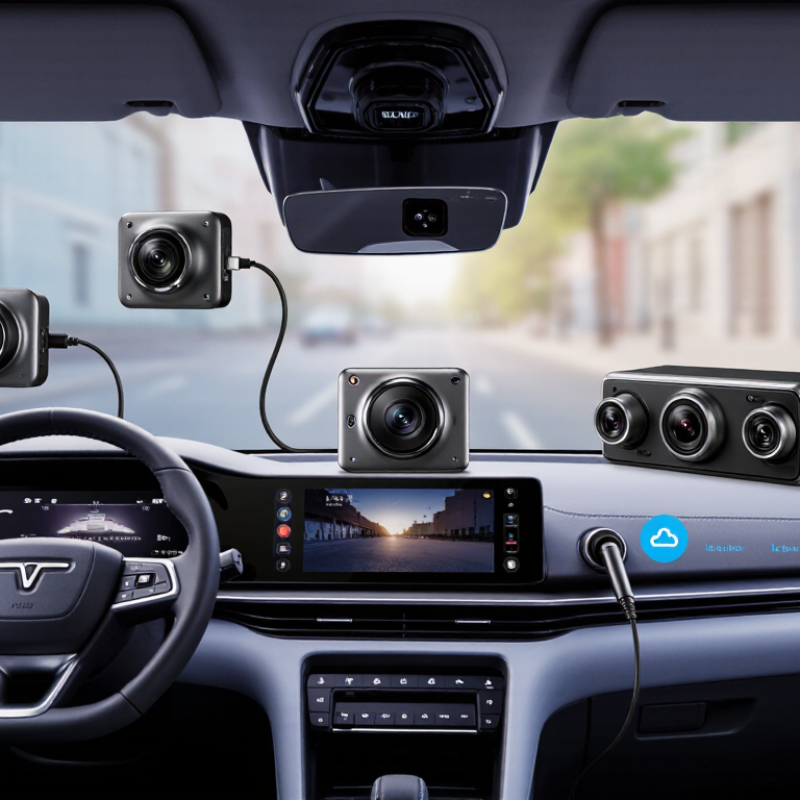
Table of Contents [Hide]
What a Dash Camera Module Is and How It Works
A dash camera module is the compact imaging system inside a vehicle camera. It usually combines a lens, image sensor, processor, and connections for power and storage. The lens gathers light through the windshield, while the sensor turns it into image data. The processor then compresses and saves the footage, often in short, looping clips.
The process happens continuously while the camera is powered. When a bump or sudden change in motion is detected, a sensor may flag the related clip so it is less likely to be overwritten. Some modules also add a rear camera, GPS data, or parking monitoring. These features depend on the design and setup. A front-facing module is simpler; a multi-camera system needs more wiring and storage.
Small parts matter. A poorly aimed lens may capture more dashboard than road, and glare or a dirty windshield can soften details. Heat can also affect performance over time. The camera records what its sensor can see, not every detail a driver might notice. That gap is easy to overlook. Checking sample footage in daylight and at night gives a more realistic sense of image quality than relying on resolution alone.

© Copyright - Pro Tool & Supply - Site by SVM E-Marketing Solutions - Sitemap
- Privacy policy