- Products
- Air Compressors & Air Tools
- Climate Control
- Compaction Equipment
- Concrete Cutting Tools & Equipment
- Concrete and Masonry
- Demolition & Excavation
- Electrical & Mechanical
- Fasteners and Anchoring Adhesives
- Floor Protection
- Generators and Welders
- Hand Tools
- Heaters
- Janitorial and Office Supplies
- Jobsite Protection
- Ladders & Storage
- Lighting & Lighting Accessories
- Man Lifts
- Material Handling Equipment
- Power Tools
- Pressure Washers & Pumps
- Safety Gear
- Safety Products
- Saws
- Surface Preparation
- SEASONAL PRODUCTS
- Rentals
- Air Compressor and Air Tool Rentals
- Climate Control Rental
- Compaction Rentals
- Concrete Equipment Rentals
- Demolition & Excavation Equipment Rentals
- Concrete Floor Grinder Rentals
- General Construction Equipment Rentals
- Generator Rentals and Welder Rentals
- Heater Rentals
- Light Tower Rentals
- Man Lift Rentals in Massachusetts and Rhode Island
- Material Handling Equipment Rentals
- Pressure Washer & Pump Rentals
- Saw Rentals in New England
- SEASONAL PRODUCTS
- Products
- Air Compressors & Air Tools
- Climate Control
- Compaction Equipment
- Concrete Cutting Tools & Equipment
- Demolition & Excavation
- Electrical & Mechanical
- Floor Protection
- Generators and Welders
- Construction Heaters
- Construction Ladders, Staging, & Storage
- Construction Lighting
- Man Lifts
- Material Handling Equipment
- Industrial Janitorial and Office Supplies
- Pressure Washers & Pumps
- Construction Safety Products
- Construction Safety Gear
- Surface Preparation
- Building Protection
- Diesel Accessories
- Zero Emissions
- Rentals
- Air Compressor and Air Tool Rentals
- Climate Control Rental
- Compaction Rentals
- Concrete Equipment Rental
- Demolition & Excavation Equipment Rental
- General Construction Equipment Rental
- Generator Rentals and Welder Rentals
- Construction Heaters Rental
- Light Tower Rentals
- Man Lift Rentals
- Material Handling Equipment Rental
- Pressure Washer & Pump Rentals
- Saw Rentals in New England
- Concrete Floor Grinder Rentals
- Zero Emissions Rentals
- Repairs & Used
- Parts
- Blog
- Services
- Resources
- About Us
- Contact Us
Sales & Rental of Construction | Industrial Equipment & Supplies


Top 10 Contractor Tools You Need for Efficient Projects?
In the world of construction, having the right contractor tools is essential. They are not just items; they are fundamental to achieving project efficiency and success. The right tools can influence productivity, safety, and quality of work on-site. With numerous options available, choosing the best ones can feel overwhelming.
One effective approach is to focus on versatility and functionality. Some tools can serve multiple purposes, saving both time and money. Others may seem less important, but their reliability can make a significant difference. Investing in top-rated contractor tools ensures that you are not just meeting basic requirements. You aim for a proficient work environment.
Contractors often face challenges that can hinder progress. Having the proper tools can mitigate these issues and enhance workflow. While some tools may be more popular than others, the true value lies in how they fit specific project needs. Reflecting on personal experiences with different tools can guide one’s choices. Emphasizing quality over quantity may lead to better outcomes in the long run.
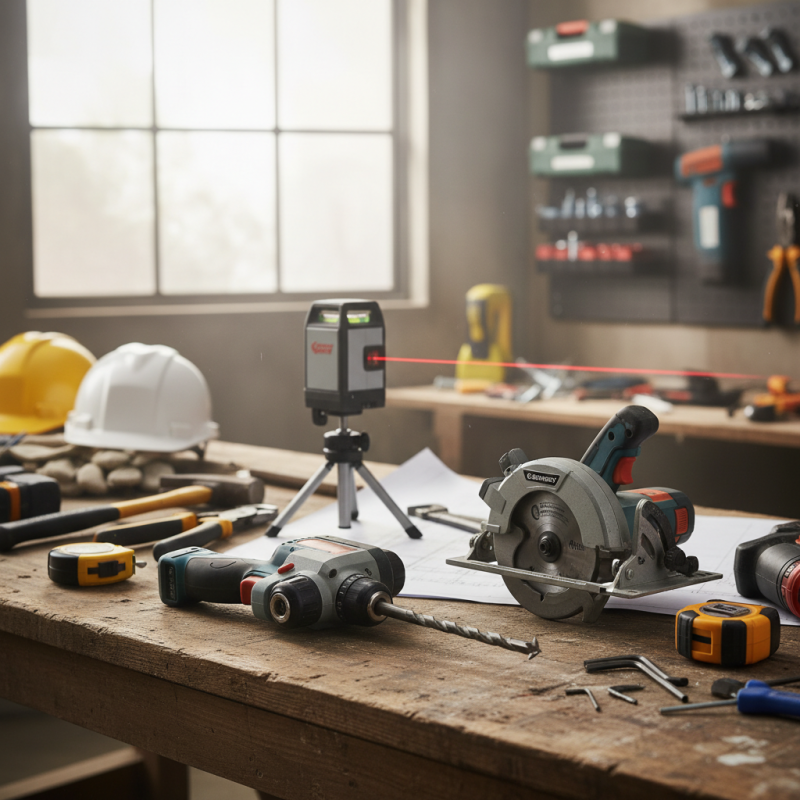
Table of Contents
[Hide]
Essential Hand Tools for Every Contractor's Toolkit
When building or renovating, hand tools are essential for contractors. A reliable hammer is a must-have. It helps shape and secure materials effectively. A lightweight yet durable option works best for most jobs. Additionally, a quality tape measure ensures accurate measurements. It takes the guesswork out of cutting and fitting materials. Precision is key in any project.
Screwdrivers are another important tool. A set featuring different sizes and types is necessary. This allows for versatility in tackling various tasks. Pliers come in handy for gripping, bending, and cutting wires. Their multi-functional nature makes them invaluable. An adjustable wrench is also crucial, adapting to multiple fasteners.
Contractors sometimes overlook the importance of utility knives. These tools allow for seamless cutting of materials like insulation and drywall. A sturdy work apron keeps tools organized, reducing time spent searching for them. Each tool plays a role in building efficiency. However, even experienced contractors may face challenges choosing the right tools for specific tasks. Continuous learning from past projects helps refine their toolkit. Adjustments and reflections lead to better decision-making in the future.
Top 10 Contractor Tools You Need for Efficient Projects
| Tool | Purpose | Key Features | Ideal Use Case |
|---|---|---|---|
| Cordless Drill | Drilling & Driving | Lightweight, rechargeable batteries | General construction, repairs |
| Tape Measure | Measuring Lengths | Durable, easy to read | Framing and layout work |
| Level | Checking Flatness | Vial or electronic options | Hanging pictures, installing cabinets |
| Hammer | Driving Nails | Various weights, claw or sledge | Framing, demolition |
| Utility Knife | Cutting | Retractable blade, safety features | Packaging, drywall cutting |
| Pliers | Gripping & Cutting | Locking mechanism, various styles | Electrical work, automotive repairs |
| Leveling Tool | Aligning Structures | Laser levels, traditional levels | Laying tile, framing walls |
| Screwdriver Set | Driving Screws | Magnetic tips, ergonomic handles | Furniture assembly, repairs |
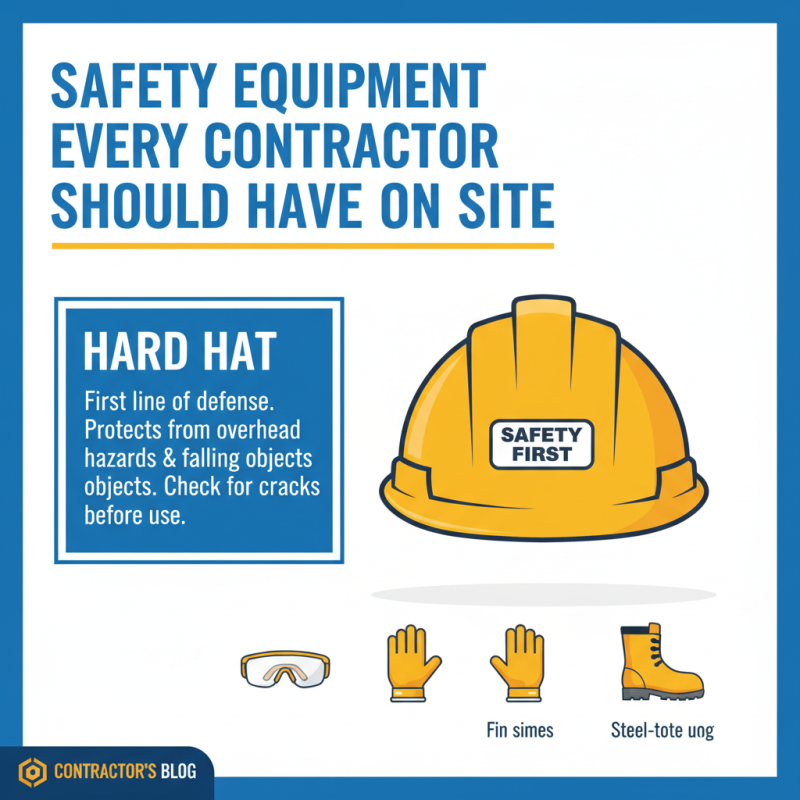
| Safety Gear | Protection | Helmets, gloves, goggles | Job site safety |
| Adjustable Wrench | Tightening Nuts/Bolts | Variable jaw size | Plumbing, automotive |
Related Posts
-

Top 10 Pro Tools for Creative Professionals in 2026
-
Top 10 Essential Contractor Tools Every Professional Needs Today?
-
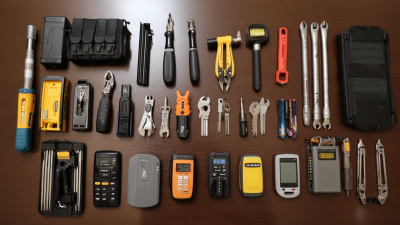
Unlocking Success with the Right Professional Tools for Every Industry
-
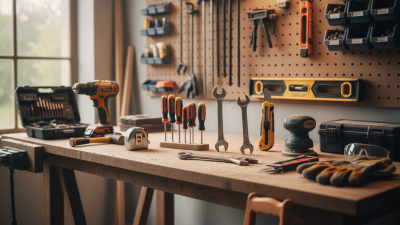
Top 10 Essential Shop Tools Every DIY Enthusiast Should Own
-
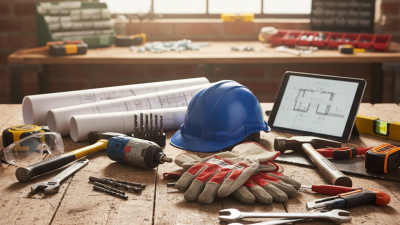
10 Essential Tips for Choosing the Right Construction Tools for Your Projects?
-
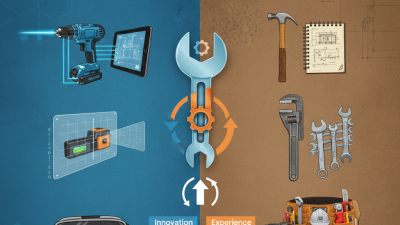
2026 Best Construction Tools for Every Builder's Toolkit?

© Copyright - Pro Tool & Supply - Site by SVM E-Marketing Solutions - Sitemap
- Privacy policy