- Products
- Air Compressors & Air Tools
- Climate Control
- Compaction Equipment
- Concrete Cutting Tools & Equipment
- Concrete and Masonry
- Demolition & Excavation
- Electrical & Mechanical
- Fasteners and Anchoring Adhesives
- Floor Protection
- Generators and Welders
- Hand Tools
- Heaters
- Janitorial and Office Supplies
- Jobsite Protection
- Ladders & Storage
- Lighting & Lighting Accessories
- Man Lifts
- Material Handling Equipment
- Power Tools
- Pressure Washers & Pumps
- Safety Gear
- Safety Products
- Saws
- Surface Preparation
- SEASONAL PRODUCTS
- Rentals
- Air Compressor and Air Tool Rentals
- Climate Control Rental
- Compaction Rentals
- Concrete Equipment Rentals
- Demolition & Excavation Equipment Rentals
- Concrete Floor Grinder Rentals
- General Construction Equipment Rentals
- Generator Rentals and Welder Rentals
- Heater Rentals
- Light Tower Rentals
- Man Lift Rentals in Massachusetts and Rhode Island
- Material Handling Equipment Rentals
- Pressure Washer & Pump Rentals
- Saw Rentals in New England
- SEASONAL PRODUCTS
- Products
- Air Compressors & Air Tools
- Climate Control
- Compaction Equipment
- Concrete Cutting Tools & Equipment
- Demolition & Excavation
- Electrical & Mechanical
- Floor Protection
- Generators and Welders
- Construction Heaters
- Construction Ladders, Staging, & Storage
- Construction Lighting
- Man Lifts
- Material Handling Equipment
- Industrial Janitorial and Office Supplies
- Pressure Washers & Pumps
- Construction Safety Products
- Construction Safety Gear
- Surface Preparation
- Building Protection
- Diesel Accessories
- Zero Emissions
- Rentals
- Air Compressor and Air Tool Rentals
- Climate Control Rental
- Compaction Rentals
- Concrete Equipment Rental
- Demolition & Excavation Equipment Rental
- General Construction Equipment Rental
- Generator Rentals and Welder Rentals
- Construction Heaters Rental
- Light Tower Rentals
- Man Lift Rentals
- Material Handling Equipment Rental
- Pressure Washer & Pump Rentals
- Saw Rentals in New England
- Concrete Floor Grinder Rentals
- Zero Emissions Rentals
- Repairs & Used
- Parts
- Blog
- Services
- Resources
- About Us
- Contact Us
Sales & Rental of Construction | Industrial Equipment & Supplies

Top 10 Cold Storage Freezer Buying Tips for Global Buyers?
In today's global market, choosing the right Cold Storage Freezer is crucial for businesses. As Michael Thompson, a renowned expert in cold chain logistics, emphasizes, “Selecting the right freezer can make or break your inventory management.” This insight highlights the importance of informed decision-making.
Investing in a Cold Storage Freezer involves understanding various factors, from size and temperature control to energy efficiency. The vast options available can be overwhelming. Many buyers overlook essential features that directly impact performance. This often leads to costly mistakes and inefficiencies.
When considering a Cold Storage Freezer, detailed knowledge is vital. Buyers should prioritize reliability and durability. While it’s tempting to chase lower prices, quality should never be sacrificed. The nuances of each model can affect both operational success and product safety. Consideration of these factors can lead to wiser purchasing decisions.
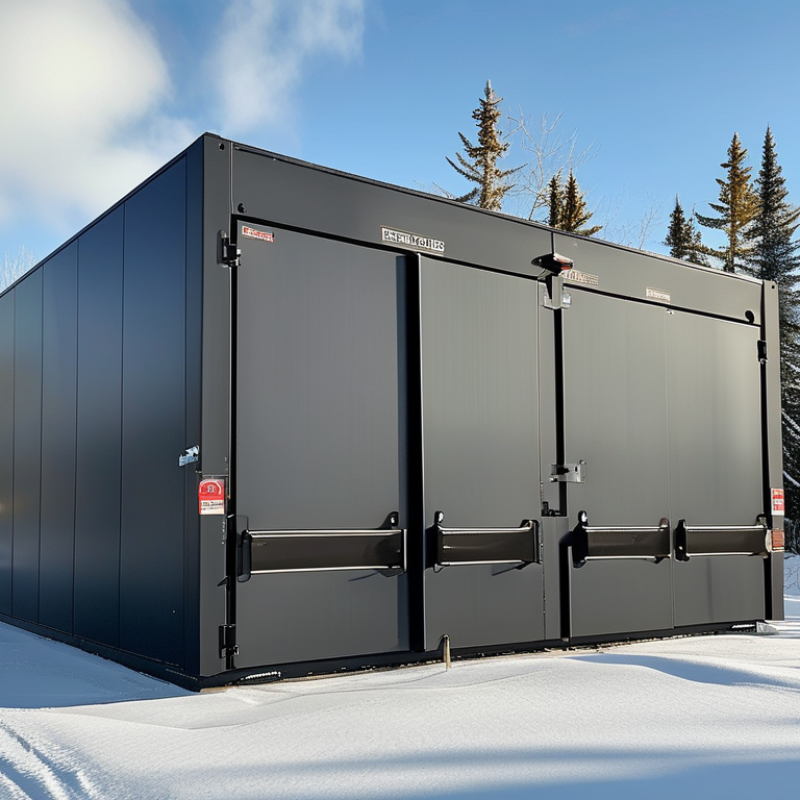
Table of Contents [Hide]
Understanding the Importance of Cold Storage Freezers in Different Industries
Cold storage freezers play a critical role in various industries, ensuring the preservation of perishable goods. In the food sector, maintaining the optimal temperature is vital for extending shelf life. This practice prevents spoilage and helps reduce waste. Restaurants and grocery stores rely heavily on these units. Fresh produce, meat, and dairy items need constant cooling to remain safe for consumption.
Healthcare and pharmaceuticals also benefit from cold storage freezers. Vaccines and medications require precise temperature control. Improper storage can lead to loss of efficacy. Hospitals and clinics must invest in reliable systems to ensure patient safety. Unfortunately, not all facilities prioritize these needs. Awareness around the importance of proper storage practices is essential.
Moreover, industries like cosmetics and chemicals depend on temperature-sensitive materials. Products can degrade without appropriate storage. Companies may overlook this aspect, impacting quality and safety. Understanding the specific requirements of each sector is crucial for investment decisions. Proper training and knowledge can make a significant difference in operational success.
© Copyright - Pro Tool & Supply - Site by SVM E-Marketing Solutions - Sitemap
- Privacy policy