- Products
- Air Compressors & Air Tools
- Climate Control
- Compaction Equipment
- Concrete Cutting Tools & Equipment
- Concrete and Masonry
- Demolition & Excavation
- Electrical & Mechanical
- Fasteners and Anchoring Adhesives
- Floor Protection
- Generators and Welders
- Hand Tools
- Heaters
- Janitorial and Office Supplies
- Jobsite Protection
- Ladders & Storage
- Lighting & Lighting Accessories
- Man Lifts
- Material Handling Equipment
- Power Tools
- Pressure Washers & Pumps
- Safety Gear
- Safety Products
- Saws
- Surface Preparation
- SEASONAL PRODUCTS
- Rentals
- Air Compressor and Air Tool Rentals
- Climate Control Rental
- Compaction Rentals
- Concrete Equipment Rentals
- Demolition & Excavation Equipment Rentals
- Concrete Floor Grinder Rentals
- General Construction Equipment Rentals
- Generator Rentals and Welder Rentals
- Heater Rentals
- Light Tower Rentals
- Man Lift Rentals in Massachusetts and Rhode Island
- Material Handling Equipment Rentals
- Pressure Washer & Pump Rentals
- Saw Rentals in New England
- SEASONAL PRODUCTS
- Products
- Air Compressors & Air Tools
- Climate Control
- Compaction Equipment
- Concrete Cutting Tools & Equipment
- Demolition & Excavation
- Electrical & Mechanical
- Floor Protection
- Generators and Welders
- Construction Heaters
- Construction Ladders, Staging, & Storage
- Construction Lighting
- Man Lifts
- Material Handling Equipment
- Industrial Janitorial and Office Supplies
- Pressure Washers & Pumps
- Construction Safety Products
- Construction Safety Gear
- Surface Preparation
- Building Protection
- Diesel Accessories
- Zero Emissions
- Rentals
- Air Compressor and Air Tool Rentals
- Climate Control Rental
- Compaction Rentals
- Concrete Equipment Rental
- Demolition & Excavation Equipment Rental
- General Construction Equipment Rental
- Generator Rentals and Welder Rentals
- Construction Heaters Rental
- Light Tower Rentals
- Man Lift Rentals
- Material Handling Equipment Rental
- Pressure Washer & Pump Rentals
- Saw Rentals in New England
- Concrete Floor Grinder Rentals
- Zero Emissions Rentals
- Repairs & Used
- Parts
- Blog
- Services
- Resources
- About Us
- Contact Us
Sales & Rental of Construction | Industrial Equipment & Supplies


What Are the Top Circuit Breaker Parts in 2026?
What will define the best Circuit Breaker Parts in 2026? The answer will involve more than interrupting current. Engineers will examine contact durability, arc-chute design, trip-unit accuracy, terminal temperature, and replacement compatibility. Small components can decide whether a breaker opens cleanly or leaves dangerous heat inside a panel.
MarketsandMarkets estimates that the global circuit breaker market could grow from approximately USD 8.7 billion in 2024 to USD 12.5 billion by 2029. Grand View Research also identifies grid modernization, renewable-energy integration, and industrial automation as important growth drivers. These trends increase demand for stronger contacts, electronic trip mechanisms, compact operating springs, and higher-performance insulation materials. The figures describe the market, not every part.
John D. McDonald, an IEEE Fellow and recognized power-system protection specialist, offers a useful perspective: “Protection must operate correctly under the worst credible fault, not merely during normal conditions.” That principle should guide every 2026 parts comparison. A copper contact may look acceptable, yet surface erosion can reveal a different story. A molded case may fit perfectly, while its thermal rating remains unsuitable. Tiny details matter.
This article examines the leading Circuit Breaker Parts expected to shape maintenance, manufacturing, and retrofit decisions in 2026. It also questions common assumptions. Not every newer component is better. Not every low-cost replacement is truly compatible. Reliable selection requires test records, manufacturer data, field experience, and careful attention to applicable standards such as IEC 60947-2 and UL 489.
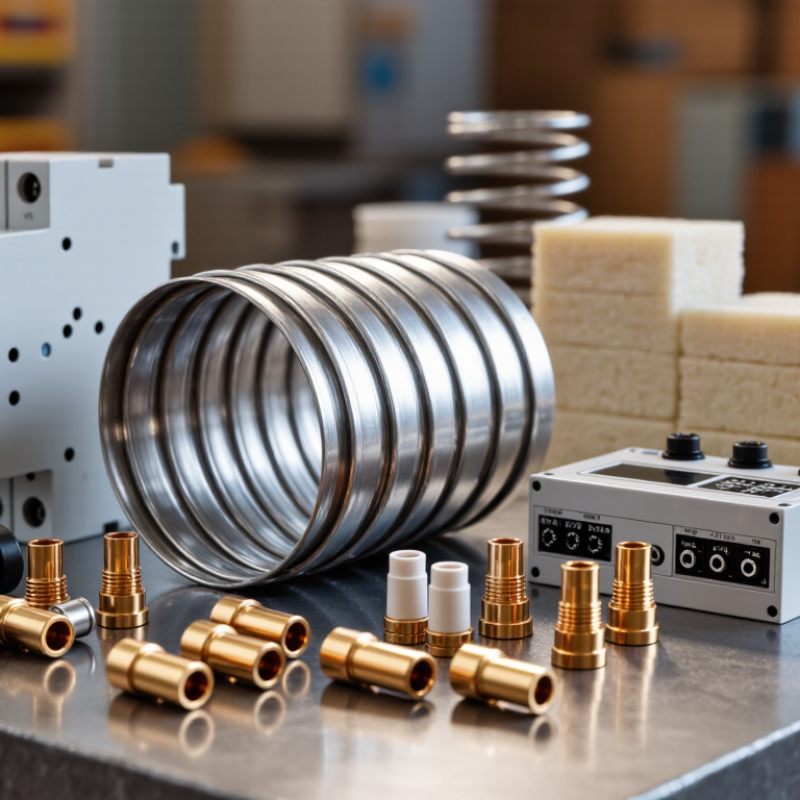
Table of Contents [Hide]
Circuit Breaker Parts: Their Purpose and Role in Protection
What Are the Top Circuit Breaker Parts in 2026?
Circuit breaker parts determine how quickly and safely a fault is controlled. The trip unit senses abnormal current and releases the operating mechanism. Its settings must match the circuit, not simply the equipment rating. A misadjusted trip unit can delay protection or cause nuisance interruptions.
The contacts carry normal current, while the arc chute controls the intense arc created during opening. Thermal-magnetic units respond to overloads and short circuits. Electronic trip units provide finer measurement, event records, and adjustable protection zones. Terminals create the connection point, so correct torque matters. Loose hardware can produce heat, discoloration, and eventual failure. It sounds simple.
The enclosure and insulation separate energized conductors from people and nearby components. Auxiliary contacts report breaker status to monitoring systems, which helps maintenance teams confirm whether a device opened correctly.
IEC 60947-2 and UL 489 provide widely used performance frameworks for low-voltage breakers.
The International Energy Agency’s Electricity 2025 report forecasts global electricity demand growth of about 4% annually through 2027. That growth increases pressure on dependable protection and coordination. MarketsandMarkets projects the circuit breaker market to reach approximately 10.4 billion dollars by 2028, up from about 7.9 billion dollars in 2023. These figures support greater attention to replacement parts and testing.
Still, market forecasts are not field evidence. A breaker may pass a visual inspection yet fail under heat, vibration, or repeated fault stress. Technicians should verify contact wear, trip response, insulation condition, and terminal torque using documented procedures.

© Copyright - Pro Tool & Supply - Site by SVM E-Marketing Solutions - Sitemap
- Privacy policy