- Products
- Air Compressors & Air Tools
- Climate Control
- Compaction Equipment
- Concrete Cutting Tools & Equipment
- Concrete and Masonry
- Demolition & Excavation
- Electrical & Mechanical
- Fasteners and Anchoring Adhesives
- Floor Protection
- Generators and Welders
- Hand Tools
- Heaters
- Janitorial and Office Supplies
- Jobsite Protection
- Ladders & Storage
- Lighting & Lighting Accessories
- Man Lifts
- Material Handling Equipment
- Power Tools
- Pressure Washers & Pumps
- Safety Gear
- Safety Products
- Saws
- Surface Preparation
- SEASONAL PRODUCTS
- Rentals
- Air Compressor and Air Tool Rentals
- Climate Control Rental
- Compaction Rentals
- Concrete Equipment Rentals
- Demolition & Excavation Equipment Rentals
- Concrete Floor Grinder Rentals
- General Construction Equipment Rentals
- Generator Rentals and Welder Rentals
- Heater Rentals
- Light Tower Rentals
- Man Lift Rentals in Massachusetts and Rhode Island
- Material Handling Equipment Rentals
- Pressure Washer & Pump Rentals
- Saw Rentals in New England
- SEASONAL PRODUCTS
- Products
- Air Compressors & Air Tools
- Climate Control
- Compaction Equipment
- Concrete Cutting Tools & Equipment
- Demolition & Excavation
- Electrical & Mechanical
- Floor Protection
- Generators and Welders
- Construction Heaters
- Construction Ladders, Staging, & Storage
- Construction Lighting
- Man Lifts
- Material Handling Equipment
- Industrial Janitorial and Office Supplies
- Pressure Washers & Pumps
- Construction Safety Products
- Construction Safety Gear
- Surface Preparation
- Building Protection
- Diesel Accessories
- Zero Emissions
- Rentals
- Air Compressor and Air Tool Rentals
- Climate Control Rental
- Compaction Rentals
- Concrete Equipment Rental
- Demolition & Excavation Equipment Rental
- General Construction Equipment Rental
- Generator Rentals and Welder Rentals
- Construction Heaters Rental
- Light Tower Rentals
- Man Lift Rentals
- Material Handling Equipment Rental
- Pressure Washer & Pump Rentals
- Saw Rentals in New England
- Concrete Floor Grinder Rentals
- Zero Emissions Rentals
- Repairs & Used
- Parts
- Blog
- Services
- Resources
- About Us
- Contact Us
Sales & Rental of Construction | Industrial Equipment & Supplies


China Top CNC Custom Machining Supplier for Global Buyers?
Choosing a reliable Chinese supplier for Cnc Custom Machining takes more than comparing prices. A strong partner should understand your drawings, materials, tolerances, surface finish, and intended use. A small mismatch in a hole position or thread specification can create costly assembly problems later. Details matter.
Global buyers can assess suppliers through practical evidence: sample parts, inspection reports, material documentation, and clear production updates. Ask how critical dimensions are checked and how design changes are recorded. A polished website is not proof of consistent quality. Ask for evidence. Also clarify lead times, packaging, shipping terms, and who will answer technical questions when a project changes.
The best supplier is not always the one offering the lowest quote or the broadest list of machines. Compare quotations against the same drawing revision and specification. Check whether the proposed process suits the part, rather than assuming every feature can be produced in one setup. No supplier is perfect. I would be cautious about any company that promises flawless results without discussing tolerances, inspection methods, or possible production risks.
This guide explores what global buyers should examine when evaluating China’s CNC machining suppliers, from technical capability to communication and quality control. It also considers the limits of supplier comparisons: online claims can be difficult to verify, and one successful sample cannot guarantee every future batch. Careful questions help. So does a written agreement on specifications and acceptance criteria.
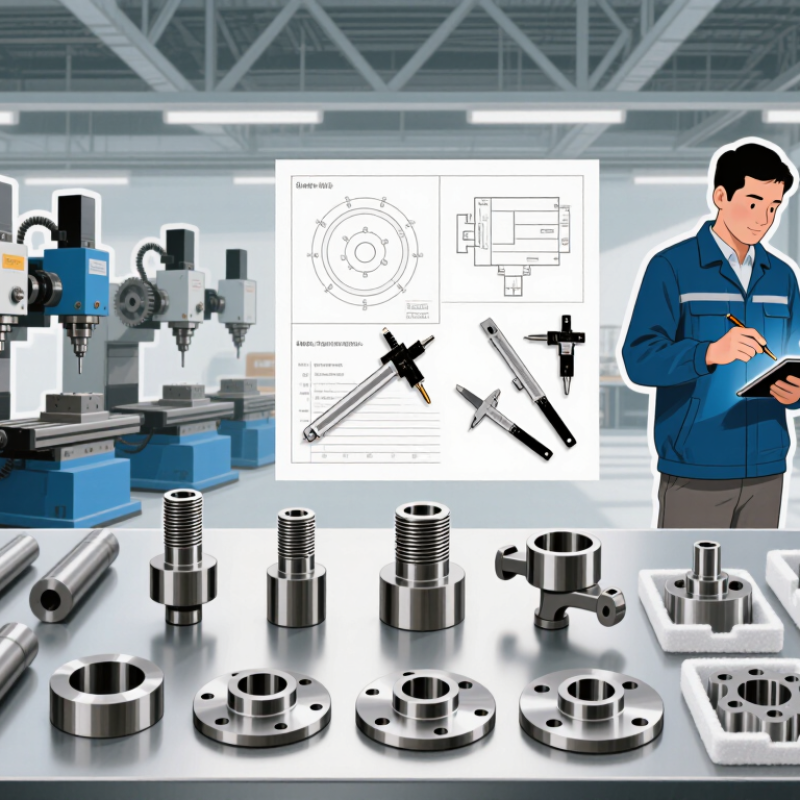
Table of Contents [Hide]
CNC Custom Machining in China: Definition and Industry Scope
CNC custom machining in China means producing parts from customer drawings or 3D models through computer-controlled cutting processes. A machine removes material from metal or plastic stock to create a specified shape. Common methods include milling, turning, drilling, and multi-axis machining. The work may cover a single prototype, a small batch, or repeat production. Not every shop offers the same capabilities.
The industry scope extends beyond cutting metal. It can include material selection, programming, fixture design, surface finishing, and dimensional inspection. For example, an aluminum housing may need milled pockets, tapped holes, and a protective finish. A stainless-steel shaft may require turning and close checks on its diameter. Details matter. Tolerances, material grades, and inspection methods should be agreed before production begins.
A supplier’s equipment list does not tell the whole story. Ask how critical dimensions are measured and how drawing revisions are controlled. A clear inspection report can help confirm whether a batch meets its specification. Still, specifications can be incomplete, and buyers sometimes overlook assembly needs. A drawing can still be unclear. It is worth reviewing the part’s function, mating surfaces, and expected use with the machining team before approving a quote.

© Copyright - Pro Tool & Supply - Site by SVM E-Marketing Solutions - Sitemap
- Privacy policy