- Products
- Air Compressors & Air Tools
- Climate Control
- Compaction Equipment
- Concrete Cutting Tools & Equipment
- Concrete and Masonry
- Demolition & Excavation
- Electrical & Mechanical
- Fasteners and Anchoring Adhesives
- Floor Protection
- Generators and Welders
- Hand Tools
- Heaters
- Janitorial and Office Supplies
- Jobsite Protection
- Ladders & Storage
- Lighting & Lighting Accessories
- Man Lifts
- Material Handling Equipment
- Power Tools
- Pressure Washers & Pumps
- Safety Gear
- Safety Products
- Saws
- Surface Preparation
- SEASONAL PRODUCTS
- Rentals
- Air Compressor and Air Tool Rentals
- Climate Control Rental
- Compaction Rentals
- Concrete Equipment Rentals
- Demolition & Excavation Equipment Rentals
- Concrete Floor Grinder Rentals
- General Construction Equipment Rentals
- Generator Rentals and Welder Rentals
- Heater Rentals
- Light Tower Rentals
- Man Lift Rentals in Massachusetts and Rhode Island
- Material Handling Equipment Rentals
- Pressure Washer & Pump Rentals
- Saw Rentals in New England
- SEASONAL PRODUCTS
- Products
- Air Compressors & Air Tools
- Climate Control
- Compaction Equipment
- Concrete Cutting Tools & Equipment
- Demolition & Excavation
- Electrical & Mechanical
- Floor Protection
- Generators and Welders
- Construction Heaters
- Construction Ladders, Staging, & Storage
- Construction Lighting
- Man Lifts
- Material Handling Equipment
- Industrial Janitorial and Office Supplies
- Pressure Washers & Pumps
- Construction Safety Products
- Construction Safety Gear
- Surface Preparation
- Building Protection
- Diesel Accessories
- Zero Emissions
- Rentals
- Air Compressor and Air Tool Rentals
- Climate Control Rental
- Compaction Rentals
- Concrete Equipment Rental
- Demolition & Excavation Equipment Rental
- General Construction Equipment Rental
- Generator Rentals and Welder Rentals
- Construction Heaters Rental
- Light Tower Rentals
- Man Lift Rentals
- Material Handling Equipment Rental
- Pressure Washer & Pump Rentals
- Saw Rentals in New England
- Concrete Floor Grinder Rentals
- Zero Emissions Rentals
- Repairs & Used
- Parts
- Blog
- Services
- Resources
- About Us
- Contact Us
Sales & Rental of Construction | Industrial Equipment & Supplies

Top 10 Building Awning Styles for Your Next Project?
Building Awnings can transform any structure. They offer both style and functionality. Choosing the right awning type is crucial for your next project.
Different styles serve various purposes. Some enhance aesthetics, while others focus on durability. Knowing the options available is essential for making an informed decision. You might wonder about materials and designs that fit your building's character.
While considering building awning styles, think about the local climate. Some may need more protection from the elements than others. Always reflect on how different awning styles might impact your building's look. Not every choice will suit your needs perfectly, but understanding the options is a step toward making your project a success.
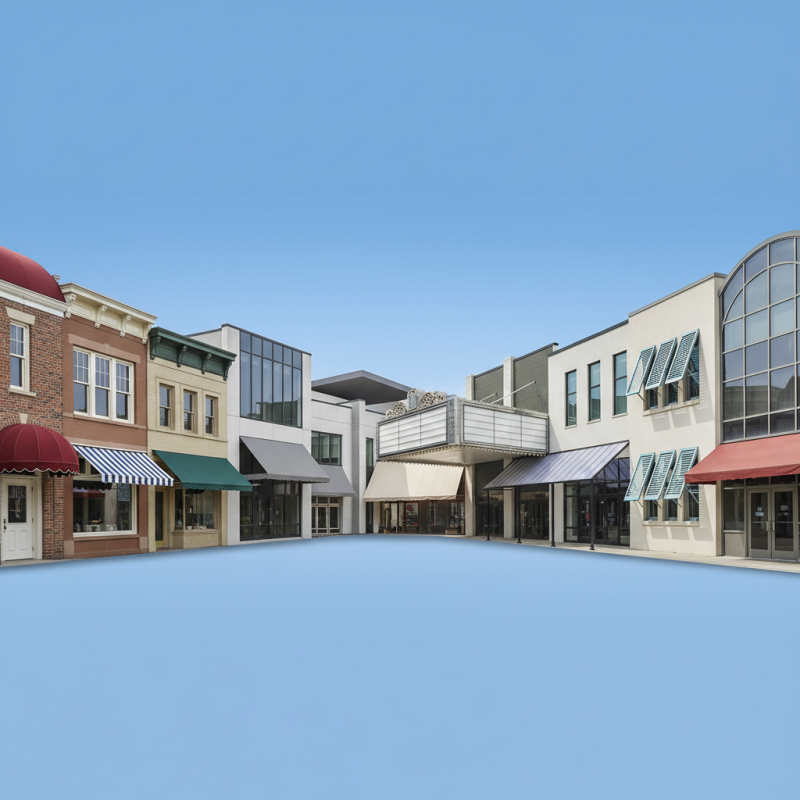
Table of Contents [Hide]
Popular Materials Used in Building Awning Styles
When considering awning styles for your next building project, material selection plays a crucial role. Common options include fabric, metal, and vinyl. Each material has its benefits and drawbacks. For example, fabric awnings provide flexibility in design but may require more maintenance. According to a report by the American Institute of Architects, 65% of architects prefer fabric for its aesthetic appeal and versatility.
Metal awnings, on the other hand, offer durability. They can withstand harsh weather, making them ideal for commercial applications. A study from the Metal Building Manufacturers Association highlights that metal options can last over 30 years with proper care. However, their heavier design can restrict creativity in some architectural settings.
Vinyl awnings combine affordability with weather resistance, making them a popular choice for homeowners. Yet, they can fade or warp over time, especially in extreme climates. The decision ultimately hinges on balancing aesthetics, durability, and maintenance needs. Understanding these materials is key to ensuring the awning complements the building's style while meeting functional requirements.
© Copyright - Pro Tool & Supply - Site by SVM E-Marketing Solutions - Sitemap
- Privacy policy