- Products
- Air Compressors & Air Tools
- Climate Control
- Compaction Equipment
- Concrete Cutting Tools & Equipment
- Concrete and Masonry
- Demolition & Excavation
- Electrical & Mechanical
- Fasteners and Anchoring Adhesives
- Floor Protection
- Generators and Welders
- Hand Tools
- Heaters
- Janitorial and Office Supplies
- Jobsite Protection
- Ladders & Storage
- Lighting & Lighting Accessories
- Man Lifts
- Material Handling Equipment
- Power Tools
- Pressure Washers & Pumps
- Safety Gear
- Safety Products
- Saws
- Surface Preparation
- SEASONAL PRODUCTS
- Rentals
- Air Compressor and Air Tool Rentals
- Climate Control Rental
- Compaction Rentals
- Concrete Equipment Rentals
- Demolition & Excavation Equipment Rentals
- Concrete Floor Grinder Rentals
- General Construction Equipment Rentals
- Generator Rentals and Welder Rentals
- Heater Rentals
- Light Tower Rentals
- Man Lift Rentals in Massachusetts and Rhode Island
- Material Handling Equipment Rentals
- Pressure Washer & Pump Rentals
- Saw Rentals in New England
- SEASONAL PRODUCTS
- Products
- Air Compressors & Air Tools
- Climate Control
- Compaction Equipment
- Concrete Cutting Tools & Equipment
- Demolition & Excavation
- Electrical & Mechanical
- Floor Protection
- Generators and Welders
- Construction Heaters
- Construction Ladders, Staging, & Storage
- Construction Lighting
- Man Lifts
- Material Handling Equipment
- Industrial Janitorial and Office Supplies
- Pressure Washers & Pumps
- Construction Safety Products
- Construction Safety Gear
- Surface Preparation
- Building Protection
- Diesel Accessories
- Zero Emissions
- Rentals
- Air Compressor and Air Tool Rentals
- Climate Control Rental
- Compaction Rentals
- Concrete Equipment Rental
- Demolition & Excavation Equipment Rental
- General Construction Equipment Rental
- Generator Rentals and Welder Rentals
- Construction Heaters Rental
- Light Tower Rentals
- Man Lift Rentals
- Material Handling Equipment Rental
- Pressure Washer & Pump Rentals
- Saw Rentals in New England
- Concrete Floor Grinder Rentals
- Zero Emissions Rentals
- Repairs & Used
- Parts
- Blog
- Services
- Resources
- About Us
- Contact Us
Sales & Rental of Construction | Industrial Equipment & Supplies


China Best Andersen Storm Door Handle Suppliers?
Choosing a Storm Door Handle Andersen replacement or compatible supplier is a small decision with daily consequences. A loose latch, cold metal lever, or misaligned strike plate can turn a quick exit into a frustrating repair. The market is broad, but not every handle fits every door model. Buyers should confirm the door series, handing, finish, screw spacing, and included hardware before comparing suppliers.
Industry context matters. Harvard’s Joint Center for Housing Studies reported that U.S. homeowners spent about $567 billion on home improvements and repairs in 2022. That figure covers far more than storm doors, but it shows why durable replacement parts and clear product information matter. Andersen’s installation instructions and product documentation are useful references for checking compatibility; supplier listings should be measured against those details, not just attractive photos or low prices.
A careful comparison should also examine material, finish durability, warranty terms, stock status, and access to installation support. Ask whether the package includes the latch, strike plate, spindle, and mounting screws. Small omissions matter.
One limitation deserves honesty. I could not verify a named industry expert’s published quotation specifically about Andersen storm-door handles, so attributing one here would be misleading. This guide instead focuses on checkable product details and reported housing data. The right supplier is not always the cheapest. Fit comes first.
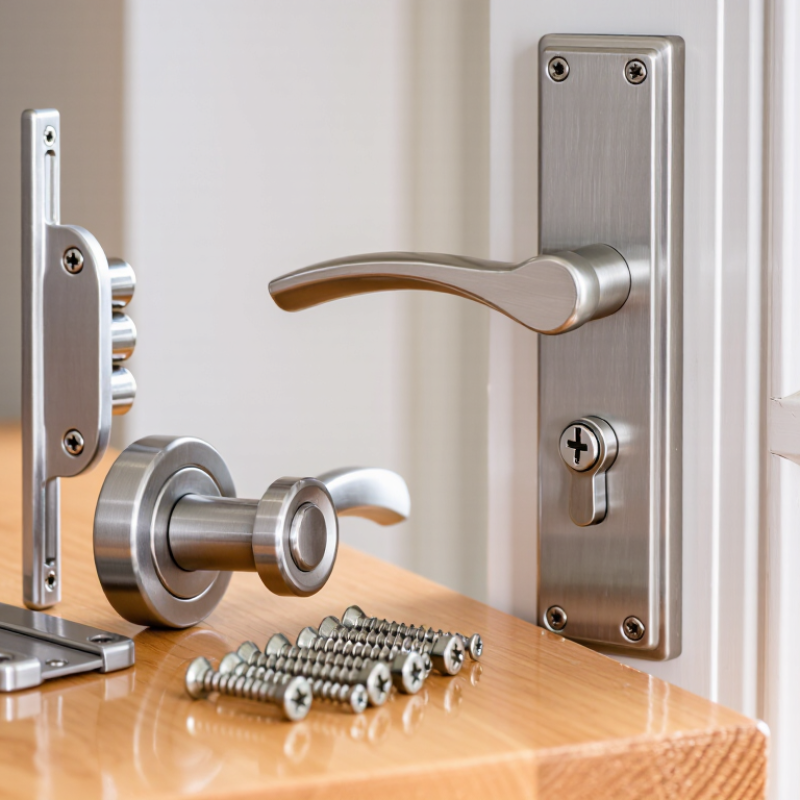
Table of Contents [Hide]
Define Andersen Door Compatibility by Model, Backset, Spindle, and Door Thickness
A replacement storm door handle should match the door’s hardware layout, not just its appearance. Start with the model or series number, often printed on a label near the hinge edge or concealed beneath the handle. If the label is missing, record the lock shape, screw spacing, and opening direction. A clear photo beside a ruler can help a supplier compare the existing setup. Still, photos alone may not reveal every measurement.
Measure the backset from the door’s edge to the center of the handle or lock opening. Check the spindle’s shape and length; a square spindle that is too short may not engage the interior handle. Measure door thickness at the handle area, since trim or weather seals can make a rough estimate misleading. Small differences matter. Compare these measurements with the replacement’s specifications before ordering, and confirm whether the package includes the needed spindle and fasteners. If one dimension is uncertain, measure again rather than forcing a close fit. That extra check can prevent a loose handle or a latch that fails to retract smoothly.

© Copyright - Pro Tool & Supply - Site by SVM E-Marketing Solutions - Sitemap
- Privacy policy