- Products
- Air Compressors & Air Tools
- Climate Control
- Compaction Equipment
- Concrete Cutting Tools & Equipment
- Concrete and Masonry
- Demolition & Excavation
- Electrical & Mechanical
- Fasteners and Anchoring Adhesives
- Floor Protection
- Generators and Welders
- Hand Tools
- Heaters
- Janitorial and Office Supplies
- Jobsite Protection
- Ladders & Storage
- Lighting & Lighting Accessories
- Man Lifts
- Material Handling Equipment
- Power Tools
- Pressure Washers & Pumps
- Safety Gear
- Safety Products
- Saws
- Surface Preparation
- SEASONAL PRODUCTS
- Rentals
- Air Compressor and Air Tool Rentals
- Climate Control Rental
- Compaction Rentals
- Concrete Equipment Rentals
- Demolition & Excavation Equipment Rentals
- Concrete Floor Grinder Rentals
- General Construction Equipment Rentals
- Generator Rentals and Welder Rentals
- Heater Rentals
- Light Tower Rentals
- Man Lift Rentals in Massachusetts and Rhode Island
- Material Handling Equipment Rentals
- Pressure Washer & Pump Rentals
- Saw Rentals in New England
- SEASONAL PRODUCTS
- Products
- Air Compressors & Air Tools
- Climate Control
- Compaction Equipment
- Concrete Cutting Tools & Equipment
- Demolition & Excavation
- Electrical & Mechanical
- Floor Protection
- Generators and Welders
- Construction Heaters
- Construction Ladders, Staging, & Storage
- Construction Lighting
- Man Lifts
- Material Handling Equipment
- Industrial Janitorial and Office Supplies
- Pressure Washers & Pumps
- Construction Safety Products
- Construction Safety Gear
- Surface Preparation
- Building Protection
- Diesel Accessories
- Zero Emissions
- Rentals
- Air Compressor and Air Tool Rentals
- Climate Control Rental
- Compaction Rentals
- Concrete Equipment Rental
- Demolition & Excavation Equipment Rental
- General Construction Equipment Rental
- Generator Rentals and Welder Rentals
- Construction Heaters Rental
- Light Tower Rentals
- Man Lift Rentals
- Material Handling Equipment Rental
- Pressure Washer & Pump Rentals
- Saw Rentals in New England
- Concrete Floor Grinder Rentals
- Zero Emissions Rentals
- Repairs & Used
- Parts
- Blog
- Services
- Resources
- About Us
- Contact Us
Sales & Rental of Construction | Industrial Equipment & Supplies


Top Air Tools for Your Workshop Essentials and Uses?
In the world of tools, "air tools" are essential for any workshop. These tools rely on compressed air, making them powerful and efficient. According to expert John Harris, "Air tools provide a unique advantage in speed and precision that manual tools can't match." This statement highlights the value of incorporating these tools into your workflow.
Many users find air tools transform their work processes. They can handle heavy-duty tasks, from sanding to drilling, with ease. Imagine the satisfaction of using a high-quality air wrench to tighten bolts in seconds. However, not all tools are created equal. Some may lack durability or power. Choosing the right air tools requires careful consideration.
Air tools do have downsides. They need a compressor, which can be an additional expense. Maintenance is also key; neglect can lead to performance losses. Users often must invest time in learning how to best use these tools. This necessity for practice can be frustrating, but the return on investment is usually worth it. Overall, air tools represent an evolution in workshop technology that can greatly improve efficiency when used correctly.

Table of Contents
[Hide]
Essential Air Tools for Every Workshop: A Comprehensive Guide
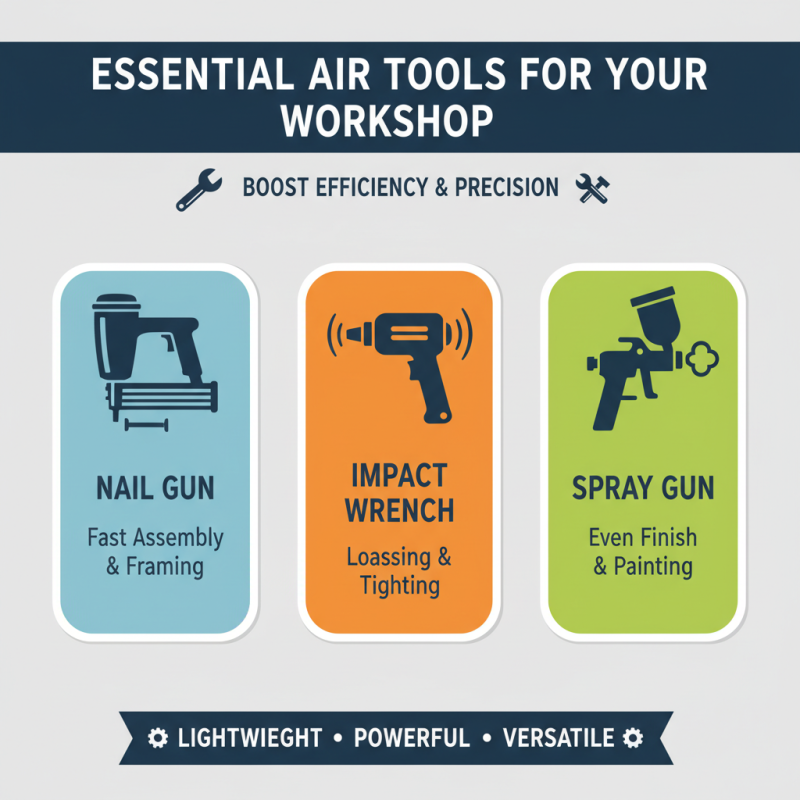
When setting up a workshop, having the right air tools is crucial. They enhance efficiency and precision. Pneumatic tools are lightweight and easy to handle, making them ideal for extended use. Common air tools include nail guns, impact wrenches, and spray guns. Each tool has unique applications that can streamline your projects.
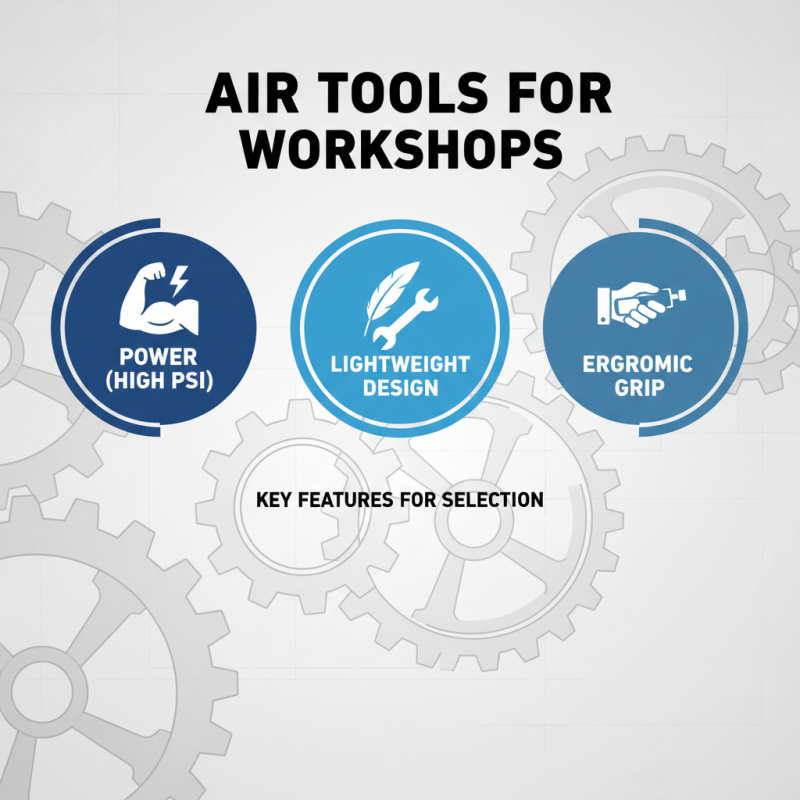
Tip: Always check the pressure requirements for each tool. Too much pressure can damage the tool or your project. Inspect hoses for leaks regularly. Air loss can lead to inefficiency and higher energy costs. It's essential to keep your workspace organized. Tools should have designated spots to avoid clutter.
Air tools can improve your workflow significantly. However, improper use could lead to mistakes. For example, using an air sander without proper technique might ruin a surface. Learning the correct usage is vital. Don’t hesitate to seek advice or guidance when trying a new tool. Strive for accuracy, even when it feels slower. That can pay off in the long run.
Related Posts
-
2025 Top 5 Air Compressors for Air Tools You Should Consider
-
2026 Best Construction Tools for Every Builder's Toolkit?
-

New Tools Tips for Effective Productivity in 2025?
-

Exploring the Evolution of Shop Tools from Handheld Gadgets to Smart Technology
-

10 Best New Construction Tools for Efficient Building in 2026?
-

How to Choose the Best Professional Tools for Your Business Needs?

© Copyright - Pro Tool & Supply - Site by SVM E-Marketing Solutions - Sitemap
- Privacy policy