- Products
- Air Compressors & Air Tools
- Climate Control
- Compaction Equipment
- Concrete Cutting Tools & Equipment
- Concrete and Masonry
- Demolition & Excavation
- Electrical & Mechanical
- Fasteners and Anchoring Adhesives
- Floor Protection
- Generators and Welders
- Hand Tools
- Heaters
- Janitorial and Office Supplies
- Jobsite Protection
- Ladders & Storage
- Lighting & Lighting Accessories
- Man Lifts
- Material Handling Equipment
- Power Tools
- Pressure Washers & Pumps
- Safety Gear
- Safety Products
- Saws
- Surface Preparation
- SEASONAL PRODUCTS
- Rentals
- Air Compressor and Air Tool Rentals
- Climate Control Rental
- Compaction Rentals
- Concrete Equipment Rentals
- Demolition & Excavation Equipment Rentals
- Concrete Floor Grinder Rentals
- General Construction Equipment Rentals
- Generator Rentals and Welder Rentals
- Heater Rentals
- Light Tower Rentals
- Man Lift Rentals in Massachusetts and Rhode Island
- Material Handling Equipment Rentals
- Pressure Washer & Pump Rentals
- Saw Rentals in New England
- SEASONAL PRODUCTS
- Products
- Air Compressors & Air Tools
- Climate Control
- Compaction Equipment
- Concrete Cutting Tools & Equipment
- Demolition & Excavation
- Electrical & Mechanical
- Floor Protection
- Generators and Welders
- Construction Heaters
- Construction Ladders, Staging, & Storage
- Construction Lighting
- Man Lifts
- Material Handling Equipment
- Industrial Janitorial and Office Supplies
- Pressure Washers & Pumps
- Construction Safety Products
- Construction Safety Gear
- Surface Preparation
- Building Protection
- Diesel Accessories
- Zero Emissions
- Rentals
- Air Compressor and Air Tool Rentals
- Climate Control Rental
- Compaction Rentals
- Concrete Equipment Rental
- Demolition & Excavation Equipment Rental
- General Construction Equipment Rental
- Generator Rentals and Welder Rentals
- Construction Heaters Rental
- Light Tower Rentals
- Man Lift Rentals
- Material Handling Equipment Rental
- Pressure Washer & Pump Rentals
- Saw Rentals in New England
- Concrete Floor Grinder Rentals
- Zero Emissions Rentals
- Repairs & Used
- Parts
- Blog
- Services
- Resources
- About Us
- Contact Us
Sales & Rental of Construction | Industrial Equipment & Supplies


Top 5 Aeration Process Methods in Wastewater Treatment?
In recent years, the importance of the Aeration Process In Wastewater Treatment has gained significant attention. Experts, like Dr. Emily Carter, an esteemed environmental engineer, emphasized, "Effective aeration is crucial for maximizing biological treatment efficiency." This highlights the vital role of aeration in promoting the breakdown of organic pollutants.
The aeration process aids in introducing oxygen into wastewater, facilitating microbial growth. This process is fundamental for enhancing the treatment of effluent. However, selecting the right aeration method can be challenging. Each method has its strengths and limitations, leading to diverse approaches in various treatment plants.
Understanding the top aeration methods can greatly impact treatment efficiency. It offers insights into optimization and potential pitfalls. Implementing the right technique is not just about efficiency; it's about sustainability and compliance with environmental standards. As the industry evolves, constant reflection on these methods is essential for continuous improvement and better environmental outcomes.
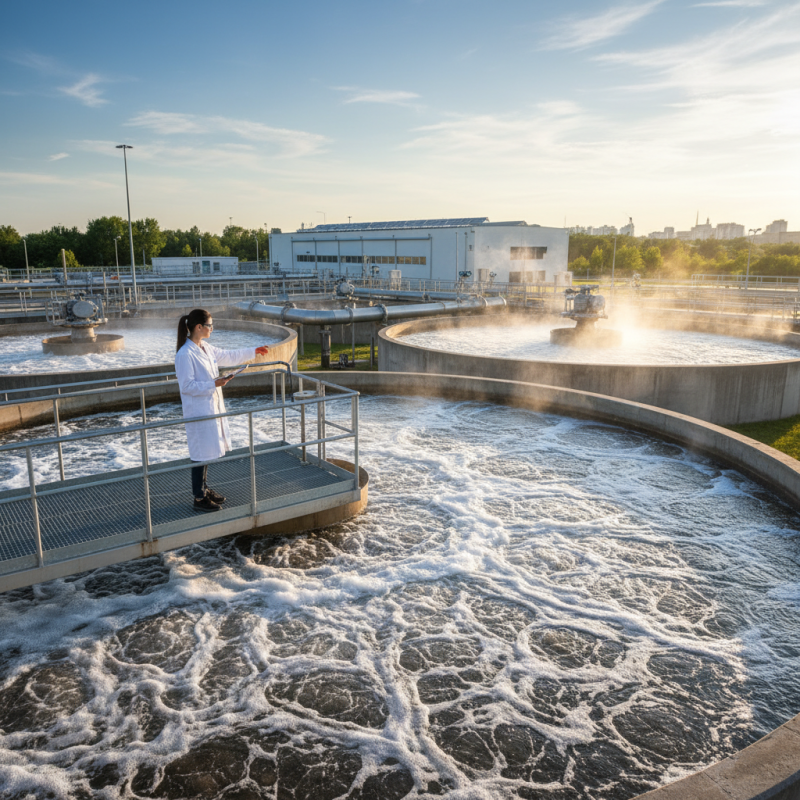
Table of Contents [Hide]
Overview of Aeration Processes in Wastewater Treatment
Aeration is a crucial step in wastewater treatment, as it enhances biological processes. By injecting air into wastewater, microorganisms thrive. These organisms break down organic matter, leading to cleaner water. Several aeration methods exist, each with unique benefits.
One common method is diffused aeration. This process uses air stones or diffusers to release small bubbles. The bubbles rise through the water, maximizing the surface area for oxygen transfer. It's effective and energy-efficient. Another method is surface aeration, where machines agitate the water. This may not be as efficient but can be simpler to operate.
Tip: Regularly inspect diffusers for blockages. Clogged diffusers diminish aeration efficiency.
Certain methods also come with challenges. For instance, high energy costs can arise from mechanical systems. Operators should monitor energy consumption closely. Over-aerating can lead to excessive nutrient removal, impacting downstream processes.
Tip: Consider using variable speed drives to optimize aeration energy use. This can adapt to changing oxygen demands.
Selecting the right aeration process is vital. The choice often depends on facility size and wastewater characteristics. Operators should continuously evaluate performance and seek improvements for effective treatment outcomes.
Top 5 Aeration Process Methods in Wastewater Treatment
| Aeration Method | Description | Advantages | Disadvantages | Typical Applications |
|---|---|---|---|---|
| Diffused Aeration | Involves the use of diffusers to introduce air into the wastewater. | Efficient oxygen transfer; low operational costs. | Potential clogging issues; requires maintenance of diffusers. | Activated sludge processes; lagoons. |
| Mechanical Aeration | Utilizes mechanical devices to agitate the water and expose it to air. | Effective mixing; quick start-up time. | Higher energy consumption; noise generation. | Treatment plants; industrial applications. |
| Surface Aerators | Devices that float on the surface and mix water and air. | Low capital cost; straightforward installation. | Limited oxygen transfer efficiency; potential for odor issues. | Small ponds; lagoons. |
| Submerged Aerators | Aerators placed underwater with a design for oxygen transfer. | Compact design; reduced evaporation. | Requires special maintenance access; initial costs may be high. | Large treatment facilities; specific industrial uses. |
| Cascade Aerators | Water is allowed to flow down a series of steps to aerate. | High aeration efficiency; low energy use. | Can require large land area; sensitive to weather changes. | Natural treatment systems; large surface area applications. |

© Copyright - Pro Tool & Supply - Site by SVM E-Marketing Solutions - Sitemap
- Privacy policy