- Products
- Air Compressors & Air Tools
- Climate Control
- Compaction Equipment
- Concrete Cutting Tools & Equipment
- Concrete and Masonry
- Demolition & Excavation
- Electrical & Mechanical
- Fasteners and Anchoring Adhesives
- Floor Protection
- Generators and Welders
- Hand Tools
- Heaters
- Janitorial and Office Supplies
- Jobsite Protection
- Ladders & Storage
- Lighting & Lighting Accessories
- Man Lifts
- Material Handling Equipment
- Power Tools
- Pressure Washers & Pumps
- Safety Gear
- Safety Products
- Saws
- Surface Preparation
- SEASONAL PRODUCTS
- Rentals
- Air Compressor and Air Tool Rentals
- Climate Control Rental
- Compaction Rentals
- Concrete Equipment Rentals
- Demolition & Excavation Equipment Rentals
- Concrete Floor Grinder Rentals
- General Construction Equipment Rentals
- Generator Rentals and Welder Rentals
- Heater Rentals
- Light Tower Rentals
- Man Lift Rentals in Massachusetts and Rhode Island
- Material Handling Equipment Rentals
- Pressure Washer & Pump Rentals
- Saw Rentals in New England
- SEASONAL PRODUCTS
- Products
- Air Compressors & Air Tools
- Climate Control
- Compaction Equipment
- Concrete Cutting Tools & Equipment
- Demolition & Excavation
- Electrical & Mechanical
- Floor Protection
- Generators and Welders
- Construction Heaters
- Construction Ladders, Staging, & Storage
- Construction Lighting
- Man Lifts
- Material Handling Equipment
- Industrial Janitorial and Office Supplies
- Pressure Washers & Pumps
- Construction Safety Products
- Construction Safety Gear
- Surface Preparation
- Building Protection
- Diesel Accessories
- Zero Emissions
- Rentals
- Air Compressor and Air Tool Rentals
- Climate Control Rental
- Compaction Rentals
- Concrete Equipment Rental
- Demolition & Excavation Equipment Rental
- General Construction Equipment Rental
- Generator Rentals and Welder Rentals
- Construction Heaters Rental
- Light Tower Rentals
- Man Lift Rentals
- Material Handling Equipment Rental
- Pressure Washer & Pump Rentals
- Saw Rentals in New England
- Concrete Floor Grinder Rentals
- Zero Emissions Rentals
- Repairs & Used
- Parts
- Blog
- Services
- Resources
- About Us
- Contact Us
Sales & Rental of Construction | Industrial Equipment & Supplies


What Are the Top 10 TV Stands With Fireplace?
A TV stand with a fireplace can make a living room feel warmer and more finished, but the right choice depends on more than appearance. Screen size, room layout, heat output, storage, and installation clearances all matter. A glossy cabinet may look striking online; in a small room, it can feel bulky beside a low sofa. Details count.
This guide compares ten popular options, from compact units for apartments to wide consoles with room for game systems, remotes, and media devices. We’ll consider dimensions, materials, heating features, flame settings, cable management, and everyday usability. A bright flame effect can add atmosphere without heat, while adjustable thermostats help make heated settings more manageable. Always check the manufacturer’s instructions and room-specific requirements before buying.
A verified quotation from a named fireplace-industry expert was not provided, so I won’t invent one or attribute made-up advice to a real person. Instead, this comparison follows a practical rule: “Measure the room, check the clearances, then choose the style.” It is simple, perhaps too simple—but easy to overlook when a product photo looks perfect. The top pick should fit your space and routine, not just your screen.
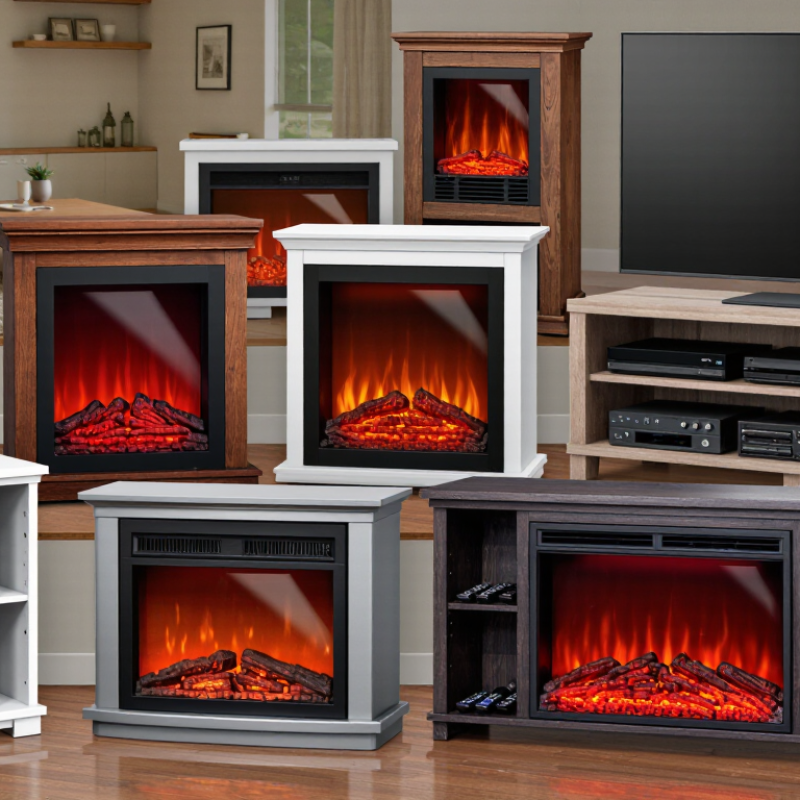
Table of Contents [Hide]
Electric Fireplace TV Stands Explained: 1,500-Watt Heater Fundamentals
Electric fireplace TV stands combine storage, display space, and supplemental heat in one cabinet. A 1,500-watt heater typically draws about 12.5 amps on a 120-volt circuit. It produces roughly 5,100 BTUs per hour, though real output varies by design and room conditions.
That power suits many small or medium rooms, but it will not replace a central heating system. Check the manufacturer’s stated coverage area rather than trusting appearance. A cold, drafty room may feel less comfortable than its advertised size suggests. I would also measure the television base carefully. Some stands look wide enough, yet leave little support near the edges.
Safety deserves more attention than decorative flame effects. Use a grounded wall outlet when possible, and avoid sharing the circuit with high-draw appliances. Keep curtains, paper, blankets, and furniture away from the heater outlet. The cabinet should sit on a level surface, with ventilation openings uncovered. A thermostat, overheat protection, and an automatic shutoff are practical features, not marketing ornaments.
When comparing the top ten TV stands with fireplaces, inspect heat settings, cord placement, noise, storage strength, and assembly quality. A quiet fan matters during a movie. So does a stable shelf. I once underestimated cable space, and the rear panel became awkwardly crowded. That small mistake changed my view of “clean” design. Check safety certification for your region, and follow the supplied installation instructions exactly. Heat is useful, but it is never harmless.

© Copyright - Pro Tool & Supply - Site by SVM E-Marketing Solutions - Sitemap
- Privacy policy