- Products
- Air Compressors & Air Tools
- Climate Control
- Compaction Equipment
- Concrete Cutting Tools & Equipment
- Concrete and Masonry
- Demolition & Excavation
- Electrical & Mechanical
- Fasteners and Anchoring Adhesives
- Floor Protection
- Generators and Welders
- Hand Tools
- Heaters
- Janitorial and Office Supplies
- Jobsite Protection
- Ladders & Storage
- Lighting & Lighting Accessories
- Man Lifts
- Material Handling Equipment
- Power Tools
- Pressure Washers & Pumps
- Safety Gear
- Safety Products
- Saws
- Surface Preparation
- SEASONAL PRODUCTS
- Rentals
- Air Compressor and Air Tool Rentals
- Climate Control Rental
- Compaction Rentals
- Concrete Equipment Rentals
- Demolition & Excavation Equipment Rentals
- Concrete Floor Grinder Rentals
- General Construction Equipment Rentals
- Generator Rentals and Welder Rentals
- Heater Rentals
- Light Tower Rentals
- Man Lift Rentals in Massachusetts and Rhode Island
- Material Handling Equipment Rentals
- Pressure Washer & Pump Rentals
- Saw Rentals in New England
- SEASONAL PRODUCTS
- Products
- Air Compressors & Air Tools
- Climate Control
- Compaction Equipment
- Concrete Cutting Tools & Equipment
- Demolition & Excavation
- Electrical & Mechanical
- Floor Protection
- Generators and Welders
- Construction Heaters
- Construction Ladders, Staging, & Storage
- Construction Lighting
- Man Lifts
- Material Handling Equipment
- Industrial Janitorial and Office Supplies
- Pressure Washers & Pumps
- Construction Safety Products
- Construction Safety Gear
- Surface Preparation
- Building Protection
- Diesel Accessories
- Zero Emissions
- Rentals
- Air Compressor and Air Tool Rentals
- Climate Control Rental
- Compaction Rentals
- Concrete Equipment Rental
- Demolition & Excavation Equipment Rental
- General Construction Equipment Rental
- Generator Rentals and Welder Rentals
- Construction Heaters Rental
- Light Tower Rentals
- Man Lift Rentals
- Material Handling Equipment Rental
- Pressure Washer & Pump Rentals
- Saw Rentals in New England
- Concrete Floor Grinder Rentals
- Zero Emissions Rentals
- Repairs & Used
- Parts
- Blog
- Services
- Resources
- About Us
- Contact Us
Sales & Rental of Construction | Industrial Equipment & Supplies


Top 10 Power Switchgear Manufacturers for Global Buyers
Choosing a switchgear supplier is a practical decision with long-term consequences. A substation cabinet must handle load changes, protect connected equipment, and remain serviceable in real operating conditions. Buyers also compare voltage range, tested performance, customization, delivery capacity, and after-sales support. A polished brochure is not enough. Ask for technical documentation and clear answers about maintenance.
Power systems engineer John D. McDonald has written extensively about modernizing the grid and integrating intelligent technologies. A fair paraphrase of his work’s central lesson is: “Reliable power depends on sound engineering and informed decisions.” This is a paraphrase, not a direct quotation. It reflects why Switchgear Power buyers should assess both product specifications and the manufacturer’s ability to support equipment throughout its service life.
This overview examines ten manufacturers serving global buyers. It considers product breadth, application experience, quality processes, and international support, while recognizing that availability varies by market. A large name does not guarantee the best fit. Neither does a low quote. Buyers should compare evidence, not promises: test reports, service arrangements, spare-parts access, and references for similar installations. Details matter. Some comparisons may remain imperfect because public information differs between companies. Use the list as a starting point, then verify each supplier against your project’s voltage, site conditions, and operating needs.
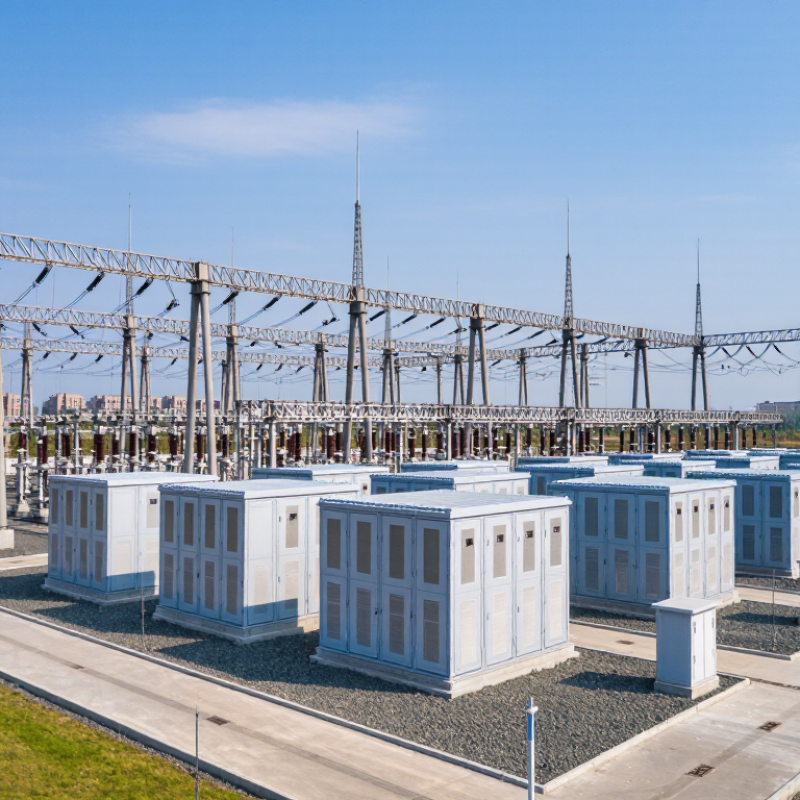
Table of Contents [Hide]
Understanding Power Switchgear and Its Role in Electrical Systems
Power switchgear is the group of devices that controls, protects, and isolates electrical circuits. It may include circuit breakers, disconnect switches, protective relays, and measurement equipment. Together, these components help manage power from a utility connection or generator to the loads that need it.
When a fault occurs, such as a short circuit, a circuit breaker can interrupt the current before heat damages cables or equipment. Relays monitor electrical conditions and signal when protection is needed. Switchgear also allows technicians to isolate part of a system for inspection or maintenance. In a factory, that might mean shutting off one motor feeder while other production lines remain powered. Ratings matter: voltage, current, fault levels, installation conditions, and coordination with upstream protection all affect equipment selection. A design can look sound on paper and still need careful review against real operating conditions.
Tips: Check the rated voltage and short-circuit withstand capacity against the site’s requirements. Confirm enclosure protection, room clearance, and access for maintenance. Ask how protective settings will be tested and documented. Small details are easy to overlook, and specifications alone do not guarantee a trouble-free installation.
Top 10 Power Switchgear Manufacturers for Global Buyers - Understanding Power Switchgear and Its Role in Electrical Systems
Use this checklist to compare suppliers. It describes evaluation criteria rather than ranking or identifying specific manufacturers; product suitability depends on the project design and applicable local requirements.
| No. | Buyer evaluation area | What to compare | Why it matters in a power system |
|---|---|---|---|
| 1 | Voltage and application range | Rated voltage, rated current, frequency, and intended use in low-, medium-, or high-voltage networks. | Switchgear must match the network and equipment ratings for safe operation. |
| 2 | Short-circuit performance | Rated short-time withstand current, peak withstand current, and circuit-breaker breaking capacity. | These ratings help determine whether equipment can withstand and interrupt fault currents in the installation. |
| 3 | Applicable standards | Standards and conformity documentation relevant to the product type and destination market, such as applicable IEC or IEEE/ANSI requirements. | Requirements vary by equipment and jurisdiction; project specifications and local rules govern acceptance. |
| 4 | Insulation and enclosure design | Air, gas, or solid insulation; enclosure protection rating; indoor or outdoor suitability; and environmental limits. | The design affects installation footprint, environmental protection, and maintenance requirements. |
| 5 | Safety and interlocking | Mechanical and electrical interlocks, earthing arrangements, access controls, and documented operating procedures. | Appropriate safeguards help reduce the risk of unsafe switching and access to energized parts. |
| 6 | Protection and control | Protection relay options, metering, control schemes, auxiliary supplies, and communication interfaces. | Protection and control functions support fault detection, isolation, monitoring, and coordination with the wider system. |
| 7 | System integration | Single-line diagram compatibility, cable and busbar interfaces, space requirements, and integration with existing equipment. | Correct interfaces and coordinated design help avoid installation conflicts and operational limitations. |
| 8 | Testing and documentation | Routine and type-test evidence as applicable, drawings, ratings, manuals, and inspection records. | Complete records support engineering review, commissioning, operation, and maintenance. |
| 9 | Service and spare parts | Local technical support, commissioning assistance, spare-parts availability, and stated service arrangements. | Support needs can affect maintenance planning and equipment availability over its service life. |
| 10 | Lifecycle and project fit | Delivery schedule, installation and maintenance requirements, operating environment, and total project cost. | A suitable selection balances technical compliance, maintainability, project constraints, and lifecycle needs. |
Note: Confirm equipment ratings, standards, certifications, and project suitability against the specification and the requirements of the installation location.

© Copyright - Pro Tool & Supply - Site by SVM E-Marketing Solutions - Sitemap
- Privacy policy