- Products
- Air Compressors & Air Tools
- Climate Control
- Compaction Equipment
- Concrete Cutting Tools & Equipment
- Concrete and Masonry
- Demolition & Excavation
- Electrical & Mechanical
- Fasteners and Anchoring Adhesives
- Floor Protection
- Generators and Welders
- Hand Tools
- Heaters
- Janitorial and Office Supplies
- Jobsite Protection
- Ladders & Storage
- Lighting & Lighting Accessories
- Man Lifts
- Material Handling Equipment
- Power Tools
- Pressure Washers & Pumps
- Safety Gear
- Safety Products
- Saws
- Surface Preparation
- SEASONAL PRODUCTS
- Rentals
- Air Compressor and Air Tool Rentals
- Climate Control Rental
- Compaction Rentals
- Concrete Equipment Rentals
- Demolition & Excavation Equipment Rentals
- Concrete Floor Grinder Rentals
- General Construction Equipment Rentals
- Generator Rentals and Welder Rentals
- Heater Rentals
- Light Tower Rentals
- Man Lift Rentals in Massachusetts and Rhode Island
- Material Handling Equipment Rentals
- Pressure Washer & Pump Rentals
- Saw Rentals in New England
- SEASONAL PRODUCTS
- Products
- Air Compressors & Air Tools
- Climate Control
- Compaction Equipment
- Concrete Cutting Tools & Equipment
- Demolition & Excavation
- Electrical & Mechanical
- Floor Protection
- Generators and Welders
- Construction Heaters
- Construction Ladders, Staging, & Storage
- Construction Lighting
- Man Lifts
- Material Handling Equipment
- Industrial Janitorial and Office Supplies
- Pressure Washers & Pumps
- Construction Safety Products
- Construction Safety Gear
- Surface Preparation
- Building Protection
- Diesel Accessories
- Zero Emissions
- Rentals
- Air Compressor and Air Tool Rentals
- Climate Control Rental
- Compaction Rentals
- Concrete Equipment Rental
- Demolition & Excavation Equipment Rental
- General Construction Equipment Rental
- Generator Rentals and Welder Rentals
- Construction Heaters Rental
- Light Tower Rentals
- Man Lift Rentals
- Material Handling Equipment Rental
- Pressure Washer & Pump Rentals
- Saw Rentals in New England
- Concrete Floor Grinder Rentals
- Zero Emissions Rentals
- Repairs & Used
- Parts
- Blog
- Services
- Resources
- About Us
- Contact Us
Sales & Rental of Construction | Industrial Equipment & Supplies


Top 10 Muffle Furnace Manufacturers Worldwide?
A Muffle Furnace may look like a simple heated box, but choosing one involves more than comparing maximum temperatures. Chamber size, temperature uniformity, heating elements, control accuracy, and service support all affect daily results. A small laboratory furnace, for example, may handle crucibles and ash testing well, while a production unit needs different capacity and maintenance planning. The details matter.
This guide compares ten manufacturers worldwide through practical buying criteria: product range, stated specifications, application support, and the clarity of available technical information. Buyers should check each model’s published operating limits and confirm whether its chamber dimensions fit their actual samples. A polished product page is not proof of long-term reliability. It is only a starting point.
A quotation attributed to a named Muffle Furnace expert needs a verifiable source. None was provided with the request, so inventing an expert or claiming an unverified sentence as a real quotation would weaken the article’s credibility. A suitable verified quotation can add useful context about temperature control, service life, or application fit. Without it, a more honest guiding principle is simple: compare evidence, not promises. Even this comparison has limits; manufacturer claims are not independent performance tests.
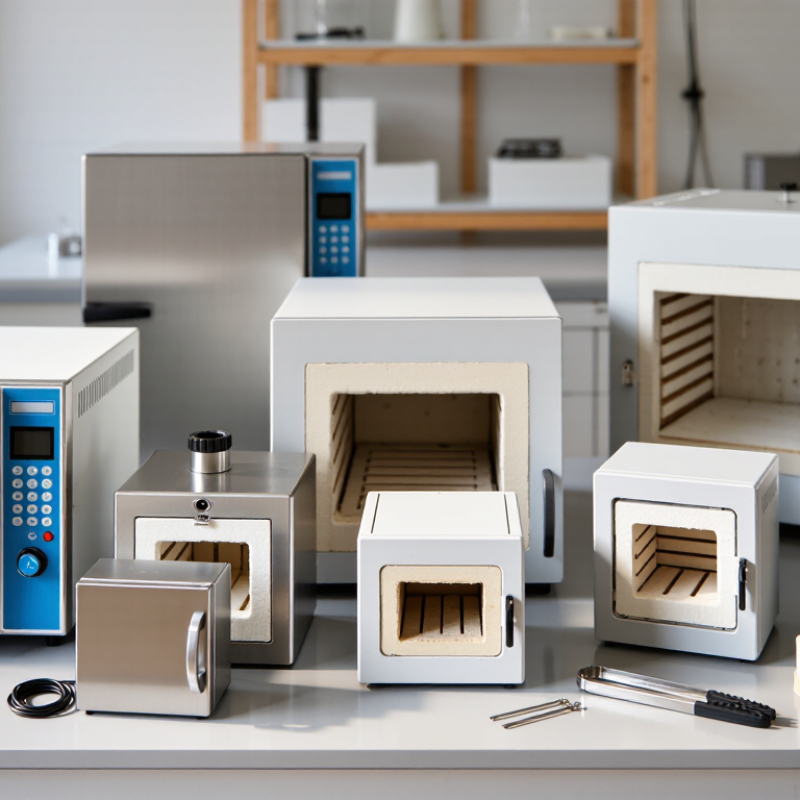
Table of Contents [Hide]
Muffle Furnace Principles and Typical Operating Ranges from 1,000 to 1,800°C
A muffle furnace heats material inside an insulated chamber, usually with electric elements surrounding the work zone. The sample is separated from the heating elements and direct combustion products. This helps limit contamination, though it does not guarantee a chemically clean atmosphere. In ordinary air, hot samples can still oxidize.
Operating ranges depend on the furnace design. Many laboratory units handle routine work around 1,000–1,200°C. Specialized models may reach 1,400–1,600°C, while some are rated up to 1,800°C. A maximum rating is not necessarily a suitable continuous working temperature. Details matter. Element material, insulation, thermocouple type, and chamber load all affect performance. At higher temperatures, small differences in placement can create meaningful gradients.
For dependable results, consider the required sample temperature, not just the number on the nameplate. Check the stated uniformity across the usable chamber and allow for the slower heating or cooling that delicate materials may need. A calibrated controller helps, but it cannot correct poor loading or an unsuitable sensor position. A neat specification sheet can still mislead. That distinction is easy to miss when comparing furnaces.

© Copyright - Pro Tool & Supply - Site by SVM E-Marketing Solutions - Sitemap
- Privacy policy