- Products
- Air Compressors & Air Tools
- Climate Control
- Compaction Equipment
- Concrete Cutting Tools & Equipment
- Concrete and Masonry
- Demolition & Excavation
- Electrical & Mechanical
- Fasteners and Anchoring Adhesives
- Floor Protection
- Generators and Welders
- Hand Tools
- Heaters
- Janitorial and Office Supplies
- Jobsite Protection
- Ladders & Storage
- Lighting & Lighting Accessories
- Man Lifts
- Material Handling Equipment
- Power Tools
- Pressure Washers & Pumps
- Safety Gear
- Safety Products
- Saws
- Surface Preparation
- SEASONAL PRODUCTS
- Rentals
- Air Compressor and Air Tool Rentals
- Climate Control Rental
- Compaction Rentals
- Concrete Equipment Rentals
- Demolition & Excavation Equipment Rentals
- Concrete Floor Grinder Rentals
- General Construction Equipment Rentals
- Generator Rentals and Welder Rentals
- Heater Rentals
- Light Tower Rentals
- Man Lift Rentals in Massachusetts and Rhode Island
- Material Handling Equipment Rentals
- Pressure Washer & Pump Rentals
- Saw Rentals in New England
- SEASONAL PRODUCTS
- Products
- Air Compressors & Air Tools
- Climate Control
- Compaction Equipment
- Concrete Cutting Tools & Equipment
- Demolition & Excavation
- Electrical & Mechanical
- Floor Protection
- Generators and Welders
- Construction Heaters
- Construction Ladders, Staging, & Storage
- Construction Lighting
- Man Lifts
- Material Handling Equipment
- Industrial Janitorial and Office Supplies
- Pressure Washers & Pumps
- Construction Safety Products
- Construction Safety Gear
- Surface Preparation
- Building Protection
- Diesel Accessories
- Zero Emissions
- Rentals
- Air Compressor and Air Tool Rentals
- Climate Control Rental
- Compaction Rentals
- Concrete Equipment Rental
- Demolition & Excavation Equipment Rental
- General Construction Equipment Rental
- Generator Rentals and Welder Rentals
- Construction Heaters Rental
- Light Tower Rentals
- Man Lift Rentals
- Material Handling Equipment Rental
- Pressure Washer & Pump Rentals
- Saw Rentals in New England
- Concrete Floor Grinder Rentals
- Zero Emissions Rentals
- Repairs & Used
- Parts
- Blog
- Services
- Resources
- About Us
- Contact Us
Sales & Rental of Construction | Industrial Equipment & Supplies


Top 10 Melt Filtration Disc Suppliers Worldwide?
Choosing the right Melt Filtration Disc supplier can influence product quality, equipment life, and production stability. In polymer processing, a small filtration component faces intense heat, pressure, and continuous material flow. Its mesh design, alloy quality, welding accuracy, and dimensional consistency matter greatly.
This guide introduces ten notable suppliers serving markets worldwide. The comparison focuses on manufacturing experience, filtration performance, customization options, quality control, and customer support. Practical factors also matter. A supplier may offer a fine filtration rating, yet struggle with delivery schedules or technical communication. Another may provide excellent prototypes but limited large-volume capacity. Details like disc diameter, layer structure, edge finish, and operating temperature can affect the final decision.
No list is perfect.
Supplier rankings can change as factories expand, certifications improve, or customer needs shift. Public information may also omit important production details. Therefore, buyers should verify test reports, material certificates, sample performance, and application references before placing an order. Speaking with a technical representative is often more useful than reading a polished brochure. In real production, even a tiny burr can disturb screen changes or create pressure fluctuations. This article aims to provide a practical starting point, not a substitute for engineering evaluation. Readers should compare each supplier against their own polymer type, melt pressure, filtration accuracy, and maintenance expectations. Reliability is proven on the production floor.
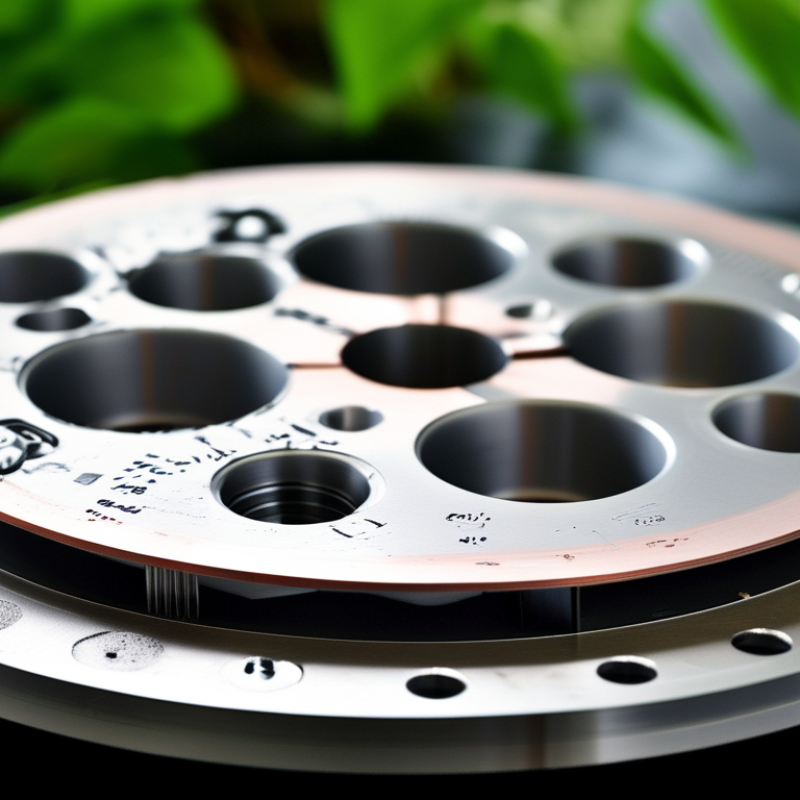
Table of Contents [Hide]
What Are Melt Filtration Discs and How Do They Work?
Melt filtration discs are porous metal components used to clean molten polymers before extrusion, molding, or pelletizing. They trap gels, carbonized particles, unmelted resin, and other solid contaminants. Most discs use woven wire mesh, sintered metal, or layered filtration media. Their pore size determines which particles remain in the melt.
During operation, the polymer flows through the disc under pressure. Contaminants stay on the upstream surface, while cleaner melt passes through the openings. As the filter loads, pressure rises across the disc. Operators monitor this pressure difference to decide when cleaning or replacement is necessary. The process sounds simple. It is not always predictable.
When comparing the top ten melt filtration disc suppliers worldwide, buyers should examine filtration accuracy, alloy quality, disc thickness, flow capacity, and production consistency. Technical drawings should state mesh count, micron rating, operating temperature, and allowable pressure. A disc that performs well in one polymer may restrict another. Viscosity changes matter.
Plant trials often reveal details that brochures miss, including edge leakage, warping, or difficult cleaning. I would not judge a supplier by price alone. A cheaper disc can create unstable pressure and more production waste. Still, higher cost does not guarantee better performance. Trial data, inspection records, and responsive technical support offer stronger evidence. Even experienced teams can overlook how resin additives shorten filter life.

© Copyright - Pro Tool & Supply - Site by SVM E-Marketing Solutions - Sitemap
- Privacy policy