- Products
- Air Compressors & Air Tools
- Climate Control
- Compaction Equipment
- Concrete Cutting Tools & Equipment
- Concrete and Masonry
- Demolition & Excavation
- Electrical & Mechanical
- Fasteners and Anchoring Adhesives
- Floor Protection
- Generators and Welders
- Hand Tools
- Heaters
- Janitorial and Office Supplies
- Jobsite Protection
- Ladders & Storage
- Lighting & Lighting Accessories
- Man Lifts
- Material Handling Equipment
- Power Tools
- Pressure Washers & Pumps
- Safety Gear
- Safety Products
- Saws
- Surface Preparation
- SEASONAL PRODUCTS
- Rentals
- Air Compressor and Air Tool Rentals
- Climate Control Rental
- Compaction Rentals
- Concrete Equipment Rentals
- Demolition & Excavation Equipment Rentals
- Concrete Floor Grinder Rentals
- General Construction Equipment Rentals
- Generator Rentals and Welder Rentals
- Heater Rentals
- Light Tower Rentals
- Man Lift Rentals in Massachusetts and Rhode Island
- Material Handling Equipment Rentals
- Pressure Washer & Pump Rentals
- Saw Rentals in New England
- SEASONAL PRODUCTS
- Products
- Air Compressors & Air Tools
- Climate Control
- Compaction Equipment
- Concrete Cutting Tools & Equipment
- Demolition & Excavation
- Electrical & Mechanical
- Floor Protection
- Generators and Welders
- Construction Heaters
- Construction Ladders, Staging, & Storage
- Construction Lighting
- Man Lifts
- Material Handling Equipment
- Industrial Janitorial and Office Supplies
- Pressure Washers & Pumps
- Construction Safety Products
- Construction Safety Gear
- Surface Preparation
- Building Protection
- Diesel Accessories
- Zero Emissions
- Rentals
- Air Compressor and Air Tool Rentals
- Climate Control Rental
- Compaction Rentals
- Concrete Equipment Rental
- Demolition & Excavation Equipment Rental
- General Construction Equipment Rental
- Generator Rentals and Welder Rentals
- Construction Heaters Rental
- Light Tower Rentals
- Man Lift Rentals
- Material Handling Equipment Rental
- Pressure Washer & Pump Rentals
- Saw Rentals in New England
- Concrete Floor Grinder Rentals
- Zero Emissions Rentals
- Repairs & Used
- Parts
- Blog
- Services
- Resources
- About Us
- Contact Us
Sales & Rental of Construction | Industrial Equipment & Supplies


China Top 10 Conveyor Rollers Manufacturers List
China’s conveyor industry serves mining, ports, warehouses, food processing, and many other operations. Choosing a supplier is not just a price decision. A roller that runs smoothly under light warehouse loads may perform differently beneath abrasive ore or damp material. Details matter.
This guide to China’s Top 10 Conveyor Rollers Manufacturers offers a practical starting point for comparing suppliers. It considers product range, manufacturing capabilities, customization, quality controls, and export experience. Buyers can also look closely at roller diameter, shaft design, bearing protection, sealing, and surface finish. These choices affect noise, maintenance intervals, and how reliably a conveyor tracks over time. Small parts count.
A capable Conveyor Rollers Manufacturer should be able to explain its specifications clearly and provide relevant product documentation. Still, a polished website alone cannot prove consistent production quality. Ask for drawings, material options, inspection details, and samples suited to your operating conditions. Where possible, compare lead times and after-sales support as carefully as unit prices. A low quotation may leave important questions unanswered.
The companies featured in a top-ten list may differ in scale, specialization, and service approach. No single supplier is automatically the best fit for every project. Treat rankings as a shortlist, then verify current capabilities directly with each manufacturer. Even careful research has limits; requirements change, and catalog descriptions can miss real-world constraints. A useful decision begins with clear operating data, not assumptions.
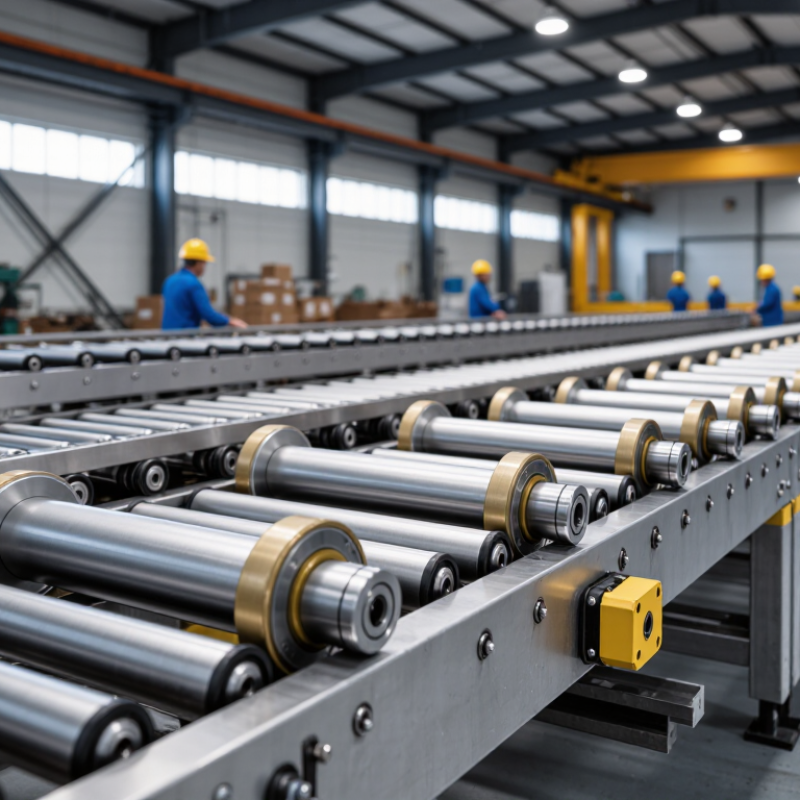
Table of Contents [Hide]
Definition and Role of Conveyor Rollers in Material Handling
Conveyor rollers are the rotating components that support and guide a conveyor belt or move individual loads along a conveyor frame. They are commonly arranged beneath the belt and at key points along its path. A roller may look simple, but its dimensions, bearing quality, surface, and spacing affect how smoothly materials travel. Small details matter.
In material handling, rollers reduce sliding friction and help carry the weight of products, packages, or bulk materials. Properly selected rollers can limit belt sag, keep loads stable, and reduce unnecessary strain on the conveyor drive. For example, a distribution line moving cartons needs rollers suited to the carton size and load, while a dusty bulk-handling area may need better sealing around bearings. Conditions vary.
Rollers also support tracking and transfers between conveyor sections. If they are misaligned, a belt may drift, wear unevenly, or spill material near a transfer point. Regular checks for noise, heat, damage, and free rotation can reveal problems early. A simple inspection helps. Still, inspection intervals depend on operating hours, load, and surroundings, so a fixed schedule may not fit every site. Roller choice is not glamorous, but overlooking it can disrupt an otherwise well-designed handling system.

© Copyright - Pro Tool & Supply - Site by SVM E-Marketing Solutions - Sitemap
- Privacy policy