- Products
- Air Compressors & Air Tools
- Climate Control
- Compaction Equipment
- Concrete Cutting Tools & Equipment
- Concrete and Masonry
- Demolition & Excavation
- Electrical & Mechanical
- Fasteners and Anchoring Adhesives
- Floor Protection
- Generators and Welders
- Hand Tools
- Heaters
- Janitorial and Office Supplies
- Jobsite Protection
- Ladders & Storage
- Lighting & Lighting Accessories
- Man Lifts
- Material Handling Equipment
- Power Tools
- Pressure Washers & Pumps
- Safety Gear
- Safety Products
- Saws
- Surface Preparation
- SEASONAL PRODUCTS
- Rentals
- Air Compressor and Air Tool Rentals
- Climate Control Rental
- Compaction Rentals
- Concrete Equipment Rentals
- Demolition & Excavation Equipment Rentals
- Concrete Floor Grinder Rentals
- General Construction Equipment Rentals
- Generator Rentals and Welder Rentals
- Heater Rentals
- Light Tower Rentals
- Man Lift Rentals in Massachusetts and Rhode Island
- Material Handling Equipment Rentals
- Pressure Washer & Pump Rentals
- Saw Rentals in New England
- SEASONAL PRODUCTS
- Products
- Air Compressors & Air Tools
- Climate Control
- Compaction Equipment
- Concrete Cutting Tools & Equipment
- Demolition & Excavation
- Electrical & Mechanical
- Floor Protection
- Generators and Welders
- Construction Heaters
- Construction Ladders, Staging, & Storage
- Construction Lighting
- Man Lifts
- Material Handling Equipment
- Industrial Janitorial and Office Supplies
- Pressure Washers & Pumps
- Construction Safety Products
- Construction Safety Gear
- Surface Preparation
- Building Protection
- Diesel Accessories
- Zero Emissions
- Rentals
- Air Compressor and Air Tool Rentals
- Climate Control Rental
- Compaction Rentals
- Concrete Equipment Rental
- Demolition & Excavation Equipment Rental
- General Construction Equipment Rental
- Generator Rentals and Welder Rentals
- Construction Heaters Rental
- Light Tower Rentals
- Man Lift Rentals
- Material Handling Equipment Rental
- Pressure Washer & Pump Rentals
- Saw Rentals in New England
- Concrete Floor Grinder Rentals
- Zero Emissions Rentals
- Repairs & Used
- Parts
- Blog
- Services
- Resources
- About Us
- Contact Us
Sales & Rental of Construction | Industrial Equipment & Supplies


Top 10 Concrete Hand Tools Every DIYer Should Have and Tips for Using Them
In the world of home improvement and DIY projects, having the right tools can make all the difference. According to renowned construction expert Mark Taylor, "The right concrete hand tools not only enhance your efficiency but also elevate the quality of your work." This highlights the critical role that effective tools play in ensuring that tasks are completed smoothly and to a high standard. Whether you're planning to undertake minor repairs or tackle a major renovation, understanding which concrete hand tools are essential can pave the way for successful projects.
Concrete work can be challenging for both seasoned professionals and enthusiastic DIYers alike. Armed with the right tools, however, the process becomes far less daunting. From trowels to screeds, the top 10 concrete hand tools every DIYer should have will be explored, equipping you with the knowledge needed to bring your projects to life. By familiarizing yourself with these tools and their usages, you’ll not only improve your skills but also gain confidence in your ability to handle a wide range of concrete tasks.
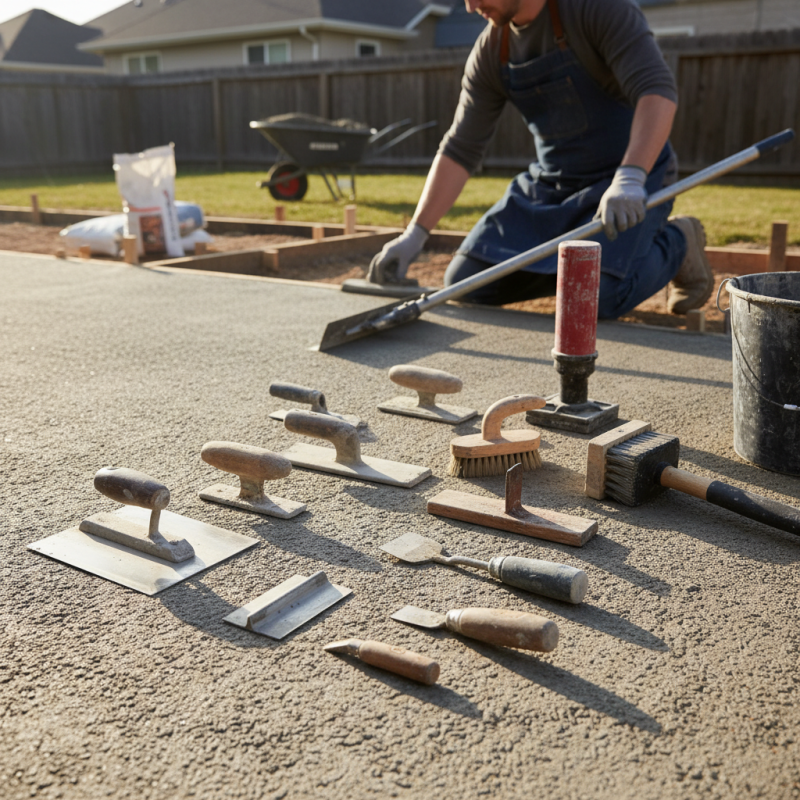
Table of Contents
[Hide]
Essential Concrete Hand Tools for Every DIYer
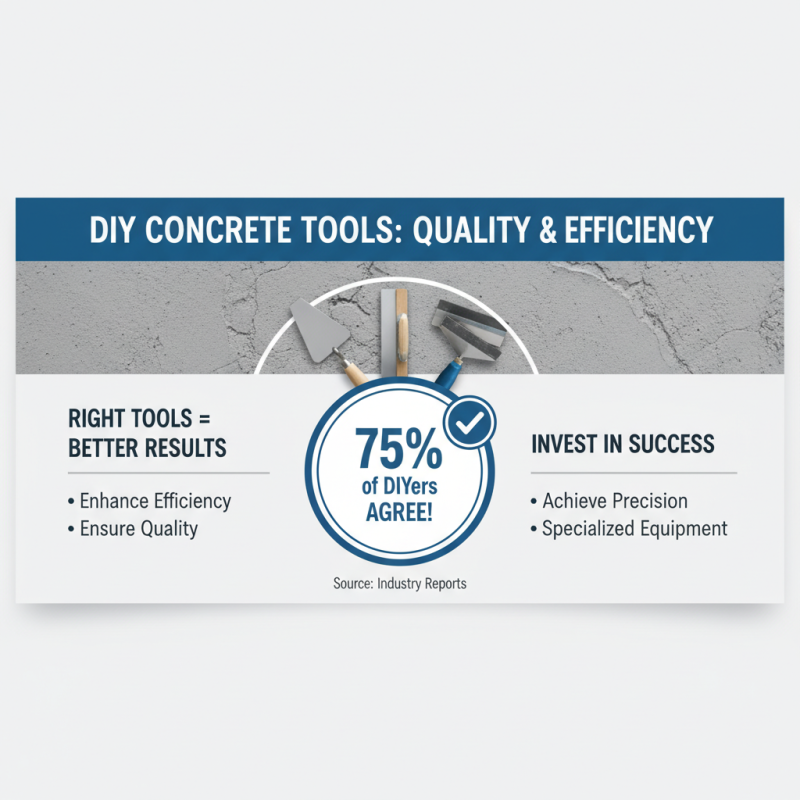
When it comes to DIY concrete projects, having the right hand tools can make all the difference. Essential concrete hand tools not only enhance efficiency but also ensure the quality of your work. According to industry reports, nearly 75% of DIY enthusiasts emphasize the importance of using specialized tools to achieve precise results, highlighting the need for investing in the right equipment.
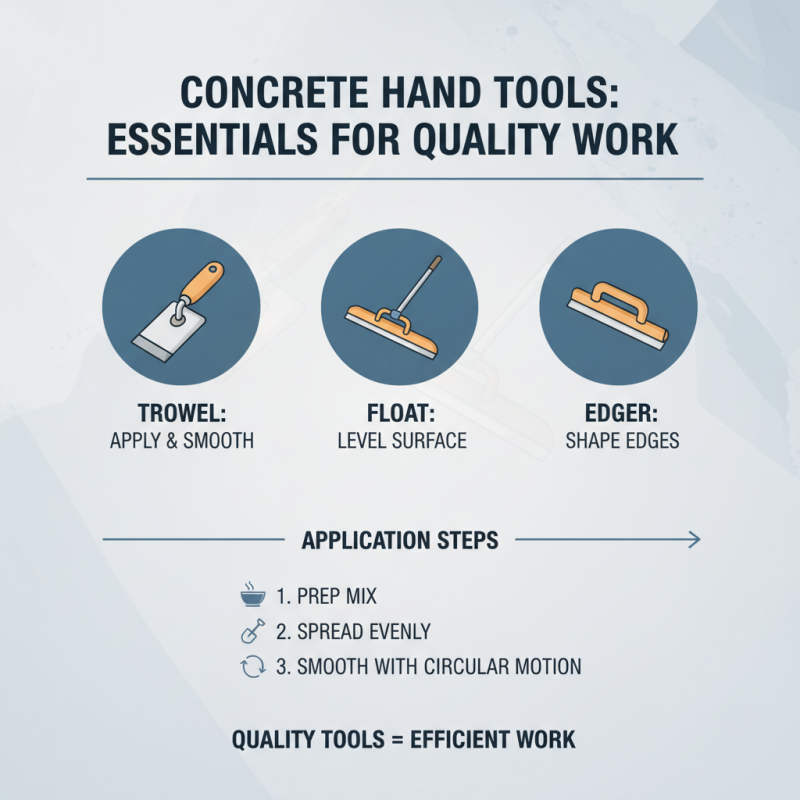
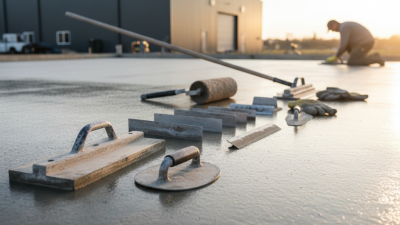
Among the tools every DIYer should consider are trowels, floats, and concrete chisels. Trowels are versatile for smoothing and shaping concrete, while floats are essential for leveling surfaces. Concrete chisels provide an effective way to remove excess material or make precise cuts. To get the most out of these tools, it is crucial to maintain them properly by cleaning after each use and sharpening the edges regularly. This maintenance can prolong the life of the tools and improve performance during projects.
Additionally, when working with concrete, always wear appropriate safety gear. Dust masks and gloves are critical for protection, as concrete dust can be harmful when inhaled. Additionally, it's advisable to work in small sections to prevent the material from setting too quickly, which can lead to uneven surfaces. Perfecting your technique through practice will also ensure you gain confidence in your DIY projects while achieving professional-grade results.
Related Posts
-
2025 How to Use Concrete Tools for Your Next Construction Project
-
Best Concrete Finishing Tools You Need for a Perfect Smooth Finish
-

Top 10 Tips for Choosing the Best Electric Heaters for Your Home
-

Top 10 Electric Heaters for Efficient Home Heating in 2023
-

2025 Guide: How to Choose the Best Electric Heaters for Your Home
-
10 Essential Contractor Tools Every Professional Needs for Success

© Copyright - Pro Tool & Supply - Site by SVM E-Marketing Solutions - Sitemap
- Privacy policy