- Products
- Air Compressors & Air Tools
- Climate Control
- Compaction Equipment
- Concrete Cutting Tools & Equipment
- Concrete and Masonry
- Demolition & Excavation
- Electrical & Mechanical
- Fasteners and Anchoring Adhesives
- Floor Protection
- Generators and Welders
- Hand Tools
- Heaters
- Janitorial and Office Supplies
- Jobsite Protection
- Ladders & Storage
- Lighting & Lighting Accessories
- Man Lifts
- Material Handling Equipment
- Power Tools
- Pressure Washers & Pumps
- Safety Gear
- Safety Products
- Saws
- Surface Preparation
- SEASONAL PRODUCTS
- Rentals
- Air Compressor and Air Tool Rentals
- Climate Control Rental
- Compaction Rentals
- Concrete Equipment Rentals
- Demolition & Excavation Equipment Rentals
- Concrete Floor Grinder Rentals
- General Construction Equipment Rentals
- Generator Rentals and Welder Rentals
- Heater Rentals
- Light Tower Rentals
- Man Lift Rentals in Massachusetts and Rhode Island
- Material Handling Equipment Rentals
- Pressure Washer & Pump Rentals
- Saw Rentals in New England
- SEASONAL PRODUCTS
- Products
- Air Compressors & Air Tools
- Climate Control
- Compaction Equipment
- Concrete Cutting Tools & Equipment
- Demolition & Excavation
- Electrical & Mechanical
- Floor Protection
- Generators and Welders
- Construction Heaters
- Construction Ladders, Staging, & Storage
- Construction Lighting
- Man Lifts
- Material Handling Equipment
- Industrial Janitorial and Office Supplies
- Pressure Washers & Pumps
- Construction Safety Products
- Construction Safety Gear
- Surface Preparation
- Building Protection
- Diesel Accessories
- Zero Emissions
- Rentals
- Air Compressor and Air Tool Rentals
- Climate Control Rental
- Compaction Rentals
- Concrete Equipment Rental
- Demolition & Excavation Equipment Rental
- General Construction Equipment Rental
- Generator Rentals and Welder Rentals
- Construction Heaters Rental
- Light Tower Rentals
- Man Lift Rentals
- Material Handling Equipment Rental
- Pressure Washer & Pump Rentals
- Saw Rentals in New England
- Concrete Floor Grinder Rentals
- Zero Emissions Rentals
- Repairs & Used
- Parts
- Blog
- Services
- Resources
- About Us
- Contact Us
Sales & Rental of Construction | Industrial Equipment & Supplies


China Top 10 Big LED Screen Manufacturers for Global Buyers?
China has become a major sourcing hub for large-format LED display systems. Its manufacturers serve stadiums, shopping centers, control rooms, concerts, airports, and outdoor advertising networks. The global LED display market is expanding steadily. Grand View Research estimates that the market will continue growing through 2030, supported by digital signage, sports events, and immersive media. MarketsandMarkets also identifies fine-pitch displays, rental screens, and outdoor installations as important growth segments.
However, choosing a Big Led Screen supplier requires more than comparing factory prices. A reliable evaluation should examine pixel pitch, brightness, refresh rate, cabinet weight, viewing distance, thermal design, and outdoor protection. For example, an outdoor P6 screen may need high brightness above 5,000 nits, while an indoor P1.8 display demands precise calibration and close viewing comfort. Buyers should also verify CE, RoHS, EMC, and relevant electrical safety documentation. These documents do not replace testing. They support it.
This guide introduces ten Chinese manufacturers serving global buyers, based on product capability, export experience, technical support, customization, and market visibility. Industry sources, including Omdia research and manufacturer documentation, help establish a practical comparison. Yet no ranking is perfectly objective. Public company data can be uneven, and after-sales performance may vary by region. That limitation matters. A strong supplier should provide sample testing, clear warranty terms, spare parts planning, remote support, and installation guidance. The best choice is not always the cheapest one. It is the manufacturer that can keep a bright, stable screen working when the audience arrives.
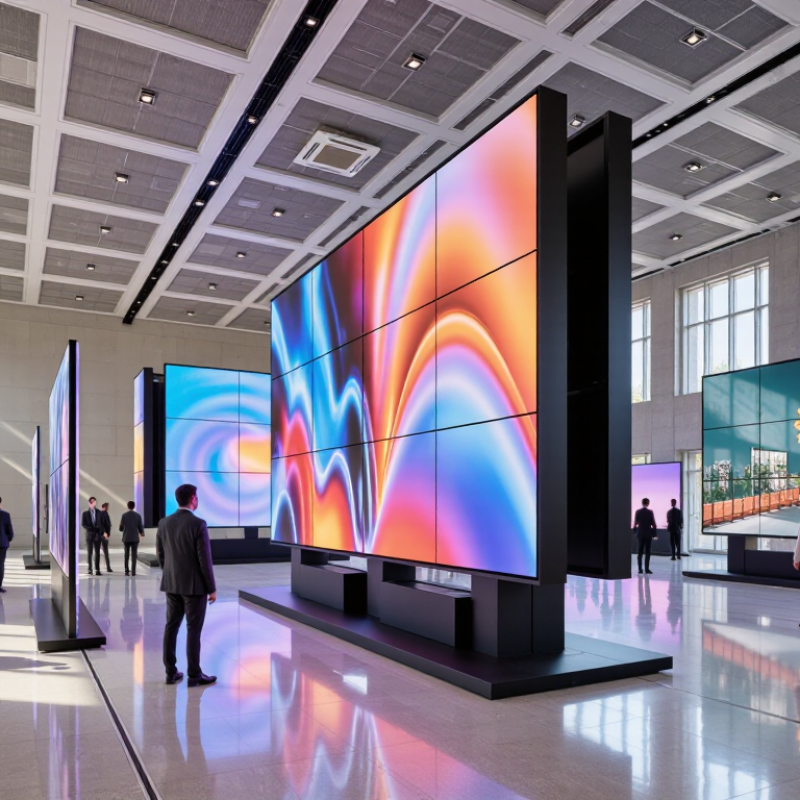
Table of Contents [Hide]
What Defines a Leading Chinese LED Screen Manufacturer?
A leading Chinese LED screen manufacturer is defined by more than production capacity or attractive pricing. Real experience appears in the details: stable brightness across cabinets, clean module alignment, and connectors that survive repeated installation. Engineers should understand pixel pitch, viewing distance, refresh rate, heat control, and power planning. They must translate a venue’s measurements into a practical display design.
Reliable manufacturers document quality at every stage. They test LEDs, power supplies, receiving cards, cabinet frames, and finished panels before shipment. Clear records matter. So do recognized safety certifications, traceable components, and realistic warranty terms. A professional supplier also provides installation drawings, control-system guidance, spare modules, and responsive technical support across time zones. Factory visits, sample testing, and video inspections can reveal more than polished sales presentations.
No factory is flawless. A few dead pixels, slight color variation, or delayed feedback may still occur. The important question is how openly the manufacturer handles these problems. Does it identify the cause, replace faulty parts, and improve its process? Buyers should request a small trial order before a large project. They should also check brightness after warm-up, cabinet flatness, software compatibility, and actual power consumption. Trust grows through evidence, not promises.

© Copyright - Pro Tool & Supply - Site by SVM E-Marketing Solutions - Sitemap
- Privacy policy