- Products
- Air Compressors & Air Tools
- Climate Control
- Compaction Equipment
- Concrete Cutting Tools & Equipment
- Concrete and Masonry
- Demolition & Excavation
- Electrical & Mechanical
- Fasteners and Anchoring Adhesives
- Floor Protection
- Generators and Welders
- Hand Tools
- Heaters
- Janitorial and Office Supplies
- Jobsite Protection
- Ladders & Storage
- Lighting & Lighting Accessories
- Man Lifts
- Material Handling Equipment
- Power Tools
- Pressure Washers & Pumps
- Safety Gear
- Safety Products
- Saws
- Surface Preparation
- SEASONAL PRODUCTS
- Rentals
- Air Compressor and Air Tool Rentals
- Climate Control Rental
- Compaction Rentals
- Concrete Equipment Rentals
- Demolition & Excavation Equipment Rentals
- Concrete Floor Grinder Rentals
- General Construction Equipment Rentals
- Generator Rentals and Welder Rentals
- Heater Rentals
- Light Tower Rentals
- Man Lift Rentals in Massachusetts and Rhode Island
- Material Handling Equipment Rentals
- Pressure Washer & Pump Rentals
- Saw Rentals in New England
- SEASONAL PRODUCTS
- Products
- Air Compressors & Air Tools
- Climate Control
- Compaction Equipment
- Concrete Cutting Tools & Equipment
- Demolition & Excavation
- Electrical & Mechanical
- Floor Protection
- Generators and Welders
- Construction Heaters
- Construction Ladders, Staging, & Storage
- Construction Lighting
- Man Lifts
- Material Handling Equipment
- Industrial Janitorial and Office Supplies
- Pressure Washers & Pumps
- Construction Safety Products
- Construction Safety Gear
- Surface Preparation
- Building Protection
- Diesel Accessories
- Zero Emissions
- Rentals
- Air Compressor and Air Tool Rentals
- Climate Control Rental
- Compaction Rentals
- Concrete Equipment Rental
- Demolition & Excavation Equipment Rental
- General Construction Equipment Rental
- Generator Rentals and Welder Rentals
- Construction Heaters Rental
- Light Tower Rentals
- Man Lift Rentals
- Material Handling Equipment Rental
- Pressure Washer & Pump Rentals
- Saw Rentals in New England
- Concrete Floor Grinder Rentals
- Zero Emissions Rentals
- Repairs & Used
- Parts
- Blog
- Services
- Resources
- About Us
- Contact Us
Sales & Rental of Construction | Industrial Equipment & Supplies


What Are the Top 10 Chemical Eyewash Stations?
A chemical splash can turn an ordinary shift into an urgent response. Chemical Eyewash stations help workers flush their eyes quickly after exposure, but the right choice depends on the hazard, room layout, and maintenance plan. Seconds matter. The U.S. Bureau of Labor Statistics’ Survey of Occupational Injuries and Illnesses tracks nonfatal workplace injury patterns, including cases involving the eyes. It offers useful context, but it does not rank eyewash products or replace a site-specific hazard assessment.
This guide compares ten chemical eyewash options through practical criteria: water delivery, hands-free activation, installation needs, accessibility, and inspection requirements. OSHA’s 29 CFR 1910.151(c) addresses suitable flushing facilities where corrosive materials may injure workers. ANSI/ISEA Z358.1-2014 (R2020) provides detailed guidance for emergency eyewash and shower equipment, including performance and placement considerations. A wall-mounted unit near a mixing bench may suit one laboratory; a self-contained model may fit a location without reliable plumbing. Fit matters.
The comparison is a starting point, not a universal verdict. A product that looks ideal on paper may be awkward beside a crowded sink or hard to inspect during a busy shift. No model wins everywhere. Confirm chemical hazards, water supply, local requirements, and manufacturer instructions before selecting equipment. Regular testing and clear access matter as much as the purchase. Rankings can simplify a complex decision, and that is their weakness. The safest choice is the one workers can reach, use, and maintain when every second counts.
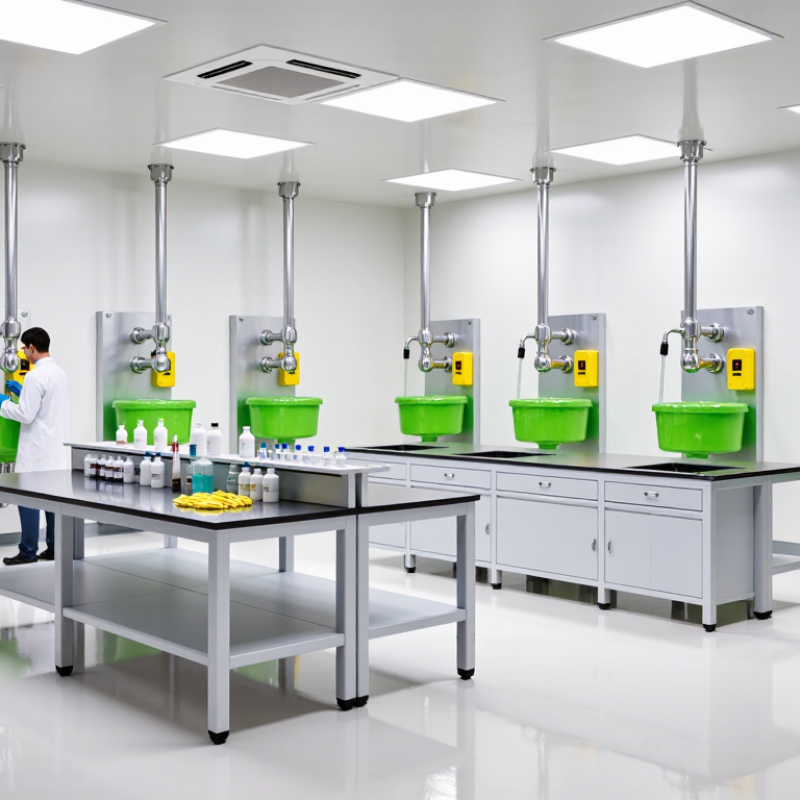
Table of Contents [Hide]
How ANSI/ISEA Z358.1 Sets the Baseline for Chemical Eyewash Stations
What Are the Top 10 Chemical Eyewash Stations?
ANSI/ISEA Z358.1-2014 (R2020) sets a practical baseline for evaluating emergency eyewash stations. It is a consensus standard, not a product ranking. For plumbed eyewashes, it specifies a flushing flow of at least 0.4 gallons per minute for 15 minutes. The water should be tepid, generally 60–100°F, to support sustained flushing. The unit must activate in one second or less and stay on without requiring the user to hold a lever. Small details count. A handle hidden behind a drum is not meaningfully accessible.
The National Institute for Occupational Safety and Health has reported that about 2,000 U.S. workers receive medical treatment for job-related eye injuries each day. That figure makes placement and readiness more than checklist items. Compare stations by checking access routes, nozzle covers, flow pattern, and whether nearby chemical hazards match the unit’s intended use. OSHA’s 29 CFR 1910.151(c) requires suitable facilities for immediate emergency use where workers may encounter corrosive materials; ANSI/ISEA offers more specific performance criteria. Plumbed units should be activated weekly and inspected annually under the standard. A compliant fixture can still be poorly placed. And a clear aisle today may be blocked tomorrow.

© Copyright - Pro Tool & Supply - Site by SVM E-Marketing Solutions - Sitemap
- Privacy policy