- Products
- Air Compressors & Air Tools
- Climate Control
- Compaction Equipment
- Concrete Cutting Tools & Equipment
- Concrete and Masonry
- Demolition & Excavation
- Electrical & Mechanical
- Fasteners and Anchoring Adhesives
- Floor Protection
- Generators and Welders
- Hand Tools
- Heaters
- Janitorial and Office Supplies
- Jobsite Protection
- Ladders & Storage
- Lighting & Lighting Accessories
- Man Lifts
- Material Handling Equipment
- Power Tools
- Pressure Washers & Pumps
- Safety Gear
- Safety Products
- Saws
- Surface Preparation
- SEASONAL PRODUCTS
- Rentals
- Air Compressor and Air Tool Rentals
- Climate Control Rental
- Compaction Rentals
- Concrete Equipment Rentals
- Demolition & Excavation Equipment Rentals
- Concrete Floor Grinder Rentals
- General Construction Equipment Rentals
- Generator Rentals and Welder Rentals
- Heater Rentals
- Light Tower Rentals
- Man Lift Rentals in Massachusetts and Rhode Island
- Material Handling Equipment Rentals
- Pressure Washer & Pump Rentals
- Saw Rentals in New England
- SEASONAL PRODUCTS
- Products
- Air Compressors & Air Tools
- Climate Control
- Compaction Equipment
- Concrete Cutting Tools & Equipment
- Demolition & Excavation
- Electrical & Mechanical
- Floor Protection
- Generators and Welders
- Construction Heaters
- Construction Ladders, Staging, & Storage
- Construction Lighting
- Man Lifts
- Material Handling Equipment
- Industrial Janitorial and Office Supplies
- Pressure Washers & Pumps
- Construction Safety Products
- Construction Safety Gear
- Surface Preparation
- Building Protection
- Diesel Accessories
- Zero Emissions
- Rentals
- Air Compressor and Air Tool Rentals
- Climate Control Rental
- Compaction Rentals
- Concrete Equipment Rental
- Demolition & Excavation Equipment Rental
- General Construction Equipment Rental
- Generator Rentals and Welder Rentals
- Construction Heaters Rental
- Light Tower Rentals
- Man Lift Rentals
- Material Handling Equipment Rental
- Pressure Washer & Pump Rentals
- Saw Rentals in New England
- Concrete Floor Grinder Rentals
- Zero Emissions Rentals
- Repairs & Used
- Parts
- Blog
- Services
- Resources
- About Us
- Contact Us
Sales & Rental of Construction | Industrial Equipment & Supplies


Top 10 Types of 11kV to 400V Distribution Transformers
Moving electricity from an 11kV feeder to a 400V low-voltage network demands more than a suitable nameplate rating. A transformer must manage load diversity, voltage regulation, heat, fault stress, installation space, and maintenance access. This guide introduces the Top 10 Types of 11kV to 400V Distribution Transformers, with attention to practical selection rather than catalogue language.
At the centre is the 11kv To 400v Distribution Power Transformer. Its design affects efficiency, safety, service life, and operating cost. Oil-immersed units remain common for outdoor substations, while cast-resin dry-type transformers suit buildings, tunnels, and areas with stricter fire concerns. Other categories include hermetically sealed, amorphous-core, compact, low-loss, and high-efficiency designs. Each type has trade-offs. Cooling, noise, footprint, protection, and recycling requirements can change the best choice.
Martin Heathcote, author of The J&P Transformer Book, states, “The transformer is the heart of the electrical system.” That concise view reflects field experience. A poorly selected unit can run hot beside a dusty factory wall, suffer voltage drop during motor starting, or leave little room for inspection. Small details matter. Cable routing matters. Ambient temperature matters.
This overview uses engineering principles, manufacturer practices, and real installation considerations. It does not pretend that one transformer type fits every site. That would be convenient, but wrong. Project data can also be incomplete, especially during early design. Therefore, readers should verify load profiles, short-circuit levels, local standards, environmental conditions, and future expansion before approving a 11kv To 400v Distribution Power Transformer.
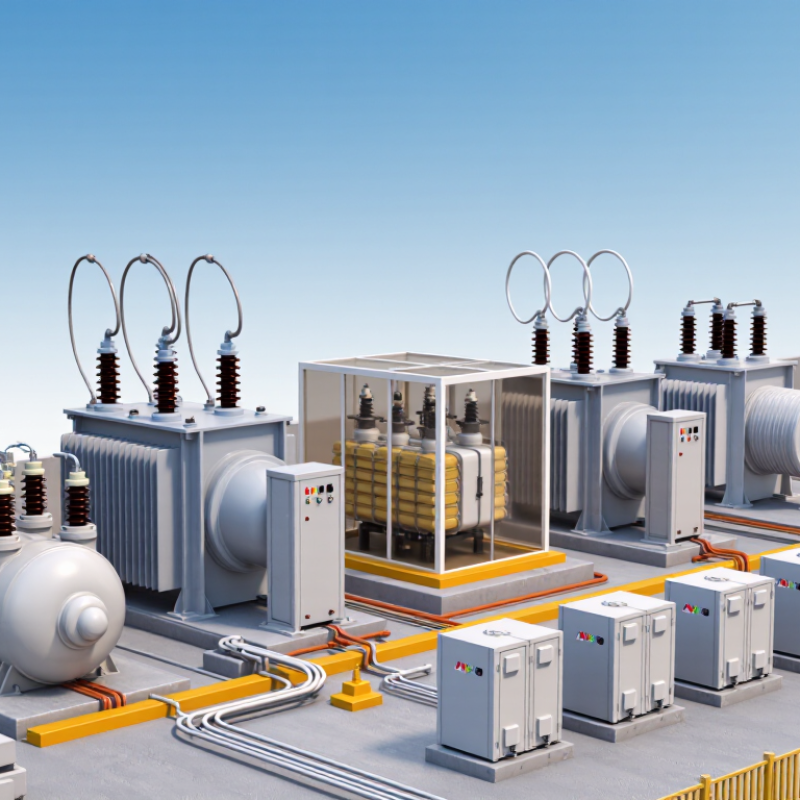
Table of Contents [Hide]
Definition and Role of 11kV to 400V Distribution Transformers
Top 10 Types of 11kV to 400V Distribution Transformers
An 11kV to 400V distribution transformer reduces medium voltage for safe local use. It commonly supplies factories, commercial buildings, farms, and residential networks. The transformer receives 11kV through its high-voltage winding and delivers 400V through its low-voltage winding. A neutral point also supports three-phase, four-wire systems.
Its role is practical and continuous. It separates voltage levels, limits electrical stress, and helps maintain reliable power near the load.
Common designs include:
- oil-immersed
- dry-type
- cast-resin
- pole-mounted
- pad-mounted
- compact
- hermetically sealed
- amorphous-core
- dual-voltage
- monitored transformers
Each type suits different conditions. Dry-type units fit indoor areas where fire risk and ventilation matter. Oil-immersed units often provide efficient cooling outdoors. Small details matter.
During selection, engineers check rated power, impedance, vector group, fault level, cooling method, insulation, and installation space. They also review local regulations and applicable IEC 60076 requirements.
In field work, cable length, dust, humidity, and unbalanced loads can change performance. A neat specification is not enough. Site conditions sometimes expose assumptions that looked reasonable on paper. Regular checks of temperature, noise, oil condition, earthing, and connections can reveal developing faults early. Personally, I would not treat efficiency alone as the deciding factor; maintainability and safe access deserve equal attention.

© Copyright - Pro Tool & Supply - Site by SVM E-Marketing Solutions - Sitemap
- Privacy policy