- Products
- Air Compressors & Air Tools
- Climate Control
- Compaction Equipment
- Concrete Cutting Tools & Equipment
- Concrete and Masonry
- Demolition & Excavation
- Electrical & Mechanical
- Fasteners and Anchoring Adhesives
- Floor Protection
- Generators and Welders
- Hand Tools
- Heaters
- Janitorial and Office Supplies
- Jobsite Protection
- Ladders & Storage
- Lighting & Lighting Accessories
- Man Lifts
- Material Handling Equipment
- Power Tools
- Pressure Washers & Pumps
- Safety Gear
- Safety Products
- Saws
- Surface Preparation
- SEASONAL PRODUCTS
- Rentals
- Air Compressor and Air Tool Rentals
- Climate Control Rental
- Compaction Rentals
- Concrete Equipment Rentals
- Demolition & Excavation Equipment Rentals
- Concrete Floor Grinder Rentals
- General Construction Equipment Rentals
- Generator Rentals and Welder Rentals
- Heater Rentals
- Light Tower Rentals
- Man Lift Rentals in Massachusetts and Rhode Island
- Material Handling Equipment Rentals
- Pressure Washer & Pump Rentals
- Saw Rentals in New England
- SEASONAL PRODUCTS
- Products
- Air Compressors & Air Tools
- Climate Control
- Compaction Equipment
- Concrete Cutting Tools & Equipment
- Demolition & Excavation
- Electrical & Mechanical
- Floor Protection
- Generators and Welders
- Construction Heaters
- Construction Ladders, Staging, & Storage
- Construction Lighting
- Man Lifts
- Material Handling Equipment
- Industrial Janitorial and Office Supplies
- Pressure Washers & Pumps
- Construction Safety Products
- Construction Safety Gear
- Surface Preparation
- Building Protection
- Diesel Accessories
- Zero Emissions
- Rentals
- Air Compressor and Air Tool Rentals
- Climate Control Rental
- Compaction Rentals
- Concrete Equipment Rental
- Demolition & Excavation Equipment Rental
- General Construction Equipment Rental
- Generator Rentals and Welder Rentals
- Construction Heaters Rental
- Light Tower Rentals
- Man Lift Rentals
- Material Handling Equipment Rental
- Pressure Washer & Pump Rentals
- Saw Rentals in New England
- Concrete Floor Grinder Rentals
- Zero Emissions Rentals
- Repairs & Used
- Parts
- Blog
- Services
- Resources
- About Us
- Contact Us
Sales & Rental of Construction | Industrial Equipment & Supplies


What Is Toasted Garlic for Global Buyers?
Toasted Garlic is moving from a familiar kitchen garnish into a globally traded ingredient. Its appeal is practical: toasted pieces offer a deeper aroma, crisp texture, and faster preparation than fresh cloves. Buyers still need more than flavor claims. They must examine moisture, particle size, color uniformity, packaging, shelf life, and microbial controls.
Market research points to strong category momentum. Grand View Research reported that the global garlic market was valued at approximately USD 15.7 billion in 2022, with continued growth expected through the decade. Mordor Intelligence also identifies rising demand for processed and dehydrated garlic in convenience foods, sauces, snacks, and foodservice. These figures describe garlic broadly, not Toasted Garlic alone. That distinction matters.
Harold McGee, the respected food science writer, explains, “Garlic’s characteristic aroma comes from sulfur compounds.” Heat changes those compounds. Controlled toasting can create nutty notes and a golden surface, while excessive heat produces bitterness and dark particles. Small differences become visible in a buyer’s sample tray.
The commercial lesson is simple. Taste the product after storage, not only after opening. Check whether the crunch survives humid conditions. Ask for recent laboratory reports and traceable batch information. Experienced importers also compare whole pieces, granules, and powder because each format behaves differently in production.
There is no universal best specification. A pizza manufacturer may prefer small, fast-hydrating granules. A premium snack brand may require larger, visibly toasted pieces. Some buyers still overlook oxidation risks in opened cartons. That weakness deserves attention. Reliable sourcing depends on verified processing details, transparent documentation, and repeated sensory checks, not attractive color alone.
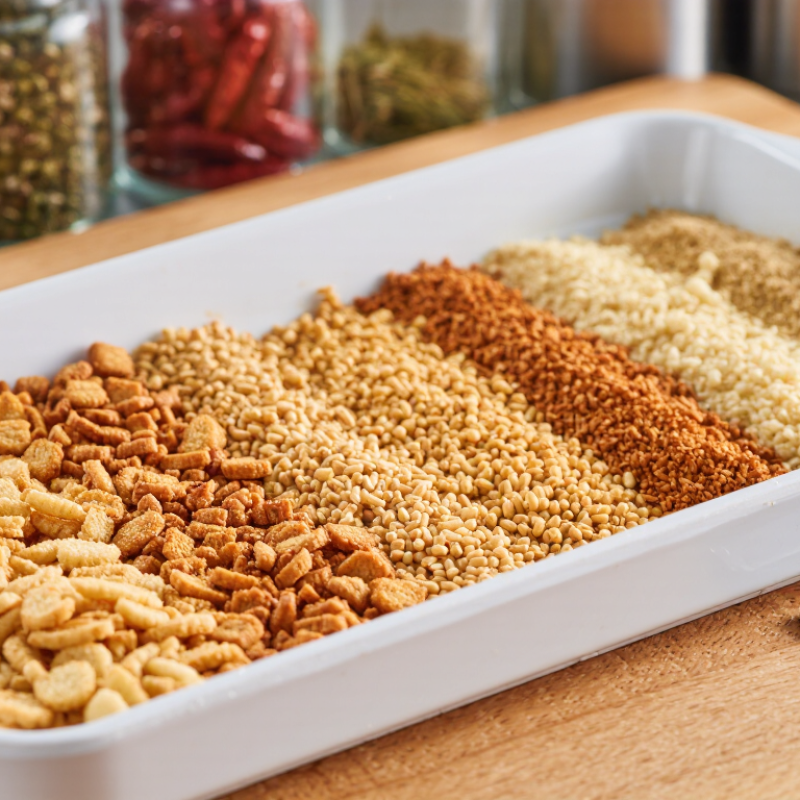
Table of Contents [Hide]
What Toasted Garlic Is and How It Differs from Fresh Garlic
Toasted garlic is garlic heated until its moisture falls and its flavor deepens. It may appear as flakes, granules, or powder. The heat creates a warm aroma, crisp texture, and mild brown color. Fresh garlic remains moist, firm, and sharply pungent. Its raw flavor can feel hot, grassy, and slightly sweet after cooking. Toasted garlic tastes rounder, nuttier, and less aggressive. Small detail matters.
For global buyers, the difference affects storage, handling, and recipe performance. Fresh garlic usually needs ventilation, temperature control, and careful inspection for sprouting or mold. Toasted garlic is easier to transport, but it is not automatically shelf-stable. Buyers should request moisture, water activity, microbiological, allergen, and packaging information. The product form also matters. Flakes may deliver visible texture, while powder disperses quickly in sauces and seasonings. Ask how the garlic was heated, because “toasted” can describe different processes.
In practical sourcing, I check color, aroma, breakability, and particle size before approving a lot. A clean toasted smell is useful. A burnt or smoky note signals excessive heat. Color can mislead. Darker pieces may taste bitter, while pale pieces may lack depth. I once trusted appearance too much and found uneven flavor after hydration. That mistake still matters. Buyers should test the product in the intended recipe, not only in a sample bag. Fresh garlic offers stronger immediate character; toasted garlic offers convenience and a more controlled, roasted profile.

© Copyright - Pro Tool & Supply - Site by SVM E-Marketing Solutions - Sitemap
- Privacy policy