- Products
- Air Compressors & Air Tools
- Climate Control
- Compaction Equipment
- Concrete Cutting Tools & Equipment
- Concrete and Masonry
- Demolition & Excavation
- Electrical & Mechanical
- Fasteners and Anchoring Adhesives
- Floor Protection
- Generators and Welders
- Hand Tools
- Heaters
- Janitorial and Office Supplies
- Jobsite Protection
- Ladders & Storage
- Lighting & Lighting Accessories
- Man Lifts
- Material Handling Equipment
- Power Tools
- Pressure Washers & Pumps
- Safety Gear
- Safety Products
- Saws
- Surface Preparation
- SEASONAL PRODUCTS
- Rentals
- Air Compressor and Air Tool Rentals
- Climate Control Rental
- Compaction Rentals
- Concrete Equipment Rentals
- Demolition & Excavation Equipment Rentals
- Concrete Floor Grinder Rentals
- General Construction Equipment Rentals
- Generator Rentals and Welder Rentals
- Heater Rentals
- Light Tower Rentals
- Man Lift Rentals in Massachusetts and Rhode Island
- Material Handling Equipment Rentals
- Pressure Washer & Pump Rentals
- Saw Rentals in New England
- SEASONAL PRODUCTS
- Products
- Air Compressors & Air Tools
- Climate Control
- Compaction Equipment
- Concrete Cutting Tools & Equipment
- Demolition & Excavation
- Electrical & Mechanical
- Floor Protection
- Generators and Welders
- Construction Heaters
- Construction Ladders, Staging, & Storage
- Construction Lighting
- Man Lifts
- Material Handling Equipment
- Industrial Janitorial and Office Supplies
- Pressure Washers & Pumps
- Construction Safety Products
- Construction Safety Gear
- Surface Preparation
- Building Protection
- Diesel Accessories
- Zero Emissions
- Rentals
- Air Compressor and Air Tool Rentals
- Climate Control Rental
- Compaction Rentals
- Concrete Equipment Rental
- Demolition & Excavation Equipment Rental
- General Construction Equipment Rental
- Generator Rentals and Welder Rentals
- Construction Heaters Rental
- Light Tower Rentals
- Man Lift Rentals
- Material Handling Equipment Rental
- Pressure Washer & Pump Rentals
- Saw Rentals in New England
- Concrete Floor Grinder Rentals
- Zero Emissions Rentals
- Repairs & Used
- Parts
- Blog
- Services
- Resources
- About Us
- Contact Us
Sales & Rental of Construction | Industrial Equipment & Supplies

7 Tips for Choosing the Best Metal Shingles
Choosing the right Metal Shingles involves more than comparing colors and prices. A roof must handle weather, ventilation, installation demands, and long-term maintenance. It should also suit the building’s structure and surrounding environment. A coastal home faces different risks than a mountain cabin. Salt air, snow, hail, heat, and strong winds all influence the final decision.
Todd Miller, a longtime metal roofing specialist and president of Isaiah Industries, offers a useful principle: “The best metal roof is the one that is properly designed and installed.” That advice deserves attention. Even premium Metal Shingles can perform poorly when installers ignore flashing, underlayment, fasteners, or roof ventilation. Appearance matters, but it cannot protect a weak system.
This guide examines seven practical tips for selecting the best Metal Shingles. It considers material thickness, coating quality, weather resistance, installation methods, energy performance, warranty language, and contractor experience. These details are easy to overlook. I have seen product descriptions sound impressive while leaving important questions unanswered.
A careful choice starts with evidence, not advertising. Request samples. Read the technical data. Ask how the shingles perform in your local climate. Confirm who will install them and how repairs are handled. No material is perfect. Even metal can dent, scratch, or expand with temperature changes. That reality should not discourage buyers. It should encourage better questions, clearer expectations, and a more reliable roofing decision.
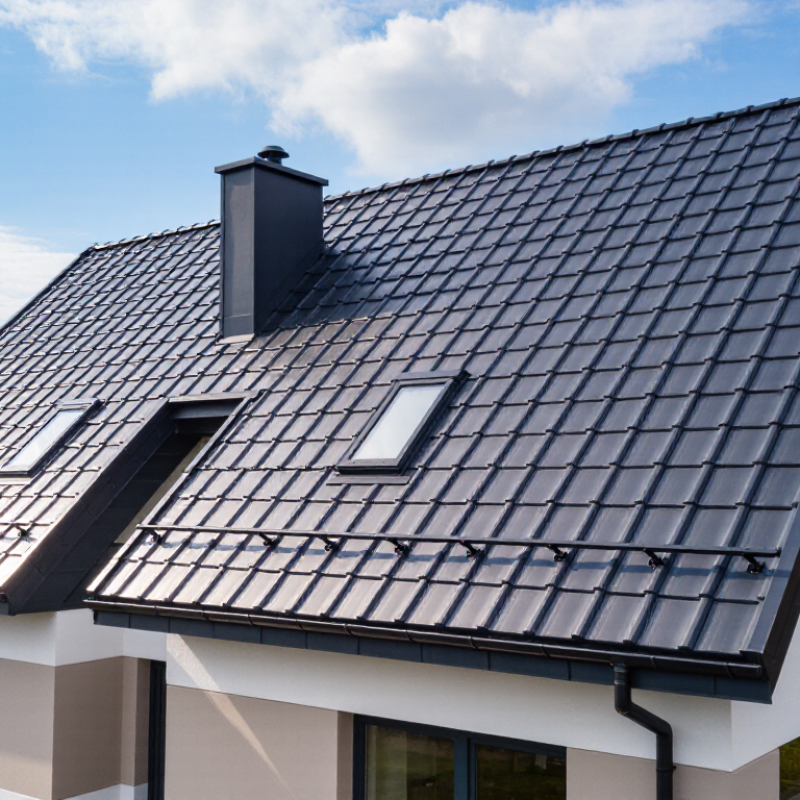
Table of Contents [Hide]
Define Your Metal Shingle Needs and Roofing Priorities
Choosing the best metal shingles starts with defining what your roof must do. A coastal home may need strong corrosion resistance. A mountain property may prioritize snow shedding and impact performance. Hot climates benefit from reflective finishes and proper attic ventilation. Consider roof pitch, local weather, building codes, and the expected lifespan of the building.
Budget is only one part of the decision. Include underlayment, flashing, fasteners, ventilation, labor, and future repairs. Metal shingles can last for decades, but poor installation can shorten that life quickly. Ask an experienced roofing contractor how panels handle valleys, chimneys, skylights, and roof edges. These details often reveal more than a showroom sample. Do not ignore sound. Rain on metal may be noticeable without suitable insulation and roof decking.
Appearance matters, but it should support your priorities. Request physical samples in daylight, then view them beside siding and gutters. Dark finishes can absorb more heat and show scratches. Light finishes may reveal dirt sooner. I once underestimated how strongly afternoon light changed a roof color. That mistake was avoidable. Think carefully.
A reliable choice also includes clear installation instructions, tested performance data, and a practical maintenance plan. Check fastener compatibility, coating specifications, and warranty limitations before signing a contract. Some homeowners focus on the shingle surface and forget the roof system beneath it. That is a costly oversight. Your needs should guide the material, profile, finish, and installer, not the other way around.
© Copyright - Pro Tool & Supply - Site by SVM E-Marketing Solutions - Sitemap
- Privacy policy