- Products
- Air Compressors & Air Tools
- Climate Control
- Compaction Equipment
- Concrete Cutting Tools & Equipment
- Concrete and Masonry
- Demolition & Excavation
- Electrical & Mechanical
- Fasteners and Anchoring Adhesives
- Floor Protection
- Generators and Welders
- Hand Tools
- Heaters
- Janitorial and Office Supplies
- Jobsite Protection
- Ladders & Storage
- Lighting & Lighting Accessories
- Man Lifts
- Material Handling Equipment
- Power Tools
- Pressure Washers & Pumps
- Safety Gear
- Safety Products
- Saws
- Surface Preparation
- SEASONAL PRODUCTS
- Rentals
- Air Compressor and Air Tool Rentals
- Climate Control Rental
- Compaction Rentals
- Concrete Equipment Rentals
- Demolition & Excavation Equipment Rentals
- Concrete Floor Grinder Rentals
- General Construction Equipment Rentals
- Generator Rentals and Welder Rentals
- Heater Rentals
- Light Tower Rentals
- Man Lift Rentals in Massachusetts and Rhode Island
- Material Handling Equipment Rentals
- Pressure Washer & Pump Rentals
- Saw Rentals in New England
- SEASONAL PRODUCTS
- Products
- Air Compressors & Air Tools
- Climate Control
- Compaction Equipment
- Concrete Cutting Tools & Equipment
- Demolition & Excavation
- Electrical & Mechanical
- Floor Protection
- Generators and Welders
- Construction Heaters
- Construction Ladders, Staging, & Storage
- Construction Lighting
- Man Lifts
- Material Handling Equipment
- Industrial Janitorial and Office Supplies
- Pressure Washers & Pumps
- Construction Safety Products
- Construction Safety Gear
- Surface Preparation
- Building Protection
- Diesel Accessories
- Zero Emissions
- Rentals
- Air Compressor and Air Tool Rentals
- Climate Control Rental
- Compaction Rentals
- Concrete Equipment Rental
- Demolition & Excavation Equipment Rental
- General Construction Equipment Rental
- Generator Rentals and Welder Rentals
- Construction Heaters Rental
- Light Tower Rentals
- Man Lift Rentals
- Material Handling Equipment Rental
- Pressure Washer & Pump Rentals
- Saw Rentals in New England
- Concrete Floor Grinder Rentals
- Zero Emissions Rentals
- Repairs & Used
- Parts
- Blog
- Services
- Resources
- About Us
- Contact Us
Sales & Rental of Construction | Industrial Equipment & Supplies


10 Tips for Choosing Flat Bottom Pouches?
Choosing the right Flat Bottom Pouches is more complex than comparing prices or printing finishes. Product weight, filling speed, shelf life, storage conditions, and consumer handling all matter. A pouch that looks excellent on a sample table may wrinkle, leak, or lose shape during transport.
Industry data supports careful evaluation. Smithers’ report, The Future of Global Flexible Packaging to 2028, identifies continued demand for lightweight, high-performance flexible formats. Grand View Research also reports strong growth in the global flexible packaging market, driven by convenience, material efficiency, and e-commerce distribution. These trends create opportunity, but they also raise expectations for barrier performance, sealing quality, and responsible material selection.
Experience on packaging lines shows that small details often decide success. A 500-gram coffee pouch may need a stronger bottom seal and reliable oxygen protection. A pet-food pouch may require puncture resistance around sharp product edges. A matte surface can improve shelf appearance, yet it may show scuffs after warehouse handling. Practical testing remains essential. Check the pouch on your actual filling machine, not only by hand.
No pouch is perfect.
This guide presents ten useful tips for comparing Flat Bottom Pouches, including film structure, gusset design, closure options, dimensions, printing, and sustainability claims. Data from PMMI packaging reports emphasizes automation, operational efficiency, and machinery compatibility across modern packaging operations. Still, reports cannot replace production evidence. A supplier’s specification may look convincing, but seal tests, drop tests, and aging trials can reveal uncomfortable weaknesses. That is worth remembering.
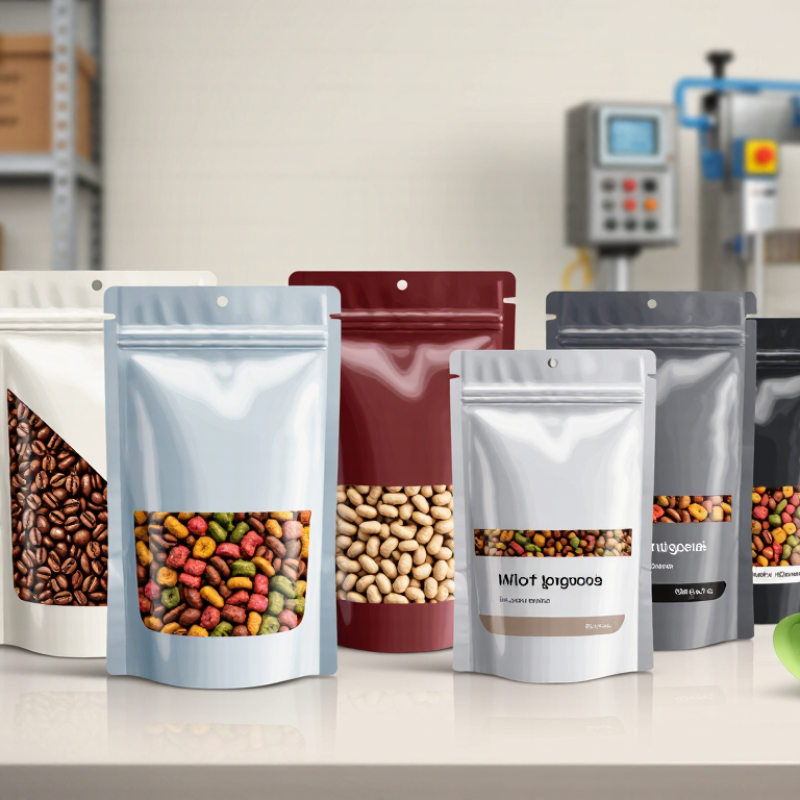
Table of Contents [Hide]
Define Your Product’s Packaging Requirements
Define Your Product’s Packaging Requirements
A flat bottom pouch should fit the product, not merely look attractive. Start with weight, volume, shape, and filling speed. A 500-gram powder needs different support from fragile snacks or oily pet food. Measure the filled pouch, including headspace. The first specification is often wrong.
Tip: Test the product in a sample pouch before approving artwork.
The Flexible Packaging Association’s 2024 State of the Flexible Packaging Industry report valued U.S. flexible packaging sales at approximately $39 billion in 2023. Smithers’ The Future of Global Flexible Packaging to 2028 also identifies food and beverage as key growth areas. These figures show strong demand, but performance still depends on product conditions. Specify moisture, oxygen, aroma, light, and grease protection. Then define the required shelf life.
Tip: Ask for barrier data, not vague claims like “high protection.”
Check seal strength, puncture resistance, and drop performance.
Distribution can expose weak choices quickly. Consider stacking, vibration, compression, temperature changes, and warehouse humidity. Confirm whether the pouch will run on existing filling equipment. Film stiffness and seal temperature may affect machine speed.
Tip: Test filled pouches through transport simulation and real production runs.
A pouch can pass a laboratory test yet fail beside a pallet edge. Revisit the design when evidence disagrees with assumptions.
Tip: Leave space for batch coding, opening features, and recycling instructions without weakening the seal.

© Copyright - Pro Tool & Supply - Site by SVM E-Marketing Solutions - Sitemap
- Privacy policy