- Products
- Air Compressors & Air Tools
- Climate Control
- Compaction Equipment
- Concrete Cutting Tools & Equipment
- Concrete and Masonry
- Demolition & Excavation
- Electrical & Mechanical
- Fasteners and Anchoring Adhesives
- Floor Protection
- Generators and Welders
- Hand Tools
- Heaters
- Janitorial and Office Supplies
- Jobsite Protection
- Ladders & Storage
- Lighting & Lighting Accessories
- Man Lifts
- Material Handling Equipment
- Power Tools
- Pressure Washers & Pumps
- Safety Gear
- Safety Products
- Saws
- Surface Preparation
- SEASONAL PRODUCTS
- Rentals
- Air Compressor and Air Tool Rentals
- Climate Control Rental
- Compaction Rentals
- Concrete Equipment Rentals
- Demolition & Excavation Equipment Rentals
- Concrete Floor Grinder Rentals
- General Construction Equipment Rentals
- Generator Rentals and Welder Rentals
- Heater Rentals
- Light Tower Rentals
- Man Lift Rentals in Massachusetts and Rhode Island
- Material Handling Equipment Rentals
- Pressure Washer & Pump Rentals
- Saw Rentals in New England
- SEASONAL PRODUCTS
- Products
- Air Compressors & Air Tools
- Climate Control
- Compaction Equipment
- Concrete Cutting Tools & Equipment
- Demolition & Excavation
- Electrical & Mechanical
- Floor Protection
- Generators and Welders
- Construction Heaters
- Construction Ladders, Staging, & Storage
- Construction Lighting
- Man Lifts
- Material Handling Equipment
- Industrial Janitorial and Office Supplies
- Pressure Washers & Pumps
- Construction Safety Products
- Construction Safety Gear
- Surface Preparation
- Building Protection
- Diesel Accessories
- Zero Emissions
- Rentals
- Air Compressor and Air Tool Rentals
- Climate Control Rental
- Compaction Rentals
- Concrete Equipment Rental
- Demolition & Excavation Equipment Rental
- General Construction Equipment Rental
- Generator Rentals and Welder Rentals
- Construction Heaters Rental
- Light Tower Rentals
- Man Lift Rentals
- Material Handling Equipment Rental
- Pressure Washer & Pump Rentals
- Saw Rentals in New England
- Concrete Floor Grinder Rentals
- Zero Emissions Rentals
- Repairs & Used
- Parts
- Blog
- Services
- Resources
- About Us
- Contact Us
Sales & Rental of Construction | Industrial Equipment & Supplies


7 Tips for Choosing a Reliable Steel Plate Manufacturer
Choosing the right Steel Plate Manufacturer can determine whether a project runs smoothly or faces costly delays. Quality begins long before the plate reaches a construction site. It starts with raw material control, accurate chemical analysis, and disciplined production records.
A reliable supplier should explain its processes clearly. Ask how steel grades are verified, how thickness is measured, and which tests support each certificate. Look for ultrasonic testing, tensile results, impact values, and heat-number traceability. These details matter when plates will support bridges, pressure vessels, machinery, or heavy structures. A factory visit can reveal practical truths: clean storage areas, labeled bundles, calibrated equipment, and workers who answer technical questions directly.
Do not judge a manufacturer only by a low quotation. Compare tolerances, surface condition, cutting accuracy, packaging, lead times, and after-sales support. Request recent inspection documents, references from similar projects, and evidence of recognized quality systems. Certifications help, but they do not replace consistent performance. That distinction is often missed.
No checklist is flawless. Even experienced buyers can overlook communication gaps or assume every certificate is current. A small trial order may expose weaknesses before a large contract begins. Reliable manufacturers welcome reasonable questions and correct mistakes openly. They should also provide realistic delivery dates, not attractive promises that later change.
These seven practical tips will help you evaluate suppliers with greater confidence. The goal is simple: dependable steel, clear evidence, and fewer surprises.eriwa
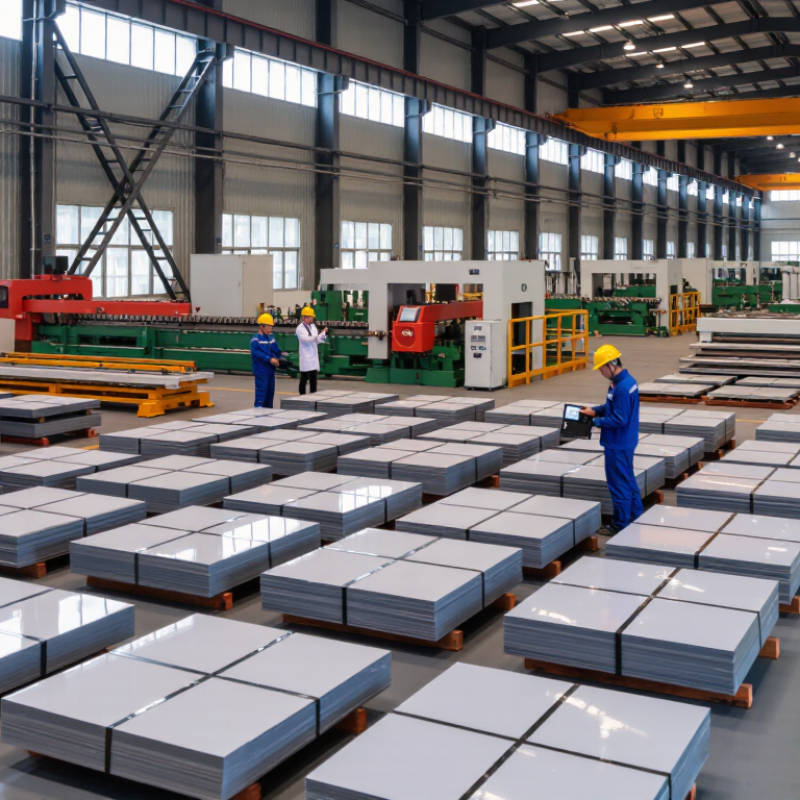
Table of Contents [Hide]
Define Your Steel Plate Requirements and Quality Standards
Choosing a reliable steel plate manufacturer starts with a precise definition of your requirements. Specify the steel grade, thickness, width, length, quantity, and intended application. A pressure vessel needs different performance from a construction platform.
Consider yield strength, tensile strength, impact toughness, weldability, and corrosion resistance. Temperature matters too. A plate used outdoors may face moisture, salt, and repeated temperature changes. Surface condition should be stated clearly, including rust limits, flatness, edge treatment, and allowable defects. Reference suitable standards, such as ASTM, EN, or ISO requirements, when applicable.
Quality documentation should be agreed before production begins. Request material test certificates, heat numbers, chemical analysis, mechanical test results, and dimensional inspection records. Traceability must connect each plate to its production batch. Ask whether independent inspection is available for critical orders.
Do not judge quality from certificates alone. Review the manufacturer’s sampling procedures, calibration records, nonconformance process, and packaging methods. Poor packaging can damage compliant steel during transport. A trial order may reveal more than a polished sales presentation.
Be careful with excessive specifications. Overdesign can increase cost without improving performance. I have seen purchasing teams request tight tolerances that their fabrication process could not measure consistently. That creates confusion, not quality.
Leave room for honest discussion. A dependable manufacturer should identify an unsuitable grade or unrealistic tolerance before production, even when that delays the order. Clear requirements make that judgment possible.

© Copyright - Pro Tool & Supply - Site by SVM E-Marketing Solutions - Sitemap
- Privacy policy